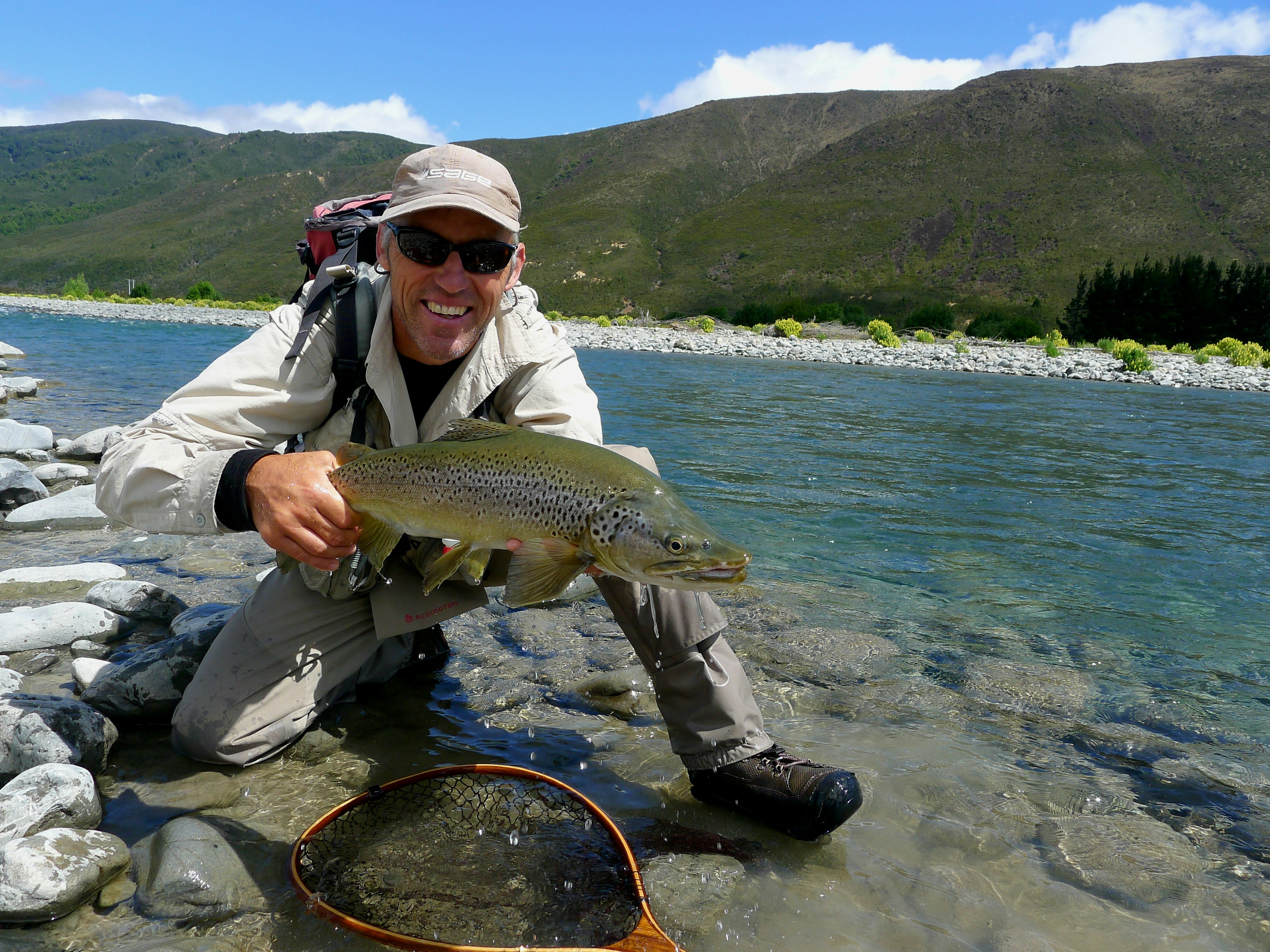
The Complete Guide to Fly Fishing for Trout (2026)
Estimated read time: 15 minutes
Trout are the heartbeat of fly fishing. More fly anglers pursue trout than any other species — and for good reason. They're beautiful, selective, challenging, and found in some of the most spectacular water on the planet. From high-altitude mountain streams to glacier-fed rivers and spring creeks, trout habitat is worth travelling for.
This guide goes beyond the basics. If you're new to fly fishing entirely, start with our Fly Fishing 101 beginner's guide first. If you've got the fundamentals and you're ready to specifically target trout — their behaviour, their habitat, their feeding patterns, and the techniques that consistently fool them — you're in the right place.
Table of Contents
- Understanding Trout Species
- Trout Habitat: Where They Live and Why
- How Trout Feed
- Reading Trout Water
- Gear for Trout Fly Fishing
- Fly Selection for Trout
- Core Trout Fly Fishing Techniques
- Matching the Hatch
- How Water Temperature Affects Trout
- Seasonal Trout Fishing Guide
- Approach and Presentation
- Handling and Releasing Trout
- Frequently Asked Questions
Understanding Trout Species
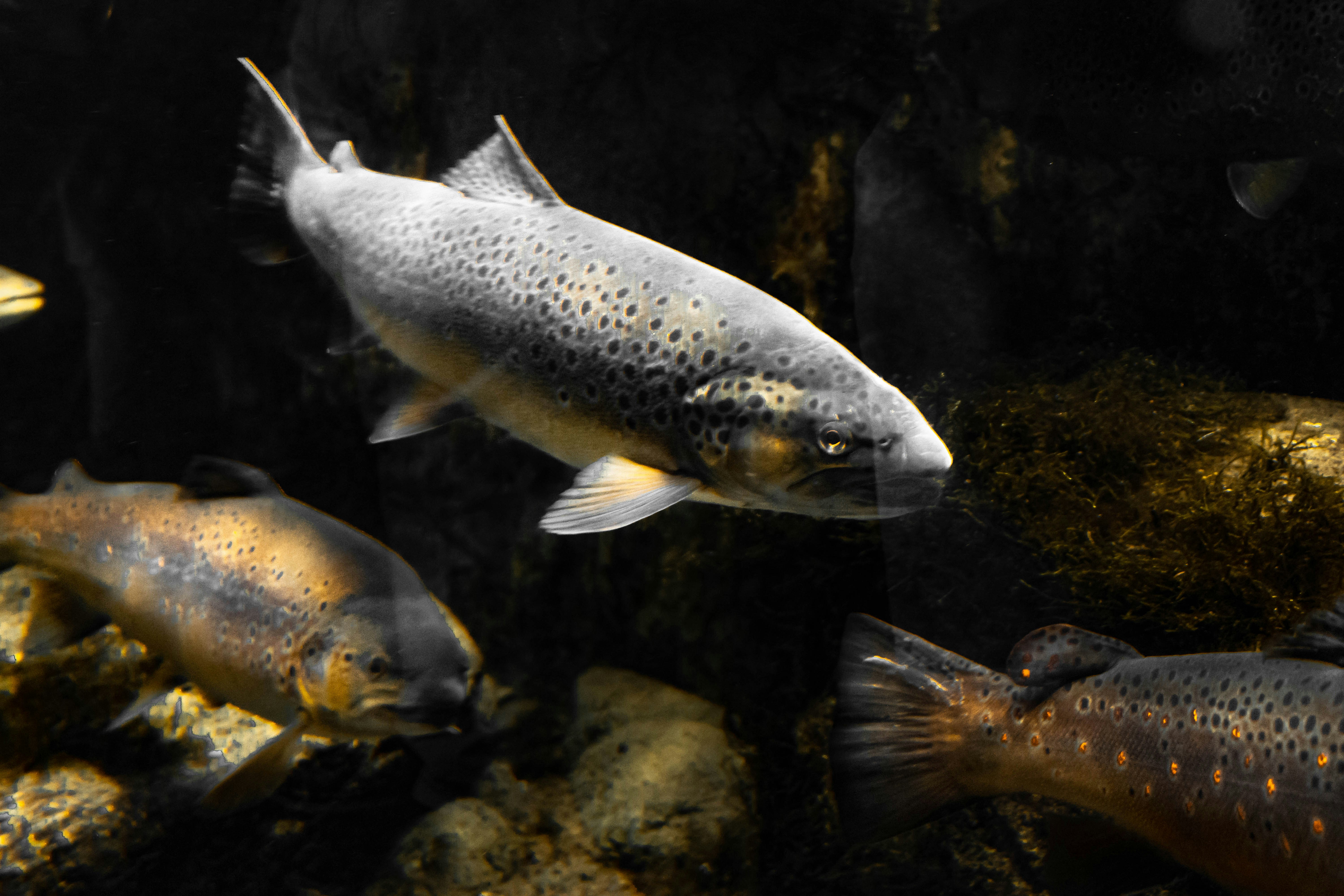
There are dozens of trout species worldwide, but four dominate fly fishing globally. Understanding their differences helps you target them more effectively.
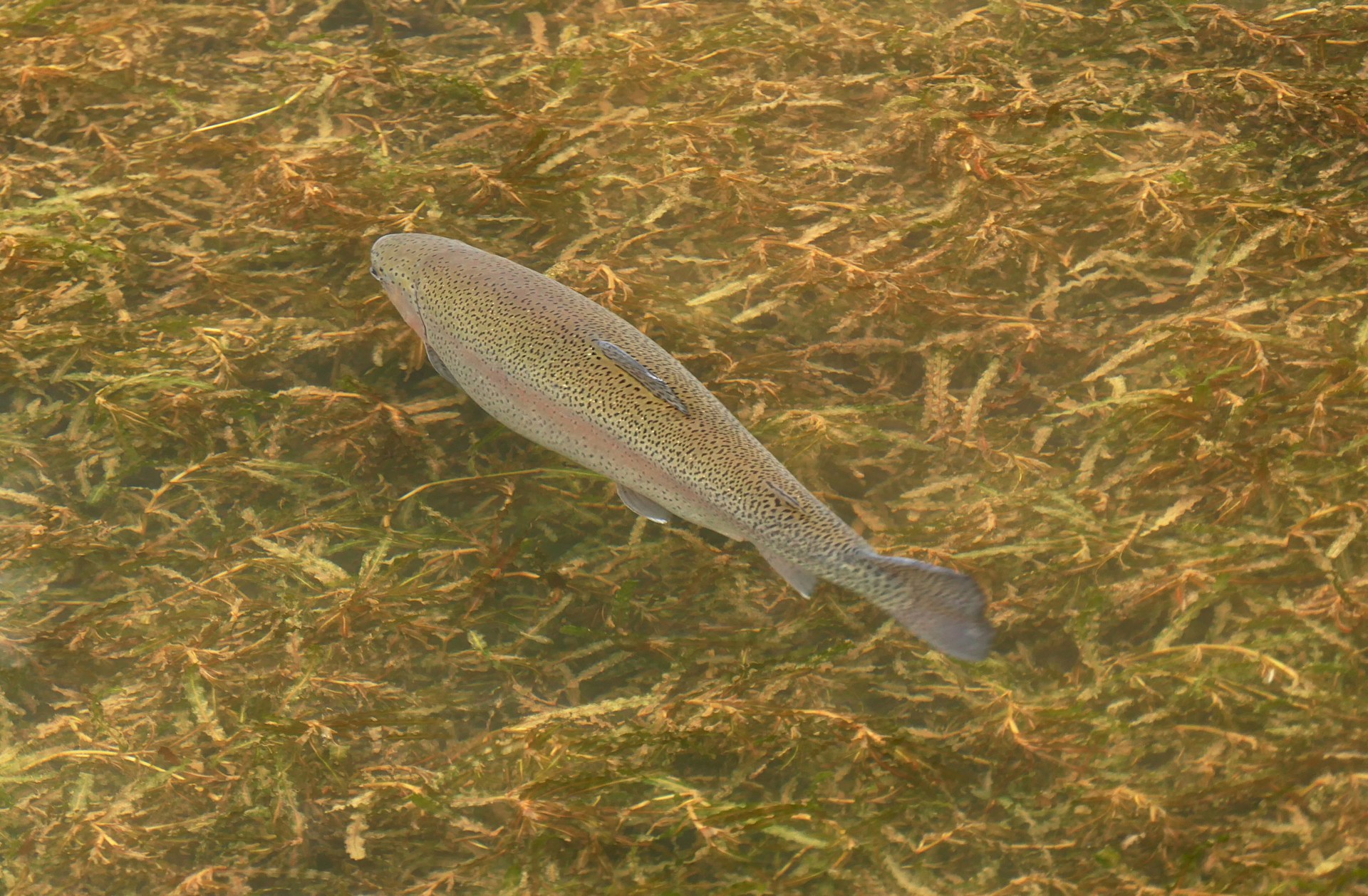
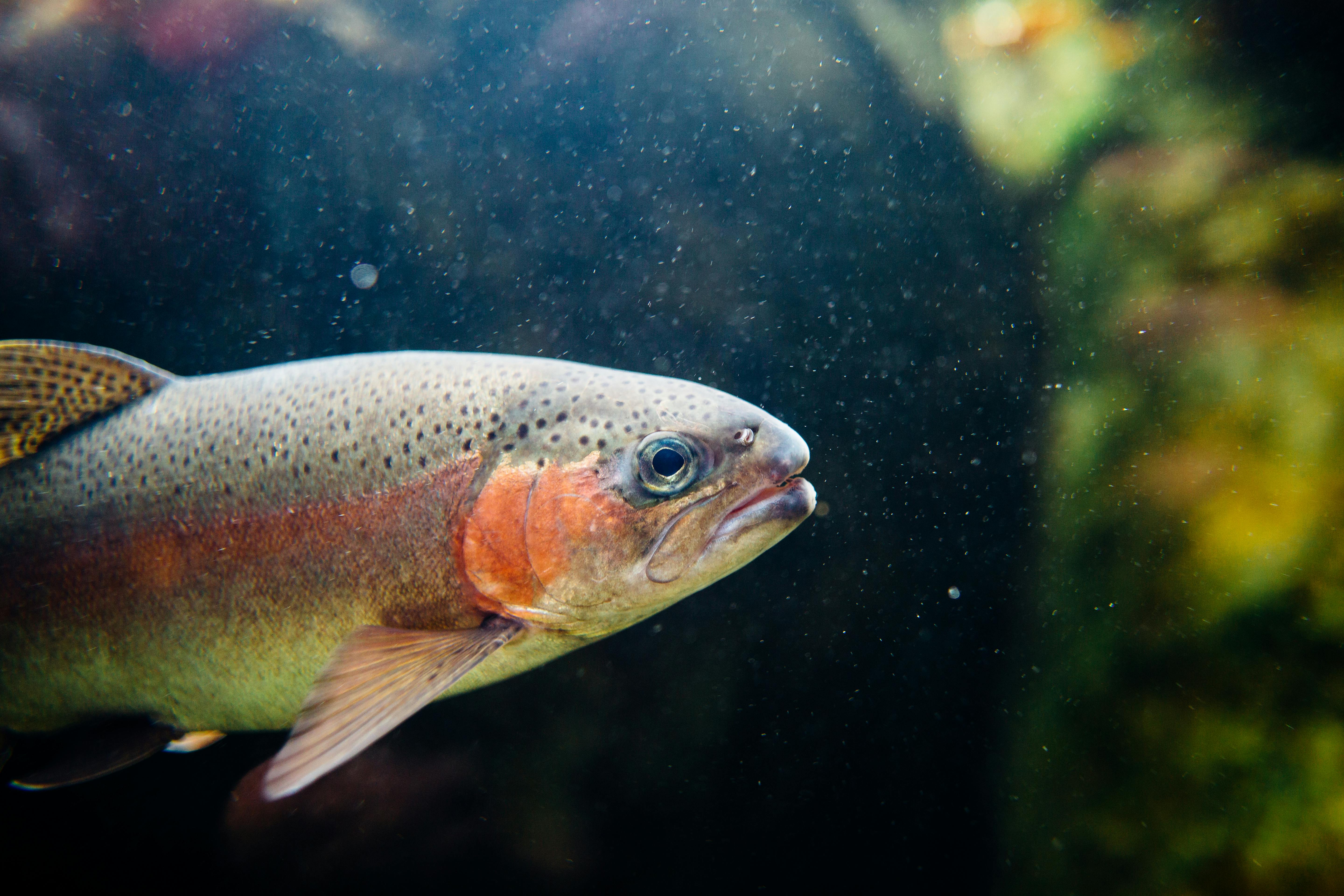
Rainbow Trout (Oncorhynchus mykiss)
The most widely distributed and commonly stocked trout in the world. Native to the Pacific coast of North America, rainbow trout have been introduced to cold-water fisheries on every continent except Antarctica. They're relatively aggressive feeders compared to other trout, willing to chase streamers and hit dry flies with conviction. Rainbows are acrobatic fighters — when hooked, they jump repeatedly, which is part of what makes them so exciting on a fly rod.
Where: rivers, streams, lakes, tailwaters worldwide Best flies: dry flies, nymphs, streamers — highly versatile Distinguishing feature: pink-to-red lateral stripe, black spots on tail
Brown Trout (Salmo trutta)
Originally from Europe and western Asia, brown trout have been introduced globally and are now one of the most sought-after fly fishing targets in the world. Browns are notoriously selective and wary — they live longer, grow larger, and are significantly harder to fool than rainbows. A large brown trout on a dry fly is one of fly fishing's ultimate achievements. They're predominantly nocturnal feeders as they age, with the biggest fish often taken on large streamers after dark.
Where: rivers, streams, and lakes across Europe, North America, Australasia, southern Africa Best flies: dry flies and nymphs for smaller fish; large streamers for trophy browns Distinguishing feature: golden-brown flanks with red and black spots, no spots on tail
Brook Trout (Salvelinus fontinalis)
Technically a char rather than a true trout, brook trout are native to eastern North America and are considered by many the most beautiful freshwater fish in the world — their vermiculated markings and red-spotted flanks are extraordinary. Brookies are less selective than browns, making them rewarding targets in remote, wild streams where they've had less fishing pressure. They require the coldest, cleanest water of any trout species, making them a good indicator of pristine habitat.
Where: cold mountain streams and lakes in eastern North America; introduced populations in parts of Europe, South America, and southern Africa Best flies: small dry flies, soft hackles, streamers Distinguishing feature: worm-like markings on back, red spots with blue halos
Lake Trout (Salvelinus namaycush)
Another char, lake trout are deep-water specialists found primarily in the large cold lakes of North America. They grow very large — fish over 20lbs are not uncommon — but their deep habitat makes them less accessible to fly anglers than stream trout. They're most catchable on the fly in spring and autumn when they move into shallower water.
Where: deep cold lakes of Canada and northern USA Best flies: large streamers retrieved near structure
Cutthroat Trout (Oncorhynchus clarkii)
Native to western North America, cutthroats are named for the distinctive red slash marks under their jaw. They're often found in remote, wild rivers and are generally less selective than browns — making them a joy to fish for in wilderness settings. Many subspecies exist, some of which are threatened or endangered.
Where: rivers and lakes of the Rocky Mountains and Pacific Northwest Best flies: dry flies, particularly attractor patterns; nymphs
Trout Habitat: Where They Live and Why
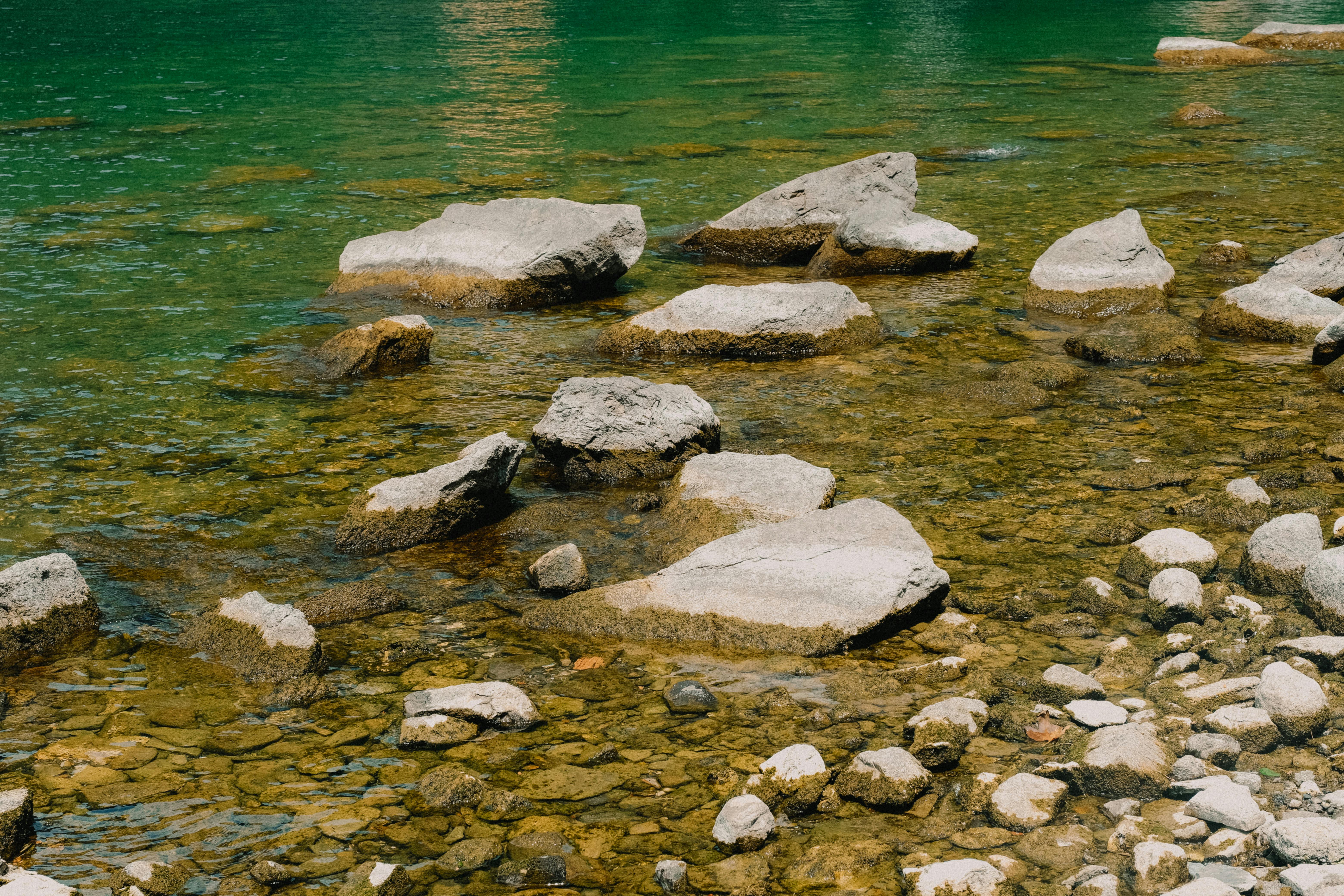
Trout are cold-water fish. They require well-oxygenated water, generally below 18°C (65°F), and are most active and comfortable between 10–16°C (50–61°F). Understanding this shapes every decision you make about when and where to fish.
Freestone Streams
Fed by rainfall and snowmelt, freestone streams are the classic trout habitat — rocky, fast-flowing, and variable. Water levels and temperatures fluctuate with the seasons. Insect hatches follow predictable cycles tied to water temperature and season. Trout in freestone streams tend to hold in specific lies, conserving energy while waiting for food to drift to them.
Spring Creeks and Chalk Streams
Fed by groundwater rather than surface runoff, spring creeks maintain remarkably consistent temperatures and flow year-round. The water is usually crystal clear and rich in aquatic invertebrates, which means abundant food — and highly selective, well-fed trout. Spring creeks and their European equivalent, chalk streams (like those in southern England), are considered the most demanding and prestigious trout fishing in the world. Presentation must be near-perfect.
Tailwaters
Rivers flowing below large dams are known as tailwaters. The cold, consistent releases from the dam's depths create year-round trout habitat in what might otherwise be too-warm water. Tailwaters often hold extraordinary numbers of large trout but can be challenging to fish due to fluctuating flows controlled by dam releases.
Lakes and Reservoirs
Still-water trout fishing requires a fundamentally different approach. Without current to bring food to them, trout in lakes cruise and actively hunt. Early morning and evening are the most productive times, particularly near drop-offs, inlet streams, and windward shores where food accumulates.
How Trout Feed
Trout are opportunistic but selective feeders. Understanding their feeding behaviour is central to catching them consistently.
The Drift
In moving water, trout typically hold in a current break and let food drift to them. They have a narrow feeding window — a small area directly in front of their position where they'll intercept food with minimal effort. Your fly needs to drift naturally through that window. Any unnatural drag will usually result in a refusal.
Feeding Lanes
In most rivers there are identifiable feeding lanes — channels of current that concentrate drifting insects. Trout station themselves at the head of these lanes. Learning to identify feeding lanes from the surface disturbance they create — often a slight slick or colour change — is a key skill.
Rise Forms
When trout are feeding on the surface, the rise form tells you a lot about what they're eating:
- Sipping, barely-visible rings — feeding on small emergers or spinners flush in the film. Requires fine tippet and precise presentation.
- Head-and-tail rise — the fish's nose, dorsal, and tail break the surface in sequence. Classic dry fly rise, usually taking mayfly duns.
- Splashy, aggressive rise — chasing caddis or other fast-moving insects. Fish are less selective in this mode.
- Bulging without breaking the surface — feeding on nymphs just below the film. A dry fly won't work here — use an emerger or shallow nymph.
Sub-surface Feeding
Trout feed subsurface the vast majority of the time — estimates suggest 80–90% of a trout's diet is taken underwater. This is why nymphing is so consistently productive even when no surface activity is visible.
Reading Trout Water
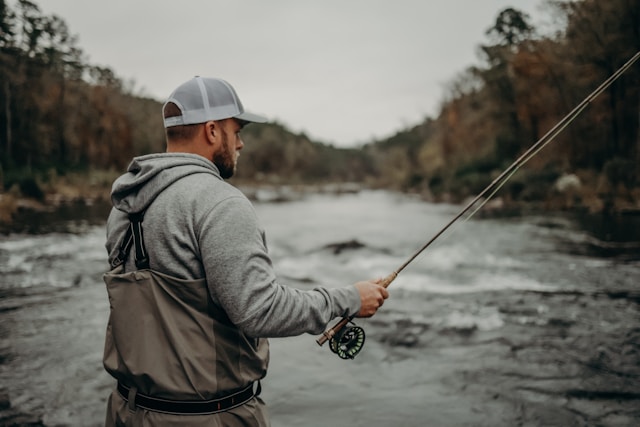
The ability to look at a stretch of river and identify where trout are likely to be is one of the most valuable skills in fly fishing. It develops with time on the water, but there are reliable principles.
Prime Lies
Trout balance two competing needs: access to food and minimal energy expenditure. The best lies satisfy both — a current break that provides shelter from flow, positioned near a feeding lane that delivers a steady supply of food.
Classic lies to target:
- The seam between fast and slow water — food concentrates here
- Behind large boulders or submerged rocks — current shadow with a front-row seat to the drift
- Undercut banks — shelter, shade, and terrestrial insects falling from above
- Pool heads — oxygenated water and heavy food delivery
- Pool tails — glassy, shallow water where trout feed confidently (and spook easily)
- Confluence points — where two currents meet and food collects
Depth and Visibility
In clear, shallow water trout are more vulnerable to predators and tend to be warier. They'll often seek deeper water or holding lies under overhanging vegetation. In deeper pools, especially in high summer when surface temperatures rise, large fish retreat to depth and become less catchable on conventional methods.
→ Deep dive: Mastering the Art of Reading a Trout River: A Fly Fishing Guide
Gear for Trout Fly Fishing
The 5-weight 9-foot setup recommended for beginners will handle the vast majority of trout fishing scenarios. As you develop, you'll likely want to add more specialised rods for specific applications.
Rod Selection by Application
| Application | Rod Weight | Length | Notes |
|---|---|---|---|
| Small streams, tight quarters | 2–4 weight | 7–8.5ft | Short rod for accuracy under canopy |
| General river trout | 5 weight | 9ft | The all-rounder |
| Spring creeks, technical fishing | 4–5 weight | 9–10ft | Longer for reach and mending |
| Stillwater | 5–7 weight | 9–10ft | Extra power for distance |
| Streamer fishing | 6–8 weight | 9ft | Handle larger flies and sink tips |
Fly Lines for Trout
- Weight-forward floating — covers 90% of trout fishing. Non-negotiable to own.
- Intermediate — sinks slowly, ideal for stillwater and streamer work just below the surface
- Sink tip — floating line with a sinking front section, excellent for deep nymphing and streamers in fast water
- Dry fly line — some lines are specifically designed for delicate presentations; worth it if you fish spring creeks regularly
Tippet for Trout
Tippet selection has a real impact on catch rates, particularly in pressured or clear water. As a general guide:
- 3X (0.20mm) — heavy nymphs and streamers, streamer fishing
- 4X (0.17mm) — general nymphing, larger dry flies (size 10–14)
- 5X (0.15mm) — most dry fly and nymph situations (size 14–18)
- 6X (0.13mm) — small dry flies on selective fish (size 18–22)
- 7X (0.10mm) — ultra-fine for the smallest midges; requires careful playing of fish
Fluorocarbon tippet is less visible underwater and sinks faster than nylon mono — worth the extra cost for most trout applications. Use nylon for dry flies where you want the tippet to float.
Fly Selection for Trout
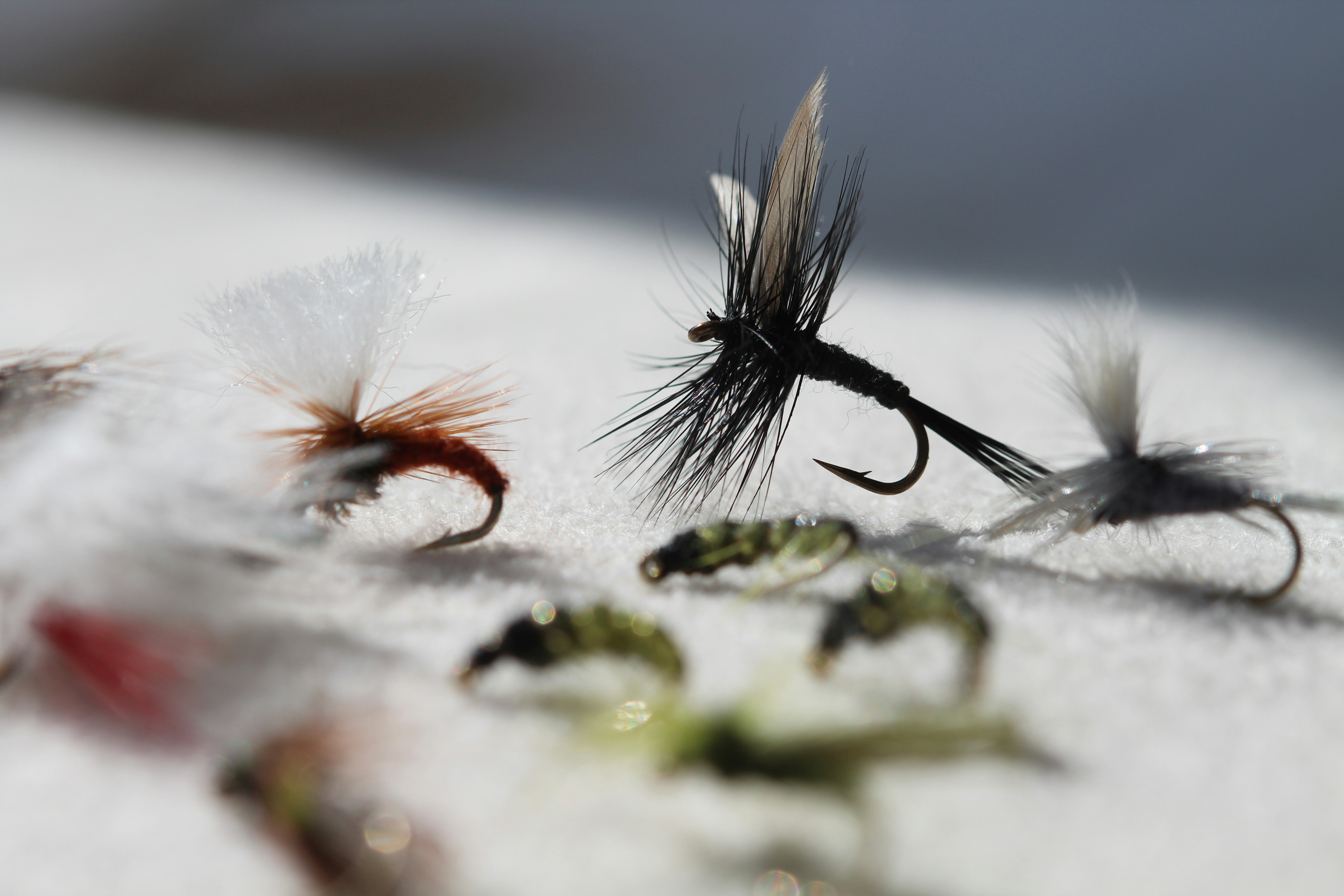
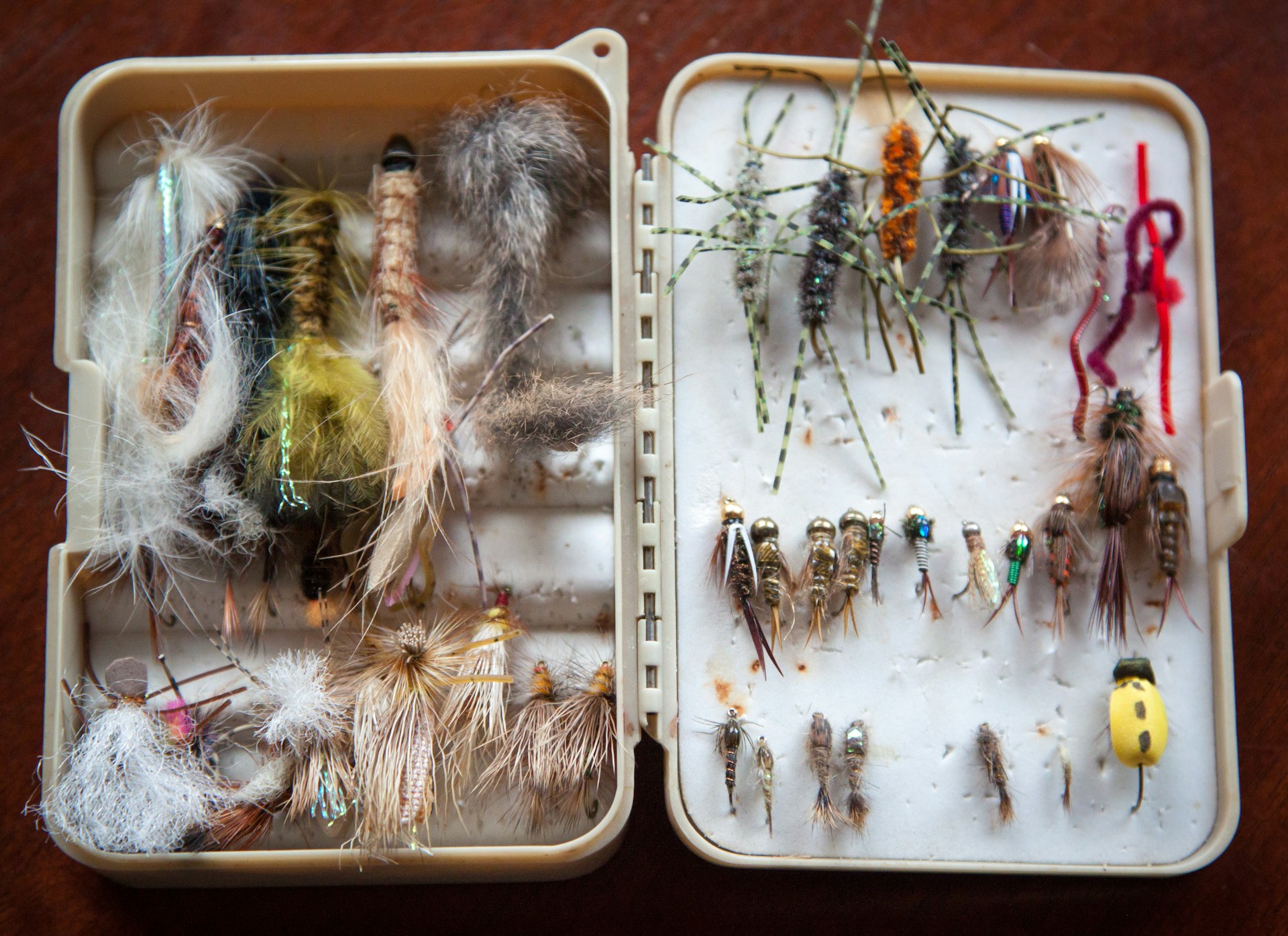
Trout fly selection is a deep rabbit hole, but it doesn't need to be overwhelming. A relatively small box of well-chosen patterns will cover most situations you'll encounter.
Essential Dry Flies
Parachute Adams — the universal attractor dry fly. Imitates a wide range of mayfly species. Size 12–18 covers most situations. If you could only carry one dry fly, this is it.
Elk Hair Caddis — an excellent caddis imitation and general attractor. The deer hair wing is highly visible and floats well even in rough water. Size 12–16.
Griffith's Gnat — a midge cluster imitation. Essential for spring creeks and tailwaters where midge hatches dominate. Size 18–22.
Pale Morning Dun (PMD) — one of the most important mayfly hatches in the world. A well-tied PMD parachute during a hatch is devastating. Size 16–18.
Royal Wulff — a classic attractor pattern with a visible white wing. Great for broken water where visibility is low. Size 10–14.
Essential Nymphs
Hare's Ear — arguably the most universally effective nymph ever tied. Imitates a wide range of aquatic invertebrates. Carry it in beadhead and non-beadhead versions, size 12–16.
Pheasant Tail — a slim, realistic nymph that imitates mayfly nymphs exceptionally well. The beadhead version is a go-to for most river trout. Size 14–18.
Prince Nymph — an attractor nymph with white biots and peacock herl. Hard to classify as an imitation of anything specific, which is possibly why it works so well. Size 12–16.
Zebra Midge — a simple, effective midge pupa imitation for stillwater and tailwaters. Size 18–22.
San Juan Worm — a worm imitation that many traditionalists sniff at, but it catches fish. Especially effective after rain when worms wash into rivers. Size 12–14.
Essential Streamers
Woolly Bugger — the universal streamer. Black, olive, and white are the essential colours. Size 4–10. No streamer box is complete without a selection of Woolly Buggers.
Muddler Minnow — imitates sculpin and small baitfish. Deer hair head pushes water and creates vibration. Excellent for large browns in autumn. Size 4–8.
Clouser Minnow — dumbbell eyes give it a jigging action. Highly effective in stillwater and larger rivers. Size 4–8.
→ Deep dive: 10 Essential Flies Every Beginner Fly Fisher Should Have
→ Also see: The Fly Fisher's Guide to Fly Types: Mastering the Essentials
Core Trout Fly Fishing Techniques
Dry Fly Fishing
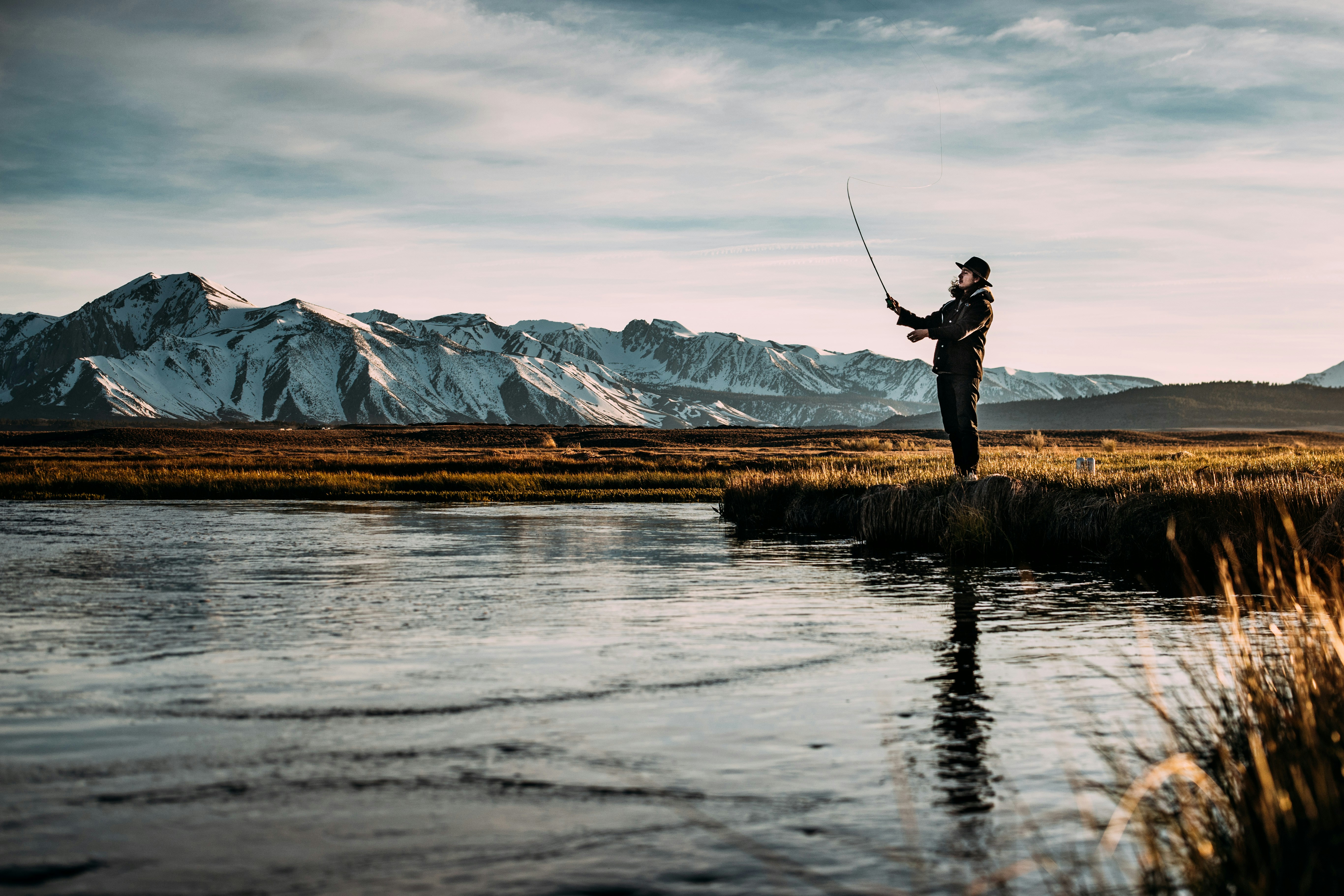
Dry fly fishing is fly fishing at its most visual and most satisfying. You're presenting a floating fly on the surface to a fish you can often see — and watching the take in real time.
The key challenge is drag-free drift. Current differentials between your fly line, leader, and fly will cause the fly to skate unnaturally — a phenomenon trout recognise and refuse. Managing drag requires accurate casting to avoid multiple current speeds between you and your fly, proactive line mending after the cast, and sometimes reaching or stacking the cast to buy extra drift time.
The upstream presentation is the standard approach for dry fly fishing: cast upstream and slightly across, then follow the drift with your rod tip as the fly comes back toward you. Strike on the rise by lifting the rod firmly but not aggressively — a sharp wrist lift is usually sufficient.
→ Deep dive: Mastering Dry Fly Fishing: A Beginner's Guide
Nymphing
Since trout feed sub-surface the majority of the time, nymphing is the most consistently productive technique in most river situations. The challenge is detecting the subtle take — a nymph drifting underwater produces no visible surface strike.
Indicator nymphing is the most accessible method: attach a strike indicator (a small float) to your leader at a depth roughly 1.5x the water depth, and watch for any pause, twitch, or movement of the indicator. Strike immediately and firmly — takes can be very subtle.
Euro nymphing (Czech, Polish, French nymphing) is a more advanced technique that uses heavier flies, no indicator, and a tight-line connection to detect takes directly through the rod tip. It's extraordinarily effective in the right conditions but has a steeper learning curve.
→ Deep dive: Mastering Nymphing: A Beginner's Guide to Effective Subsurface Fly Fishing
Streamer Fishing
Streamers imitate baitfish, leeches, and other large food items. They're retrieved actively rather than drifted, and they target predatory instinct rather than selective feeding behaviour. Streamer fishing is less technical than dry fly or nymphing but produces the biggest fish.
The classic approach is to cast across and slightly downstream, then retrieve with short strips as the fly swings across the current. Vary your retrieve speed and pattern — sometimes a slow, pulsing retrieve triggers fish that ignore a faster strip.
Streamer fishing really comes into its own in autumn when large brown trout are aggressive and actively feeding ahead of the spawn, and in high, coloured water when visibility is low and fish are less likely to see a small fly.
→ Deep dive: Unleash the Power of Streamers: A Beginner's Guide
🎣 Know your water before you fish it. Logging temperature, conditions, and fly selection over multiple sessions on the same water reveals patterns that are impossible to see in real time — which hatches occur at what temperatures, which lies produce fish in high vs low water, what flies work in autumn vs spring. Start logging your trout sessions on Flyloops →
Matching the Hatch
"Matching the hatch" refers to selecting a fly that imitates the specific insect that trout are currently feeding on. When a major hatch is underway and fish are keyed in on a specific insect, presenting anything that doesn't closely match it in size, profile, and colour will usually be ignored.
The Major Hatches
Mayflies (Ephemeroptera) — the most important aquatic insect for dry fly fishing. Mayflies hatch in enormous numbers during spring and summer, triggering some of the most exciting surface feeding of the year. The hatch typically lasts 1–3 hours and produces fish rising rhythmically in feeding lanes. Key species to know: Pale Morning Dun, Blue Winged Olive, Hendrickson, March Brown.
Caddisflies (Trichoptera) — caddis hatches are often more chaotic than mayfly hatches — adults skitter across the surface on emergence, triggering splashy, aggressive rises. An Elk Hair Caddis or X-Caddis fished with the occasional twitch often works better than a dead drift.
Stoneflies (Plecoptera) — large stoneflies (salmonflies, golden stones) produce some of the most dramatic dry fly fishing of the season, particularly in western North America. The adults are large enough that fish will move considerable distances to eat them.
Midges (Chironomidae) — often overlooked, midges are present and hatching on virtually every trout fishery every day of the year. In winter and on tailwaters, midge fishing with tiny flies (size 18–24) on fine tippet is often the only game in town.
Terrestrials — land-based insects that fall onto the water: grasshoppers, ants, beetles, cicadas. Terrestrial patterns are most effective in summer and early autumn, particularly on windy days when insects are blown onto the water. Fish near undercut banks and grassy edges.
A Practical Matching Approach
You don't need to be an entomologist to match the hatch effectively. When you see trout rising, do this:
- Observe for a minute before casting — watch the rise forms and look for insects on the water
- Try to capture a natural in your hand or with a small net
- Note the size (most important), colour, and wing profile
- Select the closest match from your box and start with size — a fly one size too small is usually better than one size too large
How Water Temperature Affects Trout
Water temperature is arguably the single most important variable in trout fishing. It governs feeding activity, metabolism, holding position, and vulnerability to stress during catch-and-release.
Below 4°C (40°F): Trout are cold and sluggish. Metabolism is very slow, feeding is minimal. Fish hold in the deepest, slowest water. Nymphs fished very slowly near the bottom are the most effective approach.
4–10°C (40–50°F): Feeding begins to pick up. Fish start moving to shallower feeding lies. Nymphing remains most productive, but dry fly activity is possible on warm afternoons.
10–16°C (50–61°F): The sweet spot. Trout are actively feeding, hatches are occurring, and fish are distributed throughout the water column. All techniques are effective. This is prime trout fishing.
16–18°C (61–65°F): Fish become more selective and move to cooler, oxygenated water — near springs, in riffles, at depth. Early morning and evening produce best.
Above 18°C (65°F): Trout are heat-stressed. Feeding reduces significantly. In prolonged hot weather, consider not fishing at all — playing and handling a heat-stressed trout can kill it even with perfect catch-and-release technique.
Carry a stream thermometer. It takes seconds to check and tells you more about the day's fishing than almost any other single piece of information.
→ Deep dive: Mastering Trout Behavior: How Water Temperature Affects Your Fly Fishing Success
Seasonal Trout Fishing Guide
Spring
Spring is the season of renewal — snowmelt fills rivers, water temperatures rise through the prime feeding range, and some of the year's first major hatches begin. Blue Winged Olives typically hatch in early spring, often on overcast, drizzly days. Nymphing in higher, slightly coloured water can be very productive as fish feed aggressively after a lean winter.
Key tactics: nymphing in runs and pocket water; watch for BWO hatches on grey afternoons
Summer
Summer brings the year's most diverse hatches — PMDs, caddis, golden stoneflies, and terrestrials. Early morning and evening are the most productive windows as midday temperatures push fish off the feed. Dry fly fishing reaches its peak in early summer before temperatures climb.
Key tactics: dry fly during morning and evening; terrestrials near banks in afternoon; streamer fishing in low light
Autumn
Many experienced anglers consider autumn the best season. Water temperatures drop back into the prime range, brown trout become aggressive ahead of the spawn, and large fish that have been elusive all summer start making mistakes. Streamer fishing for big browns is at its annual peak.
Key tactics: large streamers for brown trout; hopper-dropper rigs in early autumn; watch for Baetis hatches on cool afternoons
Winter
Winter fly fishing is a quieter, more meditative pursuit. Midge hatches are the primary food source on most rivers. Fish concentrate in deeper, slower water. The crowds are gone. On mild afternoons, Blue Winged Olive hatches can produce surprisingly good dry fly fishing.
Key tactics: small midges (size 20–24) fished slowly near the bottom; BWO dries on mild afternoons; tailwaters are most productive
Approach and Presentation
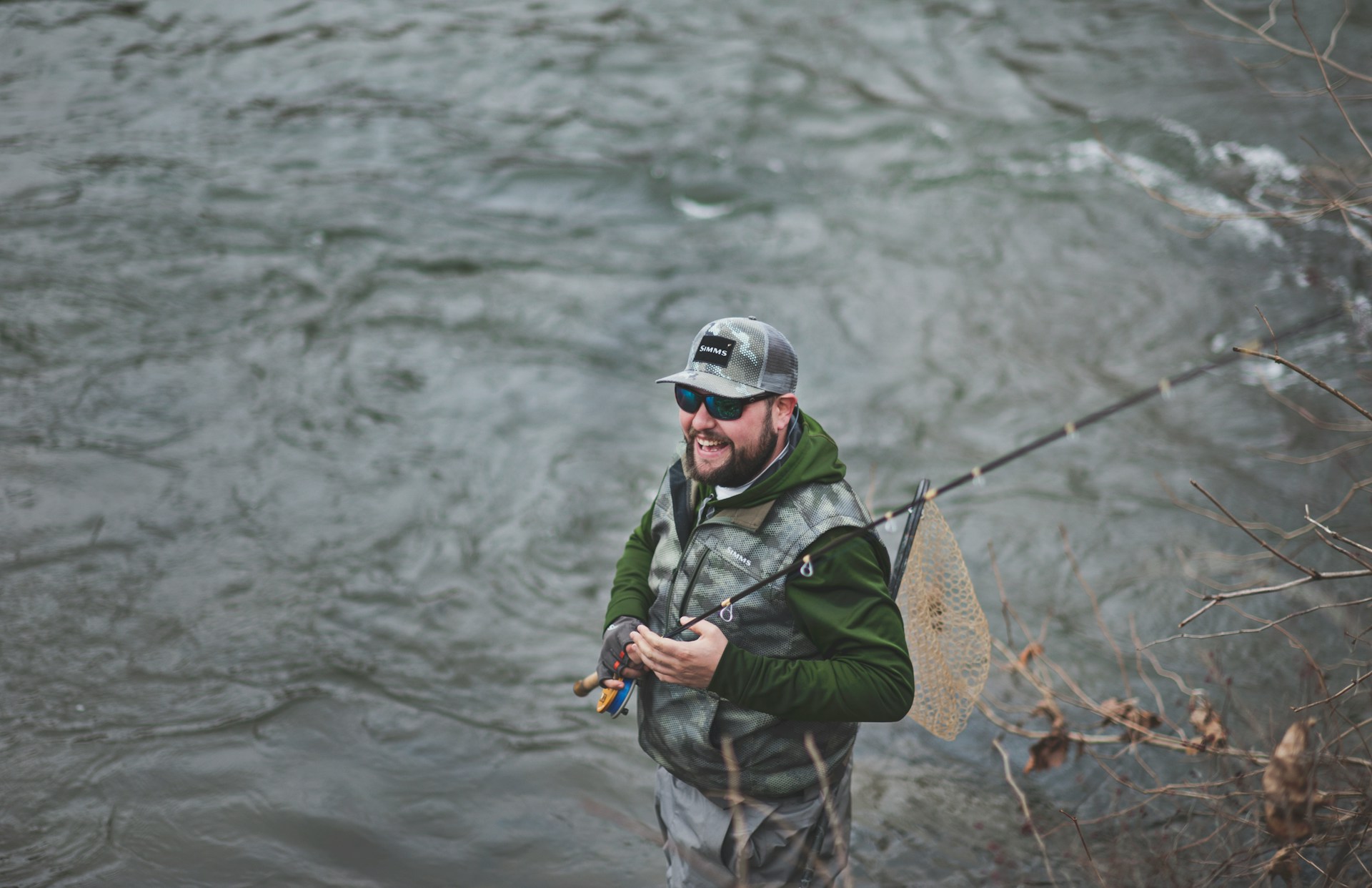
Catching trout consistently is as much about how you approach the water as it is about your fly selection.
Stealth
Trout have excellent vision, particularly for movement and silhouette above the water. They can detect vibrations through the water from heavy footsteps on the bank. Approaching carelessly will put fish down before you've made a cast.
- Wade slowly and deliberately, minimising disturbance
- Stay low, especially when approaching fish in shallow water
- Use bankside vegetation as cover where possible
- Approach from downstream — trout face into the current and are naturally less aware of threats from behind
Presentation Distance
Many beginners try to cast too far. A well-presented fly at 8 metres will catch more fish than a sloppy cast at 15 metres. Work the close water first — there are often fish right at your feet that get spooked by anglers walking past to reach the far bank.
The First Cast
In technical fishing — spring creeks, spooky fish in clear water — the first cast to a rising fish is often your best chance. Subsequent casts over the same fish gradually increase its wariness. Make your first cast count: get the right fly on, the right length of tippet, and place it accurately before you start.
Handling and Releasing Trout
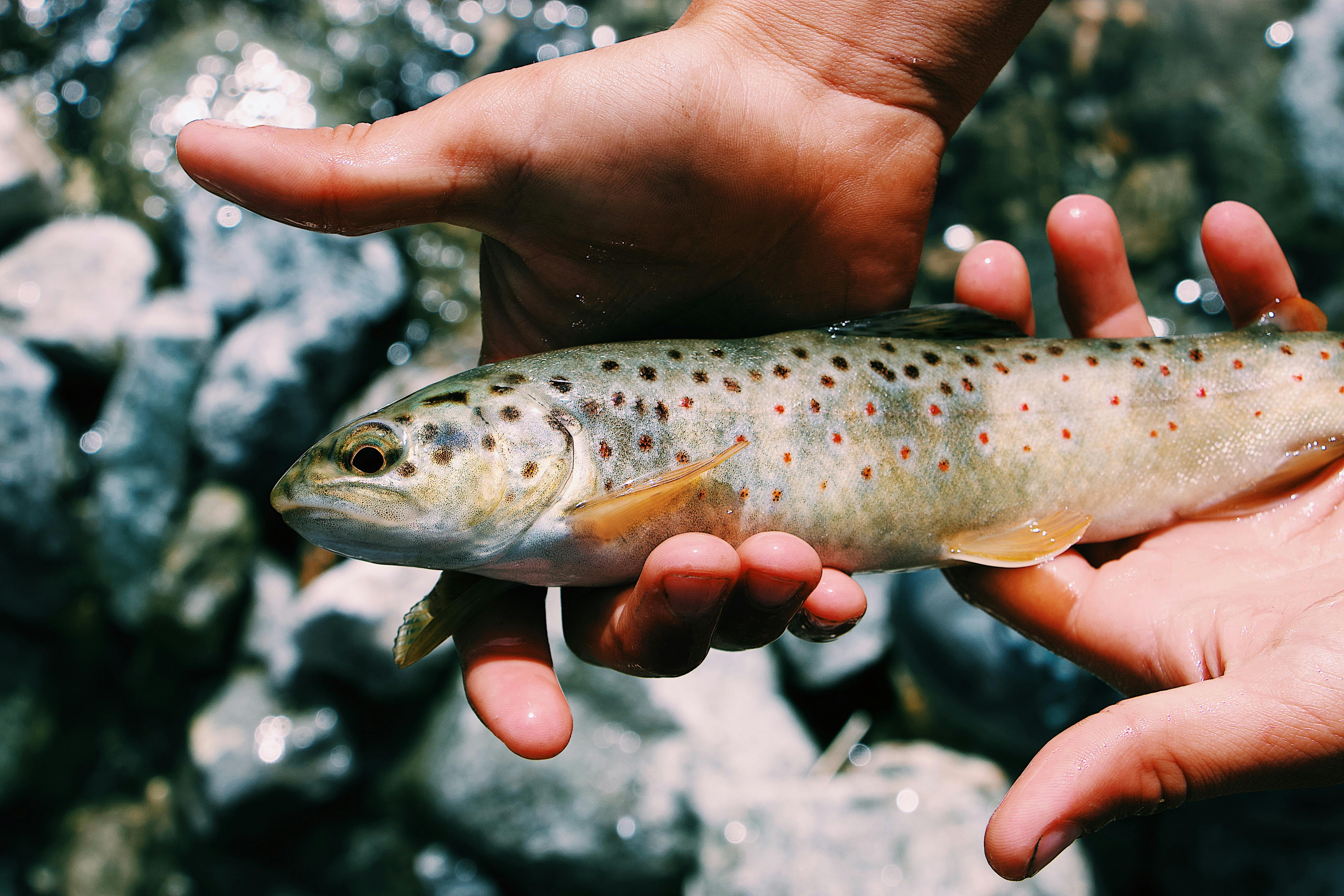
Trout are beautiful, fragile creatures. Handling them well is both an ethical obligation and a practical one — healthy fish populations mean better fishing for everyone.
Before the Net
Play fish firmly but not brutally. An exhausted fish is harder to revive. Use appropriate tippet strength for the size of fish you're targeting — playing a large fish on 6X for ten minutes to avoid breaking off does more harm than losing the fish to a quick break.
In the Net
A rubber mesh net is far gentler than nylon. Keep the fish in the water in the net as much as possible. Avoid lifting the net completely out of the water for more than a few seconds.
Handling
- Wet your hands before touching the fish
- Support the fish horizontally with both hands — never hold it vertically by the jaw
- Minimise time out of the water — target under 30 seconds including photos
- Avoid touching the gills
Reviving and Releasing
Hold the fish gently in the current facing upstream. Support it until it's recovered and kicks away under its own power. In warm water or after a long fight, this can take several minutes. Be patient.
In water above 18°C, consider whether it's worth fishing at all — heat-stressed trout have reduced survival rates even with textbook catch-and-release.
→ Deep dive: Mastering Catch and Release: Protect the Fishery, Revive the Fish
🎣 Build a picture of your trout water over time. The anglers who consistently catch the most fish aren't the ones with the best gear — they're the ones who know their water intimately. Logging water temperature, conditions, fly selection, and catch data on Flyloops builds that picture session by session. After a full season of data, you'll have a personalised guide to your home water that no book can provide. Create your free account →
Frequently Asked Questions
What is the best fly for trout? If pressed to choose one fly, most experienced trout anglers would say the Parachute Adams dry fly or the Hare's Ear nymph — both are universal imitators that catch trout in rivers worldwide. That said, "best fly" is highly context-dependent: matching local hatches and conditions will always outperform a universal pattern in the right situation.
What size fly is best for trout? Most trout fishing is done with flies in the size 12–18 range. Size 14–16 covers the majority of everyday situations. Go smaller (18–22) for selective fish on spring creeks or during midge hatches; go larger (6–10) for streamers targeting big fish.
What time of day is best for trout fishing? Early morning and evening are consistently the most productive periods, particularly in summer when midday temperatures push fish off the feed. The first two hours after dawn and the last two before dark are prime. However, hatch activity — which doesn't always coincide with low light — can override this rule entirely.
What water temperature is best for trout fishing? The prime range is 10–16°C (50–61°F). In this range, trout are actively feeding, hatches are occurring regularly, and fish are distributed throughout the water column. Below 4°C and above 18°C, both fishing success and fish welfare decline significantly.
How do I know what fly to use for trout? Observe before you fish. Look for rising fish and try to identify what they're eating. If no surface activity is visible, start with a versatile nymph like a Hare's Ear or Pheasant Tail in the most common size for your water (usually 14–16). When in doubt, ask at the local fly shop — they'll know what's hatching.
What is the difference between rainbow and brown trout on the fly? Rainbows are generally more aggressive and less selective — they're more willing to chase streamers and commit to a fly. Browns are warier, more selective, and tend to rise and feed in more predictable, studied patterns. Big browns are harder to fool but are often the most prized catch. The techniques for both overlap significantly, but browns reward more careful observation and presentation.
Can you fly fish for trout in a lake? Absolutely. Stillwater trout fishing is a significant discipline in its own right. Fish cruise rather than hold, so covering water with retrieved streamers or suspending nymphs under an indicator are the primary approaches. Early morning and evening near inlet streams, drop-offs, and windward shores are the most productive locations.
What tippet strength should I use for trout? For most trout fishing, 5X (0.15mm) fluorocarbon is a reliable starting point. Drop to 6X or 7X for selective fish on very clear water or small flies. Go up to 4X or 3X for streamers or when targeting larger fish in fast water where break-offs are a concern.
Ready to start building a picture of your trout water? Log your sessions on Flyloops — track flies, conditions, water temperature, and catch data across every outing.