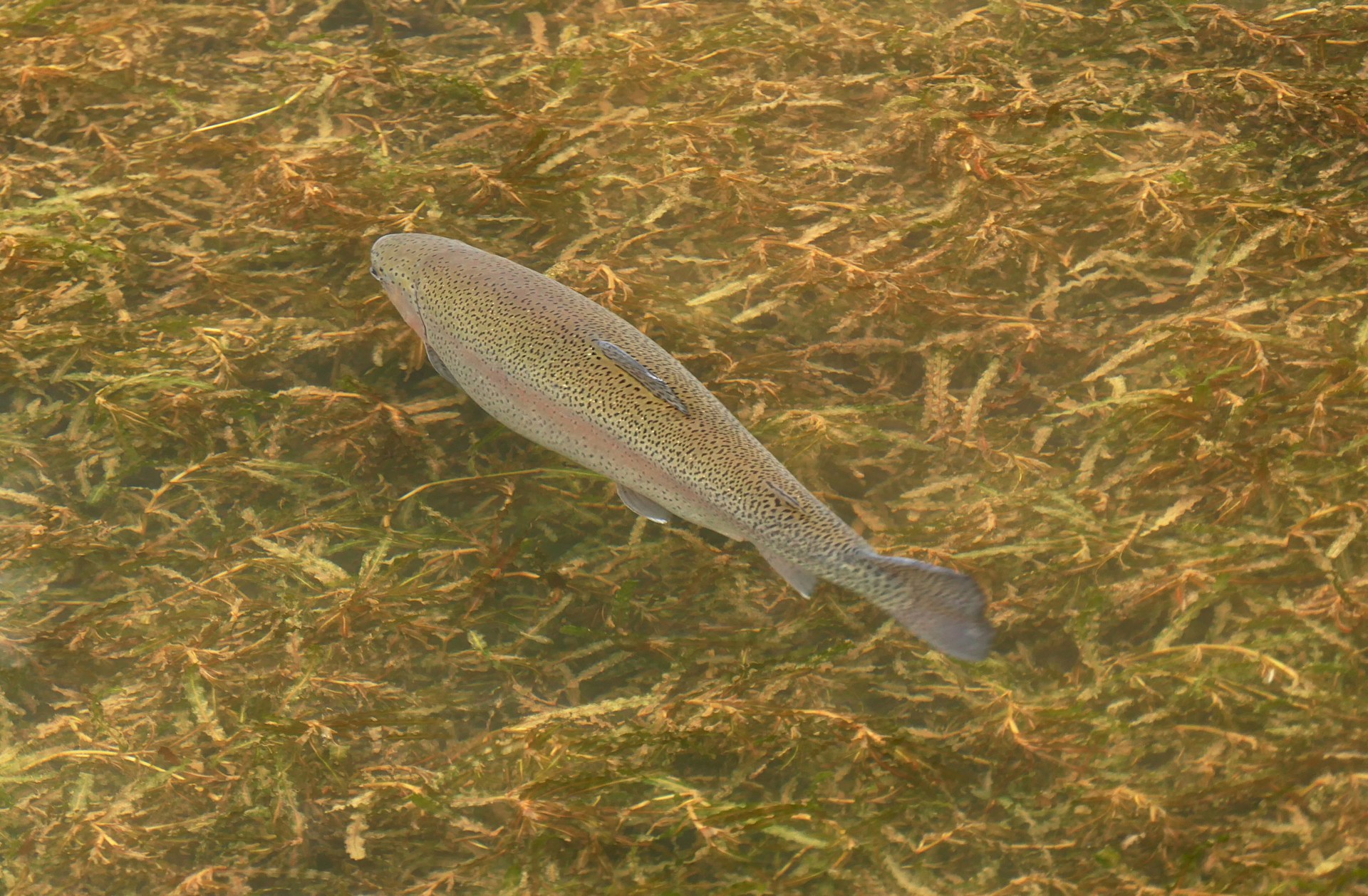
Catch and Release: Protect the Fishery, Revive the Fish
Catch and release fishing is an essential practice for any responsible angler who wants to preserve thriving, healthy fish populations. By learning the proper techniques to handle, revive, and release fish unharmed, you can help sustain our cherished fisheries for years to come. In this guide, we'll cover the key principles and steps to master catch and release and keep those fish swimming strong.
Why Catch and Release Matters
Conserve Fish Populations: With growing fishing pressure on many rivers, lakes, and streams, catch and release is crucial to maintain sustainable fish populations. By quickly returning most of your catch, you help ensure these waters continue to provide excellent angling opportunities for years to come.
Protect the Resource: Many fish species, especially trout, are highly vulnerable to the stress of being caught. Improper handling can severely weaken or even kill them, even if they are released. Mastering catch and release techniques protects the overall health of the fishery.
Handling Fish with Care
The key to successful catch and release is minimizing the fish's exposure to air and physical handling. Here are some best practices:
- Use Barbless Hooks: Barbless hooks are easier to remove and cause less tissue damage.
- Avoid Removing the Fish from the Water: If possible, try to unhook the fish while it's still in the water. This reduces stress and the risk of injury.
- Handle with Wet Hands: Dry hands can remove the fish's protective slime coating, so always wet your hands before handling.
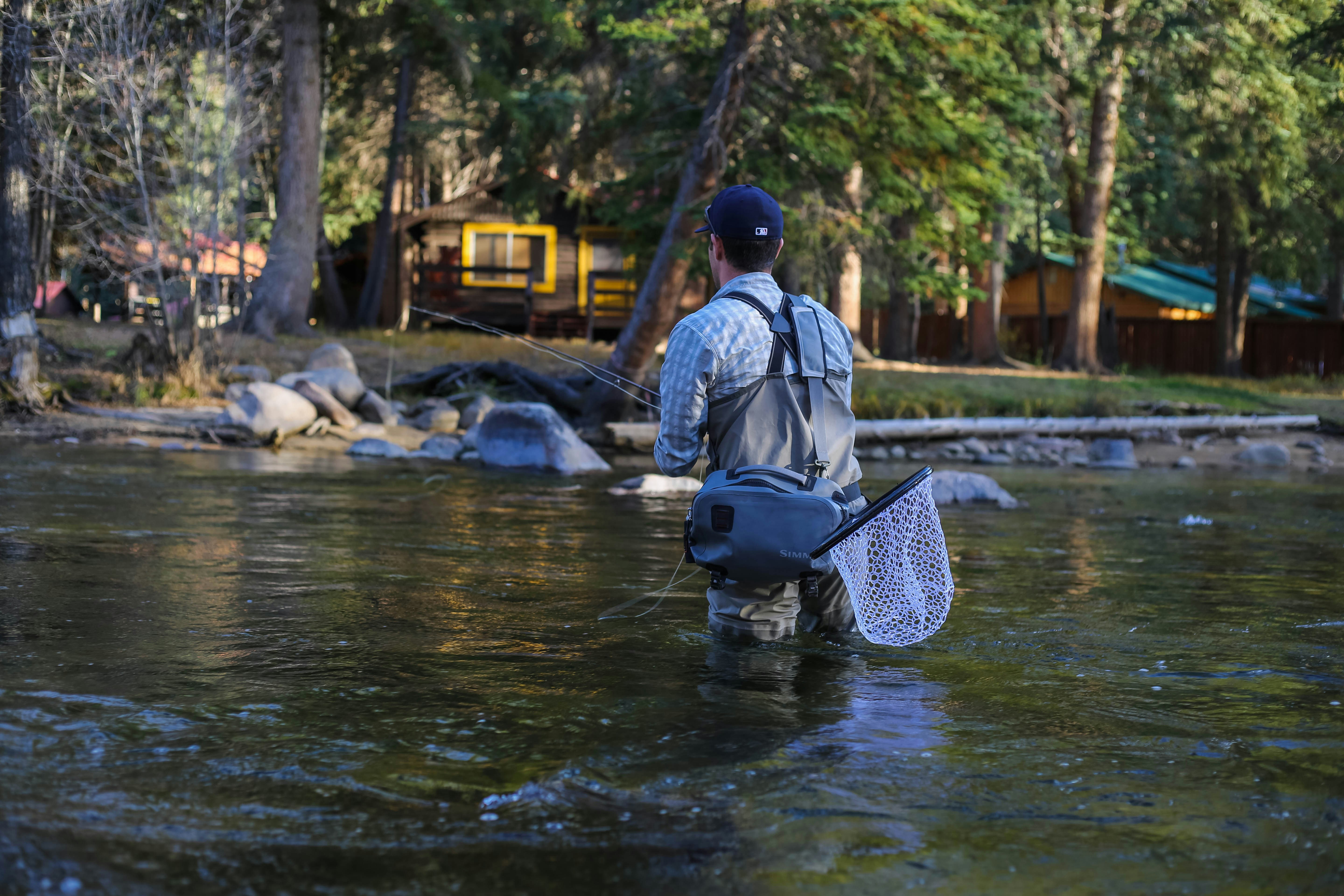
- Use a Knotless, Rubberized Net: A gentle net designed for catch and release will help you land the fish without damaging its scales or mucus layer.
Reviving and Releasing
Once the fish is unhooked, it's crucial to properly revive it before release. This helps the fish regain its strength and swim off healthy.
- Gently Cradle the Fish: Support the fish horizontally in the water, keeping it upright. Avoid squeezing or lifting it out of the water.
- Move the Fish Back and Forth: Gently move the fish forward and back to help oxygenate its gills. Continue this until the fish can swim away on its own.
- Release in Calm Water: Choose a quiet, calm area to release the fish, allowing it to swim off at its own pace.
Conclusion
Mastering the art of catch and release is essential for preserving healthy, vibrant fisheries. By following these best practices, you can protect the fish, sustain the resource, and ensure exceptional angling opportunities for years to come. So the next time you hook into a beautiful trout or bass, handle it with care and send it back to the water strong and unharmed.
Ready to log your catch and release efforts? Download the Flyloops app today to track your catches, log details, and contribute to conservation efforts in your local fisheries.