Fly Fishing vs Spin Fishing: Which is Right for You?
Estimated read time: 11 minutes
Walk into any tackle shop and you'll find two distinct worlds. One side is spin fishing — straightforward, accessible, effective. The other is fly fishing — more nuanced, more involved, and for the right person, far more rewarding.
Both catch fish. Both have their place. But they're fundamentally different approaches to the sport, attracting different kinds of anglers and offering different kinds of experiences. Choosing between them isn't just about which catches more fish — it's about what kind of fishing you actually want to do.
This guide gives you an honest comparison of both disciplines across every relevant dimension: technique, gear, cost, learning curve, effectiveness, and the intangible qualities that make each approach uniquely satisfying to its practitioners. By the end you'll have a clear picture of which is right for you — and why.
Table of Contents
- The Fundamental Difference
- How Each Method Works
- Learning Curve
- Gear and Cost
- Where Each Method Excels
- Freshwater Applications
- Saltwater Applications
- What You Can Catch
- The Experience Factor
- Which Should You Choose?
- Frequently Asked Questions
The Fundamental Difference
In spin fishing, the weight of the lure or sinker carries the line through the air. You cast the lure and the line follows it. The heavier the lure, the further it goes.
In fly fishing, it's the opposite. The fly itself is nearly weightless — a few feathers and thread on a hook. It's the weight of the fly line that carries the fly through the air. The fly follows the line.
This single difference shapes everything: the casting technique, the gear required, what you can imitate, and how close to nature the fishing experience feels. It's not just a different method — it's a different philosophy.
How Each Method Works
Spin Fishing
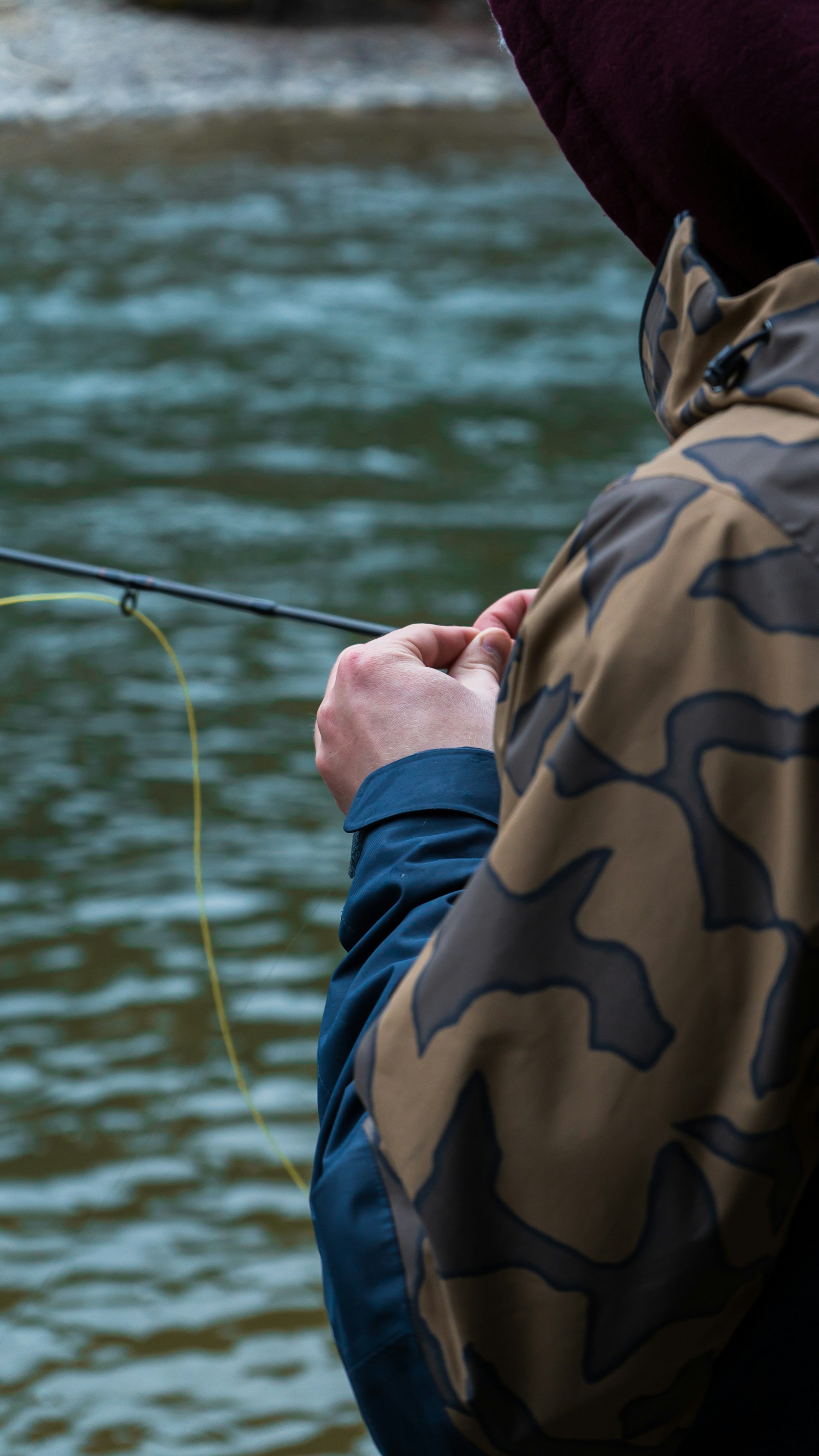
Spin fishing uses a spinning rod, reel, and monofilament or braided line. The lure — a spinner, soft plastic, hard bait, or weighted jig — provides the mass needed for casting. The reel's spinning mechanism (hence the name) allows line to flow freely off the spool during the cast and be retrieved by winding a handle.
The technique is intuitive: cast, retrieve, vary the speed and action to trigger strikes. Most people can cast reasonably well within an hour. The mechanics are simple, the feedback is immediate, and the path from picking up the rod to catching a fish is short.
Spin fishing strengths:
- Simple, fast to learn
- Covers large amounts of water quickly
- Effective at distance
- Works in a wide range of conditions
- Gear is widely available and affordable
Fly Fishing
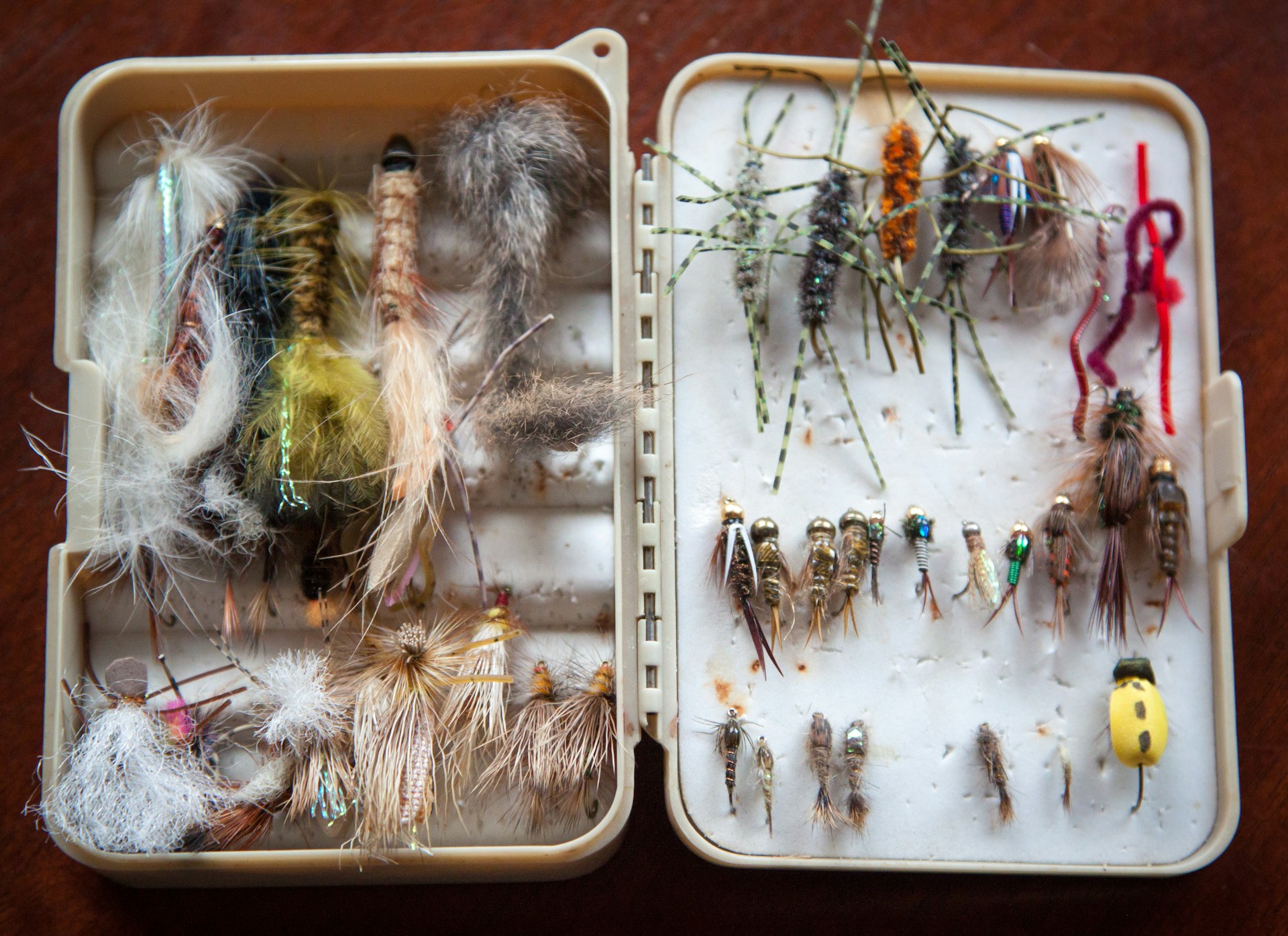
Fly fishing uses a fly rod, reel, specialised weighted fly line, and a nearly weightless artificial fly tied from fur, feathers, and synthetic materials. The casting technique — working the rod back and forward to load and unload energy in the line — is the skill that defines the discipline.
Rather than covering water by casting far and retrieving fast, fly fishing is typically more precise and deliberate. You're presenting a specific imitation of a natural food source to a specific fish, in a specific way. The satisfaction comes not just from the catch but from the whole process: reading the water, identifying what fish are eating, choosing the right fly, presenting it naturally, and fooling a fish on your own terms.
Fly fishing strengths:
- Unmatched ability to present lightweight, natural imitations
- Surface fishing (dry fly) is unique to fly fishing
- More intimate, deliberate engagement with the environment
- Deeper skill development over time
- Often more effective in clear, technical water
Learning Curve
This is where the two disciplines diverge most significantly — and where the honest comparison matters most.
Spin Fishing Learning Curve
Spin fishing is genuinely beginner-friendly. The basic cast — open the bail, hold the line, swing the rod forward, release — can be learned in fifteen minutes. Catching a fish on your first session is realistic. The equipment is forgiving and the feedback from mistakes is immediate and easy to interpret.
Advanced spin fishing — reading water, lure selection, finesse techniques — takes time to develop. But the barrier to basic competence is very low.
Fly Fishing Learning Curve
Fly fishing has a steeper entry curve, primarily because of casting. The mechanics of loading a fly rod and timing the cast are counterintuitive compared to spin fishing. Most beginners struggle initially — the line doesn't go where they expect, the timing feels wrong, and everything seems to happen at once.
But here's the honest truth: this reputation is somewhat exaggerated. Most people are catching fish within their first two or three sessions on the water. The basics — a serviceable cast, a reasonable presentation, a fish in the net — are achievable quickly. It's mastery that takes years, not competence.
The steeper curve pays back. Every skill you develop in fly fishing — reading water, understanding insect behaviour, refining presentation — makes you a more observant, more connected angler. The learning never stops, which is part of what keeps fly fishing interesting for a lifetime.
Gear and Cost
Spin Fishing Gear Costs
Spin fishing gear is widely available and affordable at every price point. A functional beginner setup — rod, reel, line, and a basic lure selection — can be assembled for $50–$100. Mid-range gear that will last years runs $150–$300. High-end specialist setups can cost significantly more, but the baseline for effective fishing is very accessible.
Fly Fishing Gear Costs
Fly fishing gear has a higher entry cost than spin fishing, but the gap is smaller than its reputation suggests. A functional beginner fly fishing setup — rod, reel, line, leader, tippet, and basic flies — runs $250–$500. A mid-range kit that will last many years costs $500–$900.
The perception that fly fishing is expensive comes partly from the top end of the market — premium rods, hand-tied flies, guiding fees on exclusive rivers. None of this is necessary to start. Mid-range gear from reputable brands performs at 90% of premium levels and is perfectly capable for years of serious fishing.
Where fly fishing costs more:
- Initial gear investment is higher
- Flies need regular replacement (though tying your own dramatically reduces this)
- Some fishing locations charge premium access fees
Where fly fishing costs less:
- Flies cost a fraction of lures if you tie your own
- Less hardware replaced over time
- A quality fly rod lasts decades
Side-by-Side Comparison
| Spin Fishing | Fly Fishing | |
|---|---|---|
| Beginner setup | $50–$150 | $250–$500 |
| Mid-range setup | $150–$400 | $500–$900 |
| Consumables | Lures ($5–$20 each) | Flies ($1–$3 each, or tie your own) |
| Learning resources | Widely available | Widely available |
→ See our Complete Fly Fishing Gear Guide for a full breakdown of what you need to get started with fly fishing.
Where Each Method Excels
When Spin Fishing Is the Better Choice
Covering large amounts of water: spinning lures can be cast far and retrieved quickly, covering water that fly fishing can't reach efficiently. On large open lakes, offshore fishing, and big river searching, spin fishing covers more ground.
Targeting deep water: getting a lure deep in fast water or offshore is simpler with spin fishing — weighted jigs and sinking lures reach depths that require specialist fly fishing setups to match.
Fishing in strong wind: casting a weighted lure into a headwind is significantly easier than casting a fly line. In consistently windy conditions, spin fishing is more practical.
Introducing children and absolute beginners: the simplicity of spin fishing makes it the better first introduction to fishing for young children or complete beginners with no patience for a casting learning curve.
Trolling and boat fishing: running lures at trolling speed behind a boat is a spin fishing technique with no fly fishing equivalent.
When Fly Fishing Is the Better Choice
Surface fishing: dry fly fishing — presenting a floating fly on the surface to rising fish — is unique to fly fishing. Nothing in spin fishing replicates the experience of watching a trout tip up and sip a dry fly from the surface film.
Clear, technical water: in crystal-clear water where fish can inspect every detail of what they're eating, fly fishing's ability to present tiny, precise imitations on nearly invisible tippet consistently outperforms spin fishing. Selective trout in a spring creek are catchable on a fly; a spinning lure won't get a look.
Matching natural food sources: the fly fishing approach to imitating specific insects, crustaceans, and baitfish at specific life stages is far more sophisticated than spin fishing's lure selection. When fish are feeding on something specific, matching it precisely is a fly fishing strength.
Shallow water and flats fishing: presenting a fly quietly and precisely to fish in shallow water — bonefish on a flat, bass in the shallows, carp on a gravel bar — is a fly fishing specialty. A spinning lure lands too hard and spooks fish in these situations.
Rivers and streams: the ability to mend line, control drift, and present a fly naturally in complex currents makes fly fishing the dominant approach in river fishing worldwide. Spin fishing works in rivers but the precision and subtlety of fly fishing is genuinely superior in most river scenarios.
Freshwater Applications
Rivers and Streams
Fly fishing advantage. The fly angler's toolkit — nymphing, dry fly, streamer — gives complete coverage of all river feeding behaviour. The ability to control a dead drift precisely, present to rising fish, and cover pocket water thoroughly makes fly fishing the superior approach on most rivers.
Spin fishing works in rivers — spinners and soft plastics catch trout and bass — but lacks the precision and versatility of fly fishing in moving water.
Lakes and Dams
More even. Both methods work well in stillwater. Spin fishing covers water efficiently and gets lures to depth easily. Fly fishing excels when fish are rising, feeding near the surface, or in the shallows — particularly on clear stillwaters where a quiet presentation matters.
The angler who can read stillwater well and position correctly will outfish either method. See our guide to reading stillwater for how to find fish in lakes and dams.
Trout
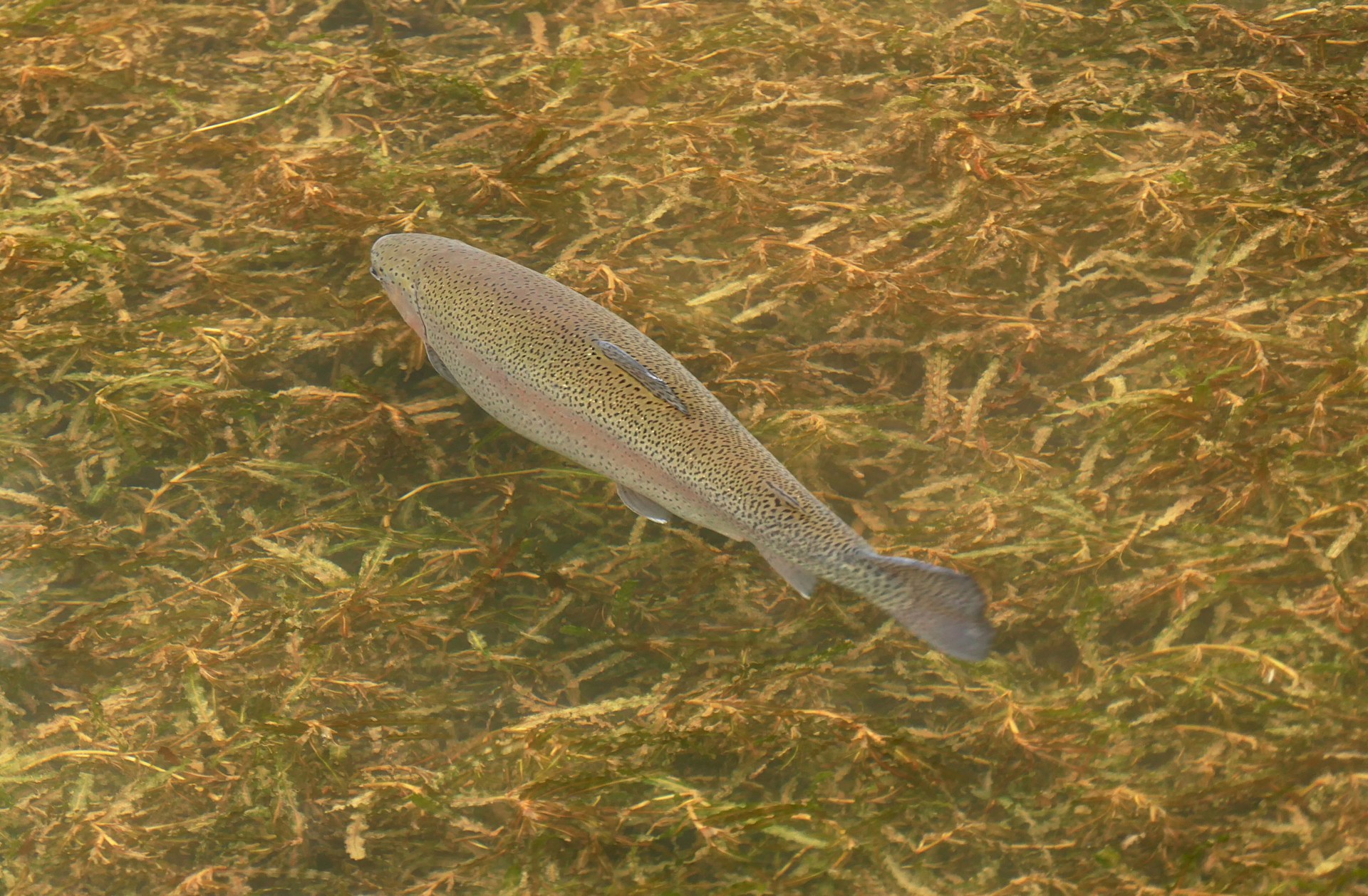
Fly fishing advantage. Fly fishing and trout are synonymous for good reason — the method was largely developed around trout. The ability to imitate mayflies, caddis, and midges precisely, present dry flies to rising fish, and nymph subsurface with sensitivity makes fly fishing the premier approach for trout in most situations.
Spin fishing catches trout — particularly on spinners and spoons — but lacks the subtlety for selective fish in clear water.
Bass
More even. Bass are aggressive enough that both methods produce well. Spin fishing covers water quickly with crankbaits, soft plastics, and jigs. Fly fishing with poppers and streamers is deeply satisfying on bass and often highly effective — watching a largemouth crash a surface popper is hard to beat on any tackle.
Yellowfish and Carp
Fly fishing advantage in clear water. Both species are caught on spin fishing tackle, but in clear water where they can be stalked and sight-fished, fly fishing's quieter presentation and ability to imitate natural food sources gives it a significant edge. Yellowfish rising to a dry fly is a uniquely fly fishing experience.
Saltwater Applications
Surf and Beach Fishing
Spin fishing advantage. The ability to cast heavy lures long distances into surf, cover water quickly, and fish through waves and strong current makes spin fishing the dominant method for most beach and surf fishing. Fly fishing is possible in the surf but requires calm conditions, good casting ability, and the right setup.
Estuary and River Mouth Fishing
More even. Both methods work well in estuaries. Spin fishing covers more water and gets lures deeper in tidal currents. Fly fishing with streamers and surface flies is highly effective for kob, garrick, and other estuary species — particularly in shallow water and on an incoming tide when fish move onto flats.
Flats Fishing (Bonefish, Permit, Trevally)
Fly fishing advantage. Saltwater flats fishing is almost exclusively a fly fishing discipline. The sight-fishing approach — spotting individual fish, making a precise cast ahead of them, and presenting a fly quietly — is what flats fishing is about. A spinning lure lands too hard and spooks fish on shallow flats. Fly fishing's quiet, accurate presentation is purpose-built for this environment.
Offshore and Pelagic Fishing
Spin fishing advantage. Trolling, deep jigging, and fishing at distance for pelagic species are primarily spin fishing (and conventional tackle) techniques. Fly fishing offshore is possible — targeting yellowtail, tuna, and other pelagic species on poppers and streamers at the surface — but requires specialist skills and the right conditions.
Inshore Species (Garrick, Shad, Kob)
More even. Both methods catch inshore species effectively. Spin fishing covers more water and handles stronger currents better. Fly fishing with large streamers and surface flies is highly effective for garrick and shad in the surf and estuaries — and arguably more exciting on the right tackle.
What You Can Catch
Both methods catch a remarkable range of species. The differences are at the margins — specific situations, specific species, specific conditions where one method has a meaningful advantage.
| Species | Better Method | Notes |
|---|---|---|
| Trout (rivers) | Fly fishing | Clear water, precise presentation, dry fly |
| Trout (stillwater) | Even | Both effective; fly excels when rising |
| Bass | Even | Fly fishing for surface; spin for depth |
| Yellowfish | Fly fishing | Sight fishing, dry fly, clear rivers |
| Carp | Fly fishing | Clear water sight fishing |
| Bonefish/Permit | Fly fishing | Flats fishing is fly fishing territory |
| Garrick/Leervis | Even | Both effective in surf and estuaries |
| Offshore pelagics | Spin fishing | Distance, depth, trolling |
| Surf fishing | Spin fishing | Distance and weight required |
The Experience Factor
This is where the comparison moves beyond pure effectiveness — and where fly fishing makes its strongest case for the right kind of angler.
Spin Fishing Experience
Spin fishing is satisfying in a direct, immediate way. You cover water, you feel the lure working, you get strikes, you catch fish. The feedback loop is quick and the gratification is immediate. It's excellent fishing — unpretentious, effective, and accessible.
The experience is somewhat equipment-mediated. Much of the action happens at a distance, transmitted through monofilament and rod tip. The angler's role is partly mechanical — operating the reel, controlling the retrieve.
Fly Fishing Experience
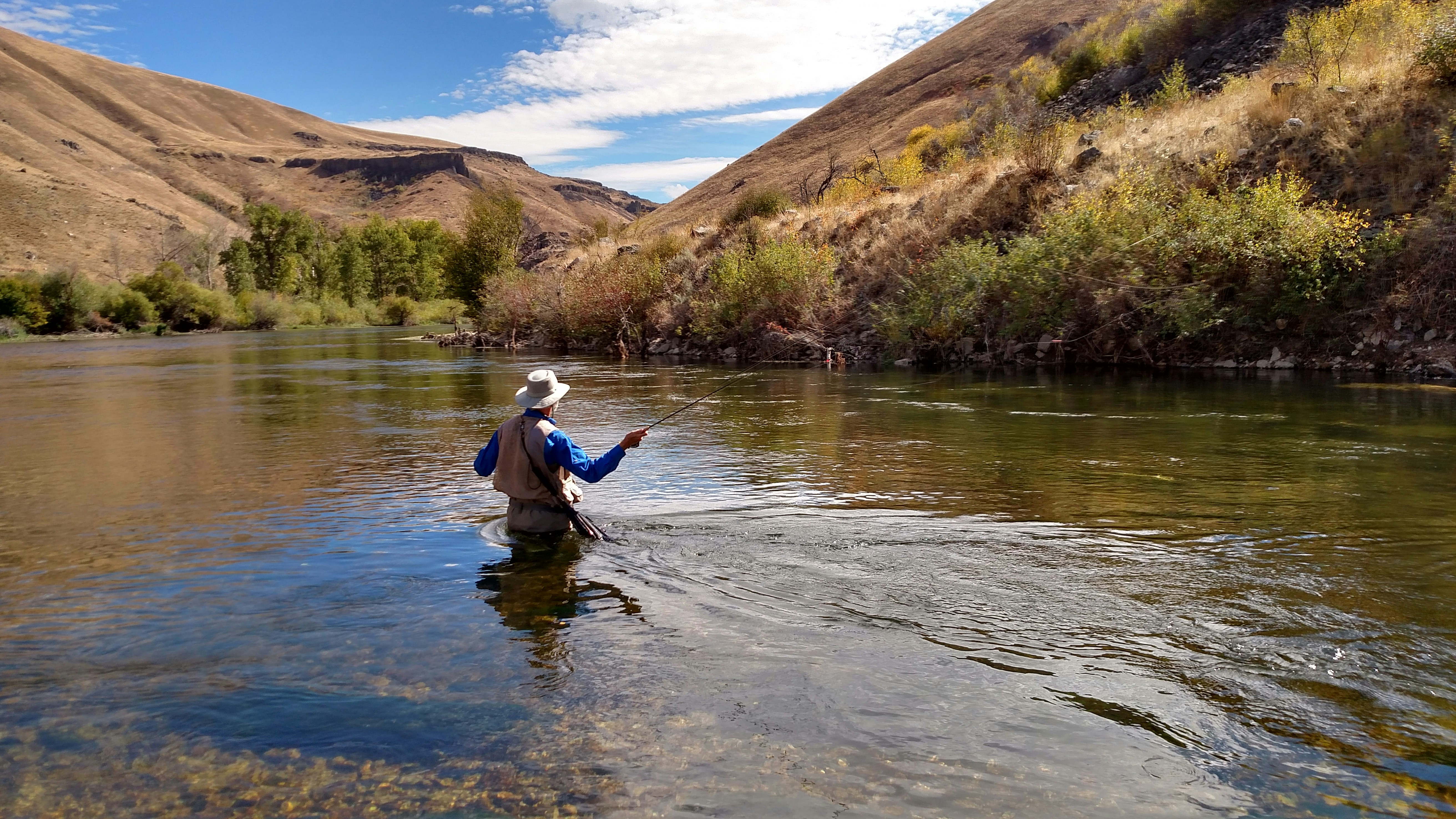
Fly fishing is more immersive. You're wading in the river, not standing above it. Your fly is on the water in front of you, not 40 metres away. The take — whether a rise to a dry fly or a pull on a nymph — is immediate and intimate.
The discipline rewards observation and knowledge. Understanding insect behaviour, reading current, identifying feeding lies — these skills develop over years and make every session richer than the last. The learning never plateaus, which is why fly anglers tend to fish for decades without losing enthusiasm.
The dry fly experience is unique. Watching a fish rise to a fly you chose, tied on, and presented correctly is one of fishing's purest satisfactions. It has no equivalent in spin fishing.
It connects you to the environment differently. A fly angler who has spent years on a river knows that river — its hatches, its fish, its moods across seasons — in a way that occasional lure fishing doesn't build. The depth of engagement is different.
Which Should You Choose?
Choose Spin Fishing If:
- You want to start catching fish immediately with minimal learning investment
- You primarily fish from boats, in surf, or at long range
- You fish mainly for offshore or pelagic species
- You want to introduce young children to fishing
- Budget is a significant constraint
- You want a simple, practical approach to fishing without a lot of technique development
Choose Fly Fishing If:
- You're drawn to the technical side of fishing — understanding hatches, reading water, matching the hatch
- River fishing appeals to you — trout, yellowfish, bass in streams
- You want a discipline that rewards long-term skill development
- The idea of surface fishing — watching a fish take a fly on top — excites you
- You're interested in sight fishing — stalking individual fish in clear water
- You want a fishing practice that deepens your connection to the natural environment
- You're patient enough to invest in learning something properly
The Honest Answer
For most people who are genuinely drawn to fishing as a craft — who want to understand the water, learn about insects and fish behaviour, and develop a skill over years — fly fishing is the more rewarding long-term choice. It offers more depth, more to learn, and a more intimate engagement with the environment than spin fishing.
For people who primarily want to catch fish efficiently, cover water quickly, or fish in conditions where fly fishing is impractical, spin fishing is the better tool.
The good news: there's no rule against doing both. Many experienced anglers spin fish when conditions favour it and fly fish when the situation calls for it. The skills are complementary and the knowledge transfers.
🎣 Starting your fly fishing journey? Flyloops is built to help you track your progress, log your catches, and learn from every session — from your very first outing through to your hundredth. Create your free account →
Frequently Asked Questions
Is fly fishing harder than spin fishing? The casting technique takes more time to learn than spin fishing — most people need a few sessions before their casting is comfortable. Beyond casting, fly fishing's depth of technique (reading water, matching hatches, presentation) means there's always more to learn. But basic competence — catching fish — is achievable within a few sessions for most people. The learning curve is steeper than its reputation suggests but not as steep as its reputation suggests.
Is fly fishing more expensive than spin fishing? The initial investment is higher — a functional fly fishing setup costs $250–$500 vs $50–$150 for spin fishing. But the ongoing cost gap is smaller than most people expect. Flies are cheap (especially if you tie your own), and quality fly fishing gear lasts decades. The top end of both markets is expensive; the accessible entry points are both reasonable.
Can you catch the same fish on a fly as on a spinner? In most freshwater situations, yes — and often more of them in the right conditions. In some saltwater applications (deep offshore, heavy surf) spin fishing is more practical. In others (flats, clear rivers, surface feeding) fly fishing is more effective. The two methods overlap considerably in freshwater and diverge more in saltwater.
Do I need a guide to start fly fishing? No — self-teaching from articles, YouTube, and time on the water is entirely viable. A single session with a qualified instructor will save you months of reinforcing bad casting habits, which makes it worth considering. A guide on unfamiliar water adds value regardless of experience level. But neither is essential to start.
Can you spin fish and fly fish on the same water? Usually yes — most fishing regulations don't restrict method unless specifically stated. Some designated fly fishing only waters exist, particularly for trout. Check local regulations for the specific water you plan to fish.
Is fly fishing better for catch and release? Generally yes. Barbless flies are easy to remove quickly, fish are typically played faster (shorter fights on appropriate tackle), and the intimacy of fly fishing tends to build a conservation ethic. That said, responsible catch and release is entirely possible with spin fishing — it's about technique and attitude more than the method.
What's the best way to get started with fly fishing? Start with our Fly Fishing 101 beginner's guide for a complete overview of everything you need to know. For gear, our Complete Fly Fishing Gear Guide covers what to buy at every budget level.
Ready to start fly fishing? Create your free Flyloops account and start logging from your very first session — available on web, iOS, and Android.