Mastering Dry Fly Fishing: A Beginner's Guide
Dry fly fishing is a captivating and challenging aspect of the sport that allows anglers to precisely present flies on the surface of the water, enticing selective trout to rise and feed. As a beginner, mastering the nuances of dry fly fishing can seem daunting, but with the right approach and techniques, you'll be well on your way to consistently catching fish on the surface.
Understanding Dry Flies
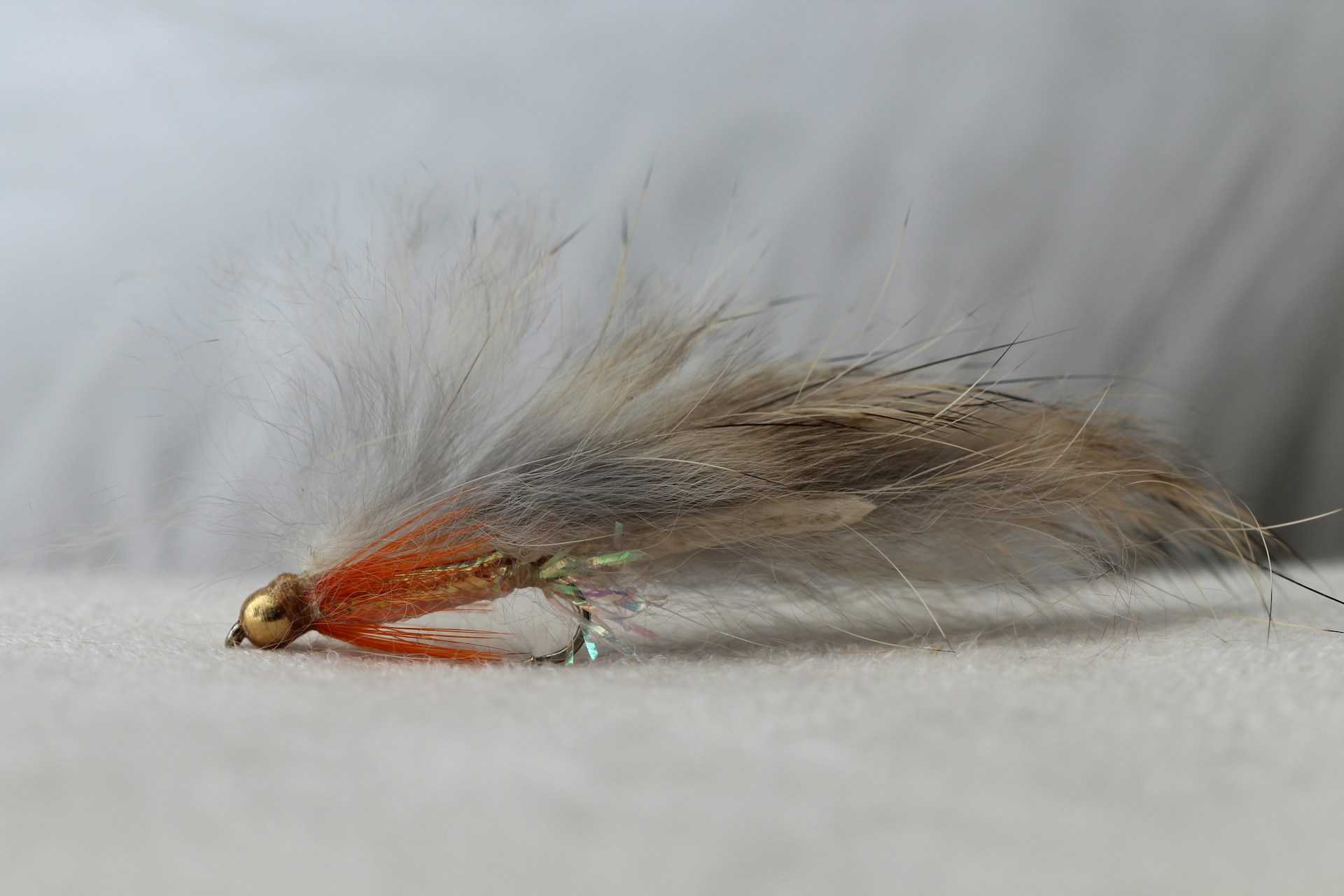
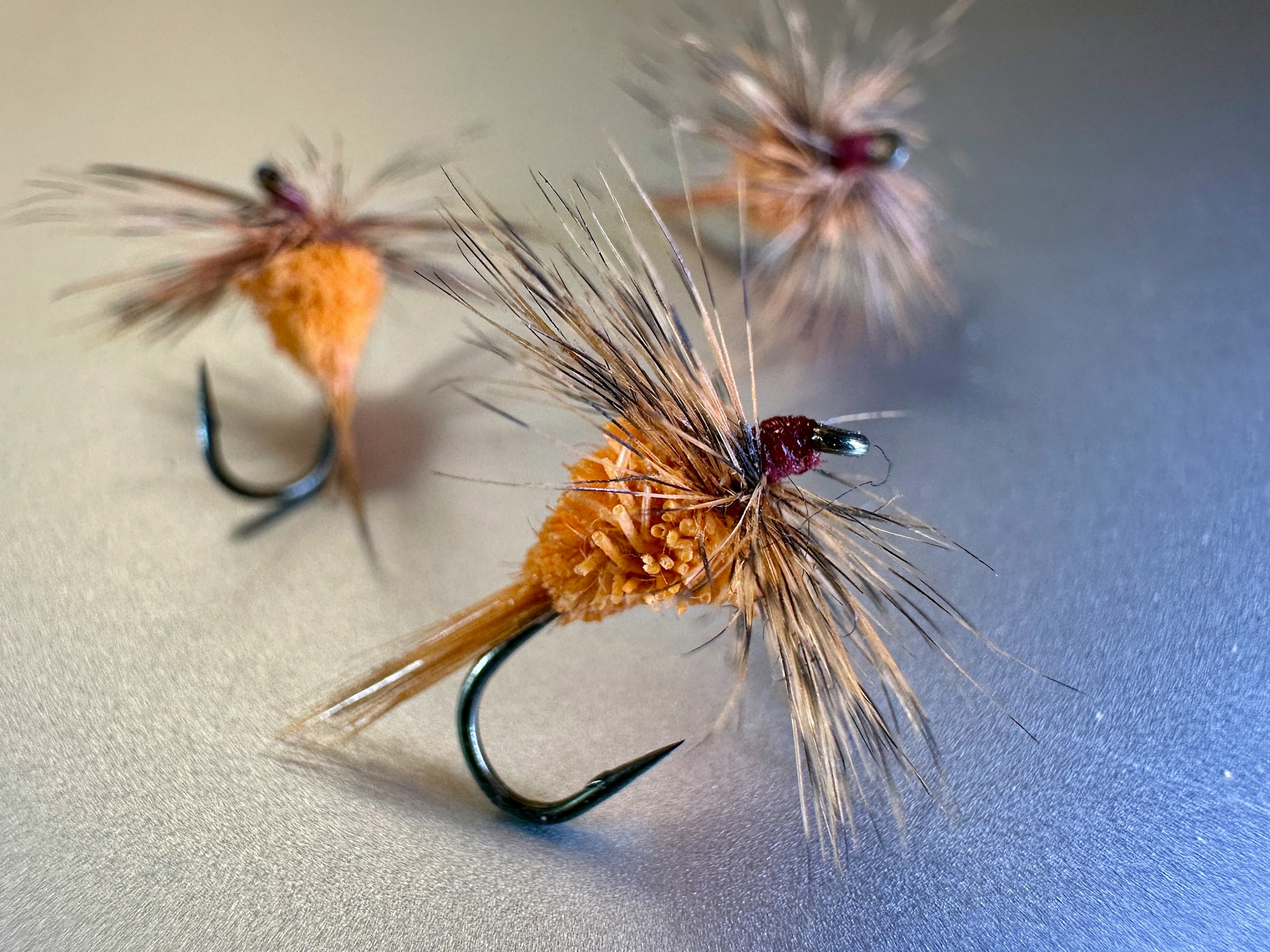
Dry flies are designed to float on the water's surface, mimicking the natural insects that trout key in on. These flies come in a wide variety of patterns, each imitating different stages of an insect's life cycle, from hatching nymphs to adult caddis, mayflies, and terrestrials. Choosing the right dry fly for the hatch and water conditions is crucial for success.
Presentation is Key
Accurate Casting: Precise, delicate casts are essential for dry fly fishing. Practice your casting technique to achieve long, accurate presentations with minimal disturbance to the water's surface.
Drag-Free Drifts: Maintaining a natural, drag-free drift is critical for dry flies. Use your rod, line, and leader to control the fly's movement and prevent it from being pulled by the current.
Mending the Line: Mending your line is a technique used to manage the flow of your line and leader, allowing you to achieve a smooth, drag-free drift. Learn to effectively mend your line before and during the presentation.
Fly Selection and Presentation
When choosing a dry fly, consider the hatch activity, water conditions, and the behavior of the target trout. Match the size, shape, and color of your fly to the natural insects on the water. Present the fly naturally, allowing it to drift without any disturbance to the surface.
Pay close attention to the rise forms of the trout, and adjust your fly size and presentation accordingly. Stalk the banks and look for rising fish, then make a delicate, accurate cast to present the fly in their line of sight.
Practice and Persistence
Mastering the art of dry fly fishing takes time and practice. Spend time on the water, observe the hatch activity, and experiment with different fly patterns and presentation techniques. Persistence and a willingness to learn will pay off as you develop your dry fly fishing skills.
By applying the techniques and strategies outlined in this guide, you'll be well on your way to consistently catching trout on the surface with dry flies. Remember to log your catches and experiences with the Flyloops app to track your progress and share your successes with the community.