Fly Fishing for Beginners: The Complete 101 Guide (2026)
Estimated read time: 12 minutes
Fly fishing looks complicated from the outside. The gear, the casting, the Latin-named insects — it can feel like a secret club with a very steep entry requirement. But here's the truth: almost every experienced fly angler you'll ever meet was once standing exactly where you are now, wondering if they'd ever figure it out.
They did. And so will you.
This guide covers everything you need to get started — the gear, the casting basics, how to choose flies, where to fish, and how to look after the fish you catch. We've kept it practical and jargon-light, so you can spend less time reading and more time on the water.
Table of Contents
- What Makes Fly Fishing Different?
- Essential Gear for Beginners
- Understanding Fly Lines, Leaders & Tippet
- The Basics of Fly Casting
- Fly Selection: Where to Start
- Essential Knots Every Beginner Needs
- Where to Fly Fish
- What Species Can You Target?
- Reading the Water
- Common Beginner Mistakes to Avoid
- Fly Fishing Ethics & Catch-and-Release
- How Long Does It Take to Learn?
- Get Out and Practice
- Frequently Asked Questions
What Makes Fly Fishing Different?
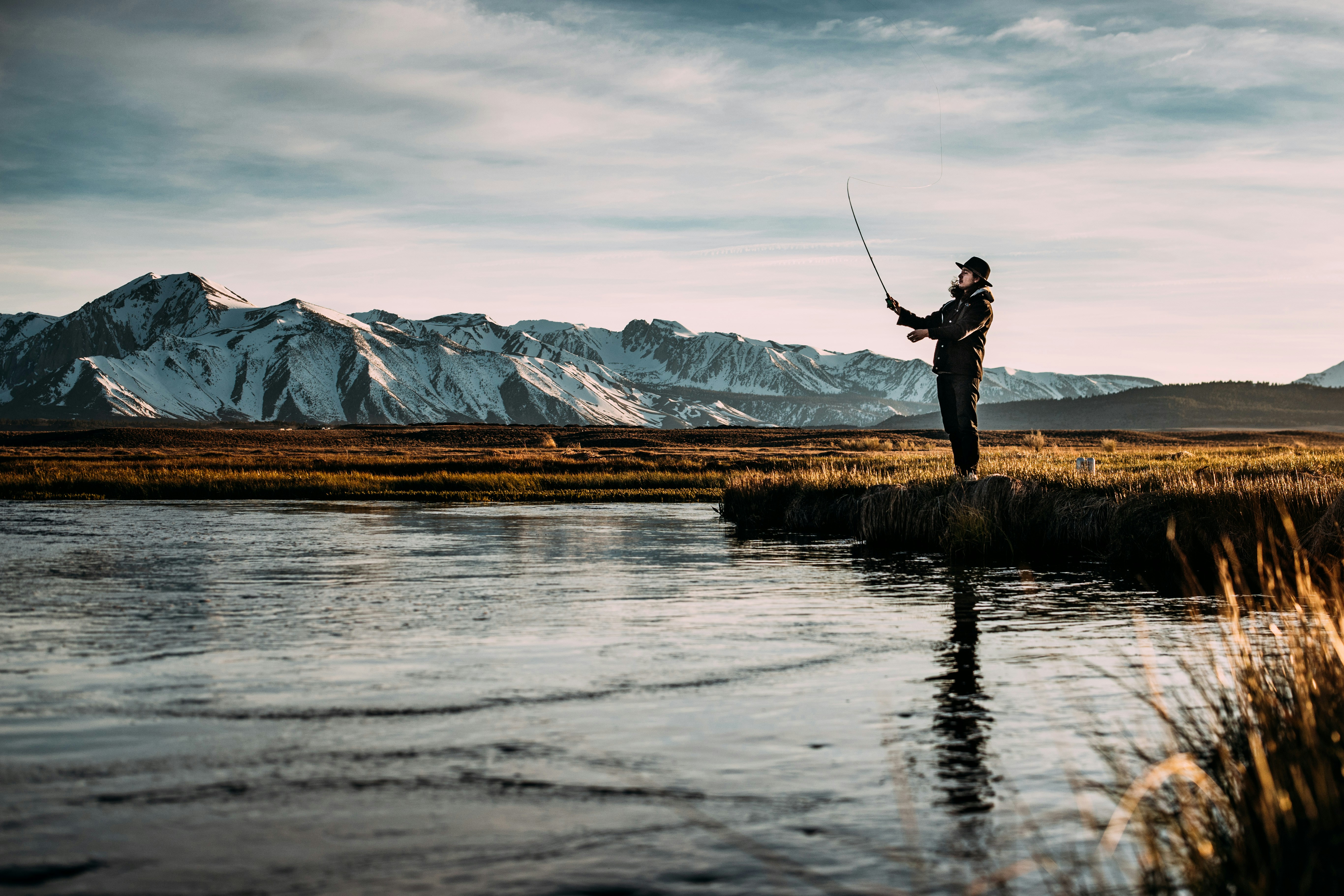
In conventional fishing, the weight of the lure or sinker carries your line through the air. In fly fishing, it's the opposite — the fly itself is nearly weightless, so it's the weight of the fly line that carries it. This fundamental difference is why fly casting looks and feels so different from spin fishing, and why it takes a little time to learn.
The other big difference is the flies themselves. Fly fishing flies are tied to imitate the natural food fish eat — aquatic insects, small baitfish, crustaceans, and more. The goal is to present your fly so naturally that a fish can't tell it from the real thing. That matching-the-hatch puzzle is a big part of what makes fly fishing so addictive.
Essential Gear for Beginners
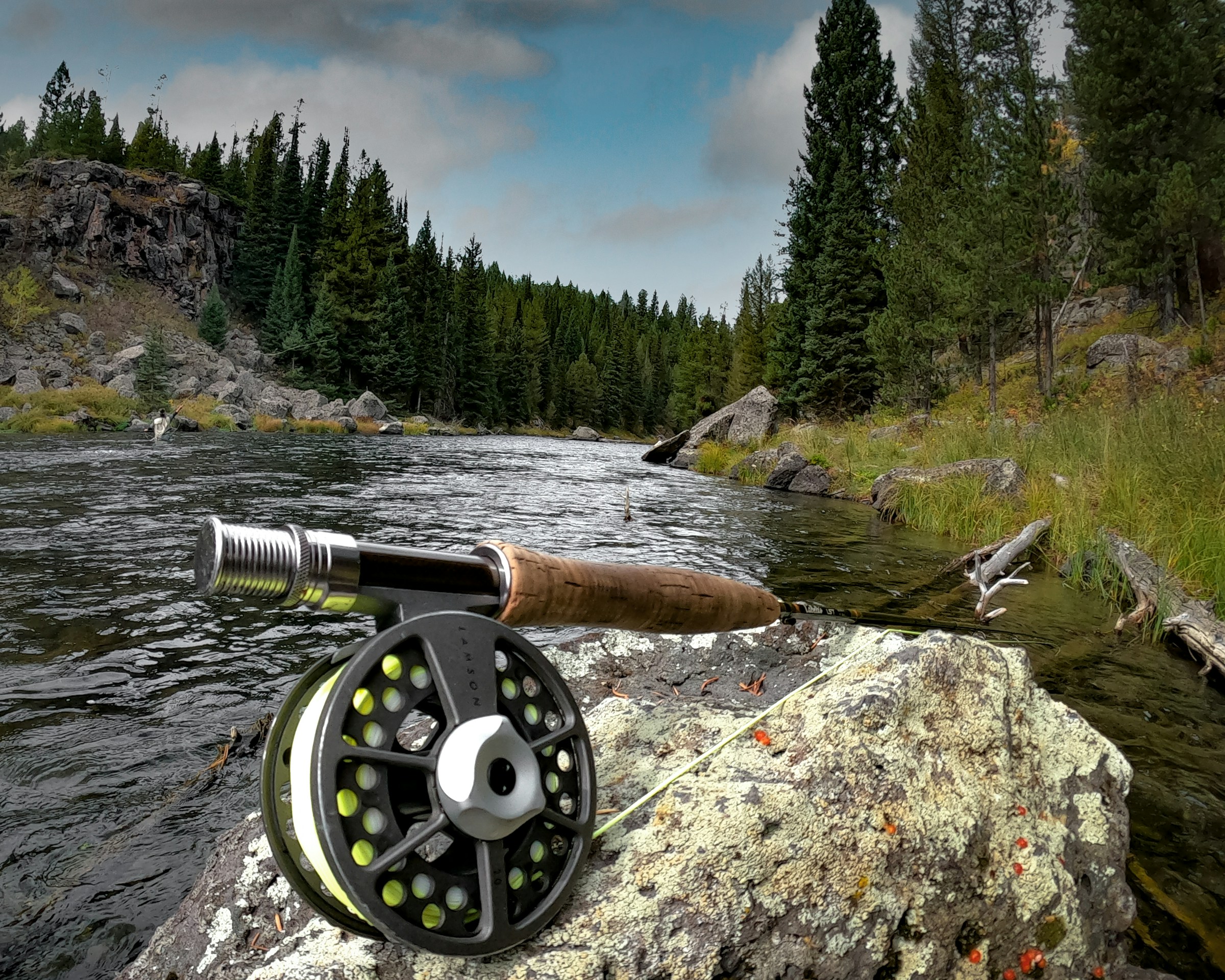
You don't need to spend a fortune to get started. Here's what you actually need:
Fly Rod
For most beginners, a 9-foot, 5-weight rod is the ideal starting point. It's versatile enough to handle trout in rivers, bass in ponds, and plenty of other species. Rod lengths range from 6 to 14 feet, and weights from 1 (ultra-light) to 14 (saltwater big game), but a 5-weight is the reliable middle ground.
Mid-range rods from reputable brands like Redington, Echo, or Sage offer a great balance of quality and price for beginners. Expect to pay $80–$250 for a solid starter rod. Avoid very cheap no-name rods — they're often poorly made and will make learning harder.
Fly Reel
The reel is less critical than in conventional fishing — you'll rarely use the drag system when targeting smaller trout or panfish. A simple, well-made reel that balances your rod is all you need. Match the reel weight to your rod weight (a 5-weight rod takes a 5-weight reel). Budget $50–$150 for a beginner reel.
Fly Line
This is more important than beginners expect. A weight-forward floating line is the best choice to start — it's easier to cast, more versatile, and works for the majority of freshwater situations. Match the line weight to your rod (5-weight line on a 5-weight rod). A decent fly line costs $40–$80 and is worth investing in — a bad line makes casting much harder.
Waders & Wading Boots
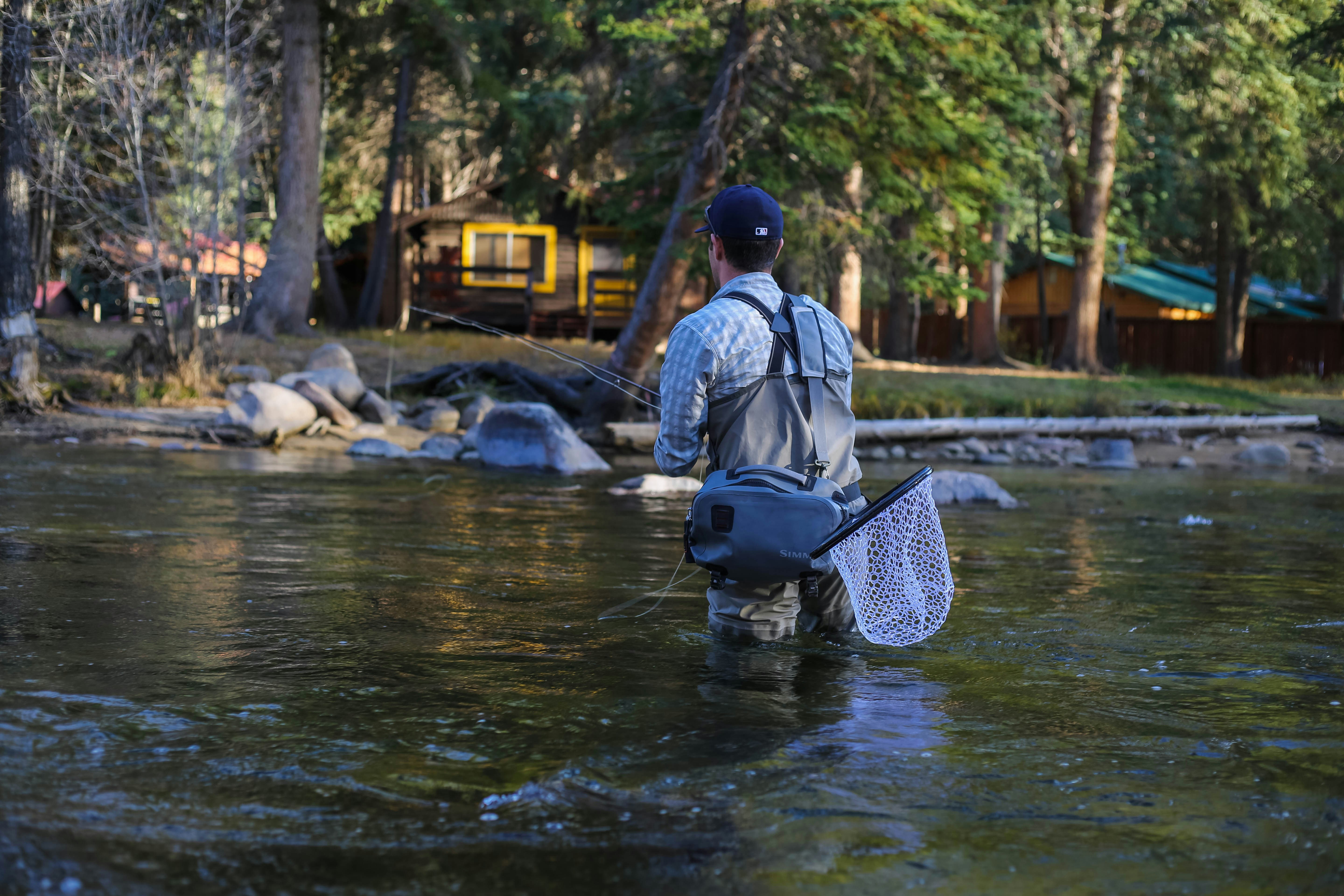
Not always essential — you can fish from the bank or in shorts in warmer months — but if you want to wade rivers, breathable chest waders paired with wading boots with felt or rubber soles are the go. Entry-level waders from brands like Frogg Toggs or Hodgman are affordable and perfectly functional for beginners.
Landing Net
A rubber-mesh landing net protects the fish's slime layer and makes releasing fish much easier. Don't skip this one. A basic rubber net costs $20–$40.
Polarised Sunglasses
Often overlooked but genuinely important. Polarised lenses cut the glare off the water, letting you see fish, structure, and bottom features clearly. They also protect your eyes from errant flies. Any polarised lens will do — you don't need the expensive fishing-specific brands to start.
Starter kit total cost estimate: $250–$600 for a complete functional setup. Combo outfits (rod + reel + line) from brands like Orvis or Redington are often excellent value and take the guesswork out of matching gear.
Understanding Fly Lines, Leaders & Tippet
This is where beginners often get confused, so let's break it down simply.
Your fly line is thick, visible, and heavy — it's what carries everything through the air. Attached to the end of the fly line is a leader — a tapered, nearly transparent length of monofilament that transitions from the thick fly line down to a fine point. The taper helps turn the fly over smoothly at the end of the cast.
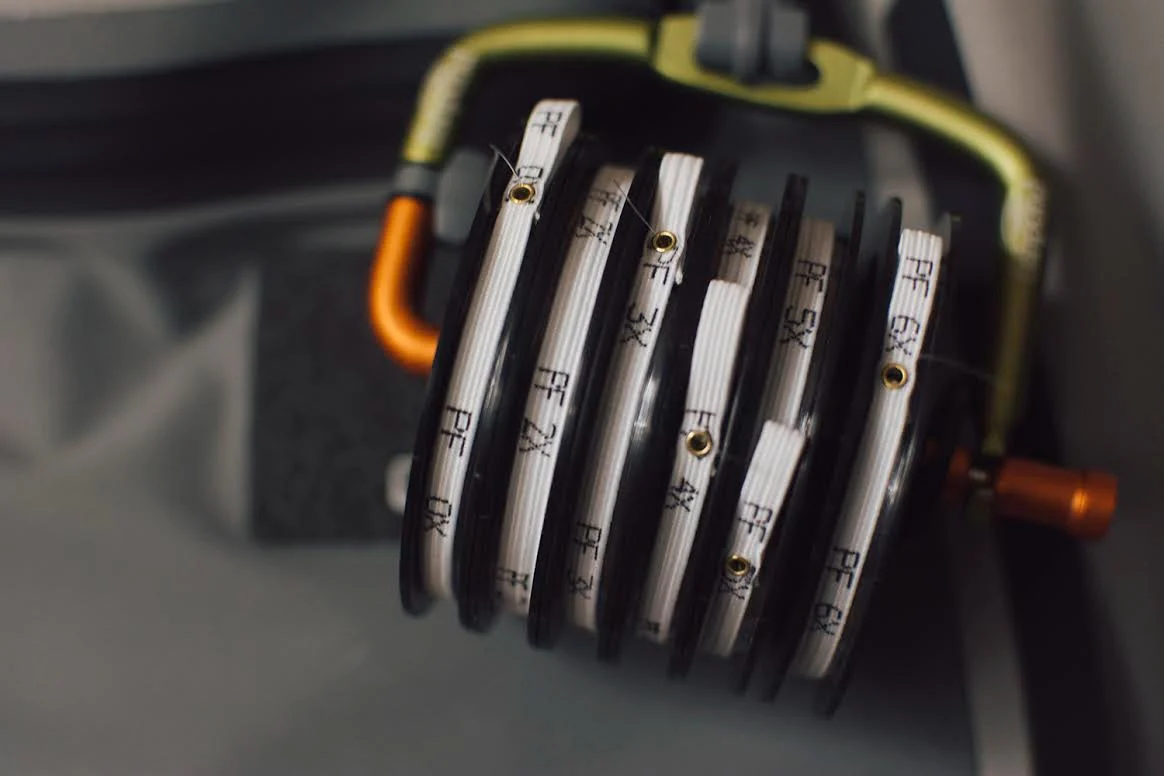
At the very end of the leader, you tie on a length of tippet — the thinnest, most invisible section, which connects directly to your fly. Tippet is sold in spools by "X" rating: 5X is fine and good for most trout fishing, 4X is stronger for bigger fish or streamers, 6X or 7X is ultra-fine for small dry flies.
For most beginners: grab a tapered 9ft 5X leader and a spool of 5X fluorocarbon tippet. Fluorocarbon is less visible underwater than nylon mono and sinks slightly, which can help with nymph presentations. It costs a little more but is worth it.
→ Deep dive: Mastering Fly Fishing Tippets and Leaders: The Essential Guide
→ Also see: Fly Line 101: Choosing the Right Line for Beginner Fly Anglers
The Basics of Fly Casting
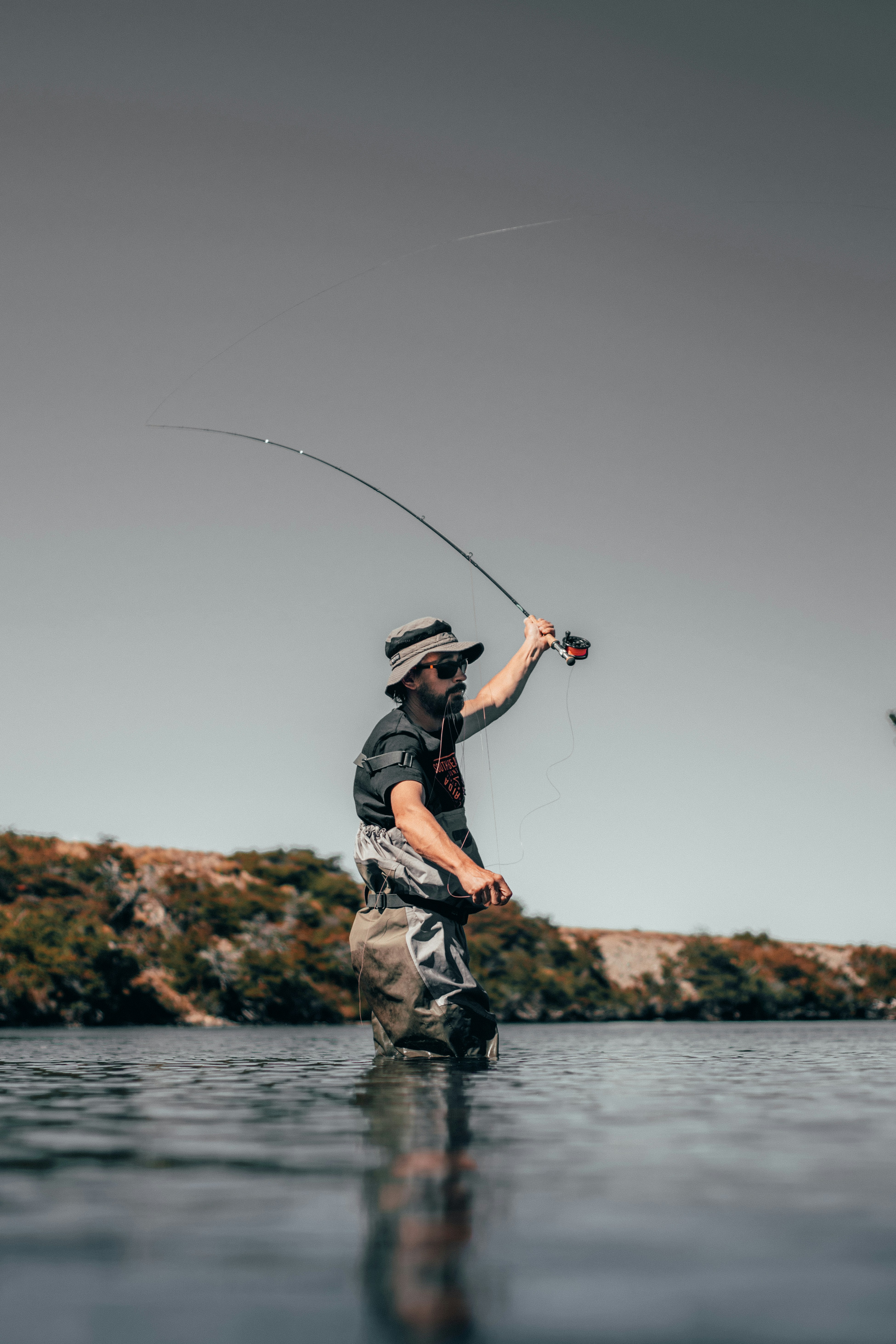
Casting is the skill that takes the most practice, but don't let that put you off. The fundamentals are straightforward — it's the refinement that takes time.
The Four Key Elements
1. The Grip Hold the rod with your dominant hand, thumb resting on top of the grip, pointing toward the tip. Your grip should be firm but relaxed — not a death grip. Pinch the fly line against the rod with your index finger to control it.
2. The Backcast Lift the rod tip smoothly and accelerate upward and back, stopping the rod sharply at around the 1 o'clock position (imagine a clock face). Wait briefly for the line to straighten out behind you — this pause is where beginners often rush, causing the line to collapse.
3. The Forward Cast Once the line has straightened behind you, accelerate the rod forward and stop sharply at around the 10-11 o'clock position. The line will unroll in front of you. Let it land on the water.
4. The Mend Once your fly is on the water, you'll often need to "mend" the line — flipping an upstream loop into it to prevent drag from pulling your fly unnaturally. Drag is the enemy of a good presentation, especially for dry fly fishing.
Practice tip: Start on a lawn with a piece of yarn instead of a fly. Remove all the pressure of water and fish, and just focus on the motion. Even 15 minutes of lawn casting a few times a week will build muscle memory quickly.
→ Deep dive: Mastering the Basics: A Beginner's Guide to Fly Casting
→ Also see: Master the Mend: Fly Line Techniques for Effortless Presentations
Fly Selection: Where to Start
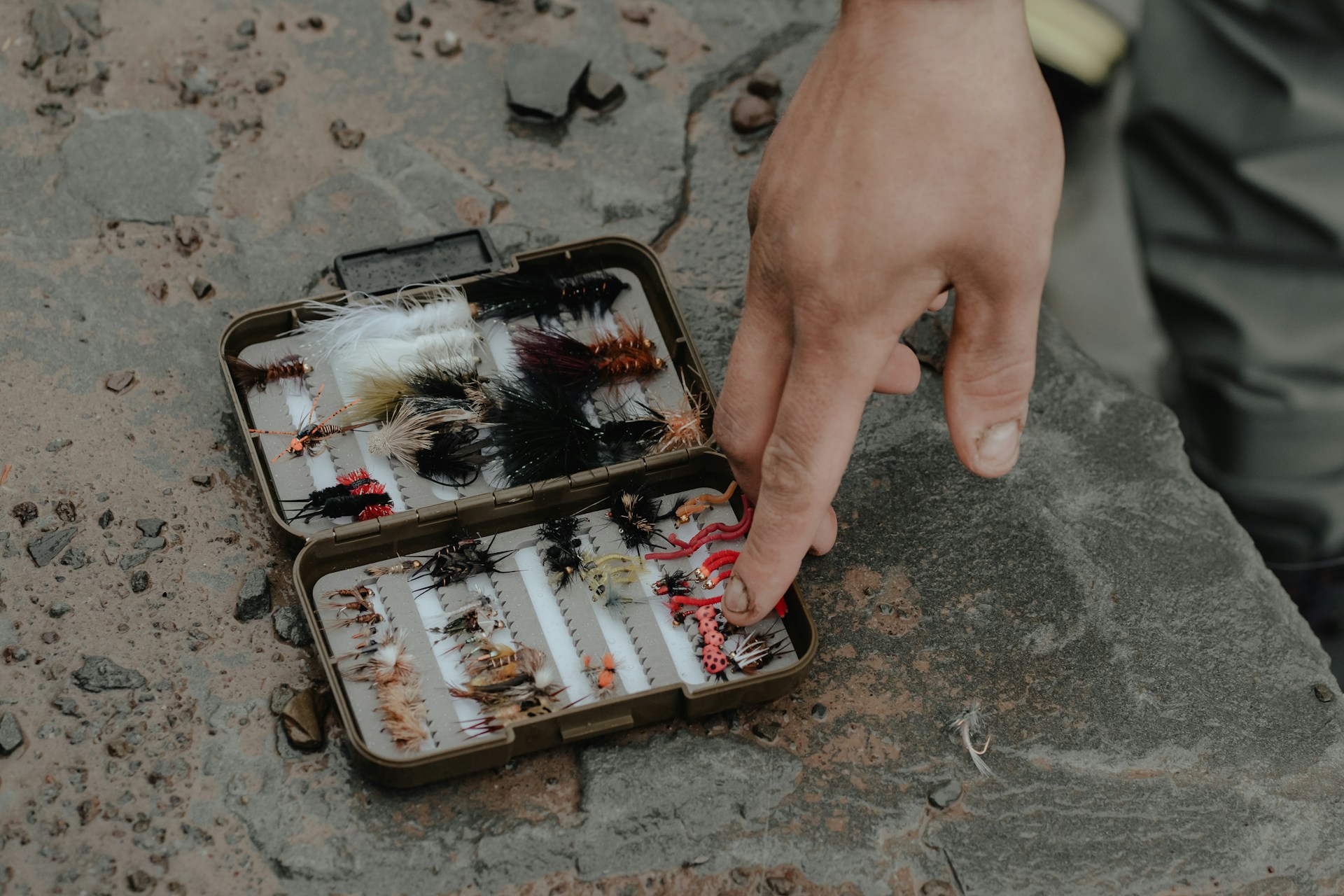
Walk into any fly shop and you'll be faced with hundreds of patterns. Ignore most of them. As a beginner, you need flies that are versatile, effective, and forgiving — not specialist patterns for edge-case situations.
The Three Main Fly Types
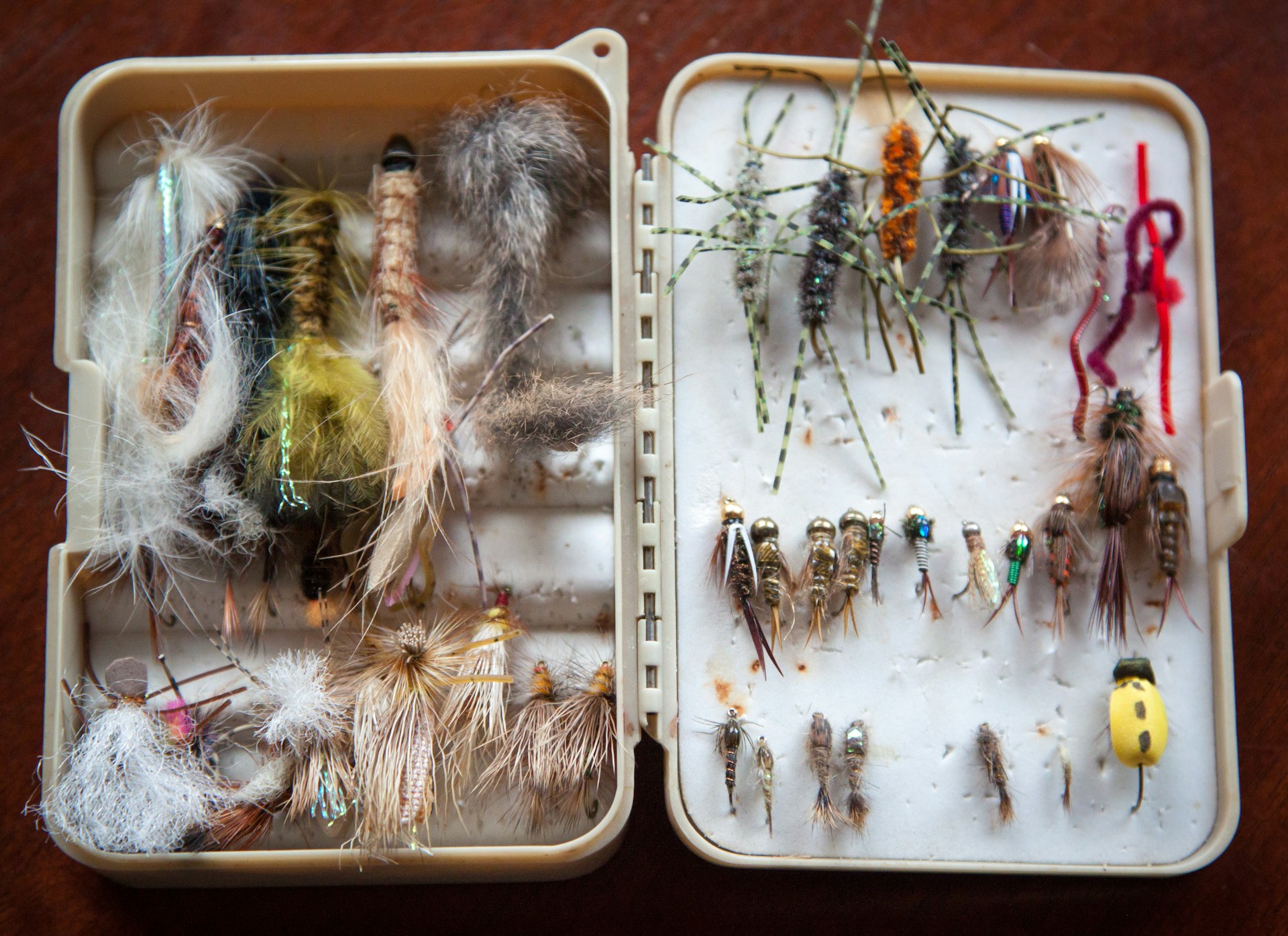
Dry Flies float on the surface and imitate adult insects. Watching a fish rise to take a dry fly is one of fly fishing's greatest thrills. Classic beginner dry flies include the Elk Hair Caddis, Parachute Adams, and Royal Wulff.
Nymphs fish below the surface, imitating the larval stage of aquatic insects. Most trout feed subsurface the majority of the time, making nymphs some of the most consistently effective flies. A Hare's Ear or Pheasant Tail nymph in size 12–16 will catch fish almost anywhere in the world.
Streamers are larger flies that imitate baitfish, leeches, or crayfish. They're retrieved actively rather than drifted. The Woolly Bugger is the classic beginner streamer — ugly, versatile, and devastatingly effective.
Start with: a selection of 5–10 flies covering all three types in a few sizes. You don't need variety — you need confidence in a small selection.
→ Deep dive: 10 Essential Flies Every Beginner Fly Fisher Should Have
→ Also see: The Fly Fisher's Guide to Fly Types: Mastering the Essentials
🎣 Track what's working. As you experiment with flies and techniques, logging your catches helps you see patterns — which flies work in which conditions, what times of day produce fish, how water temperature affects feeding. Flyloops is built exactly for this: a simple logbook that turns your fishing data into insights that help you improve faster.
Essential Knots Every Beginner Needs
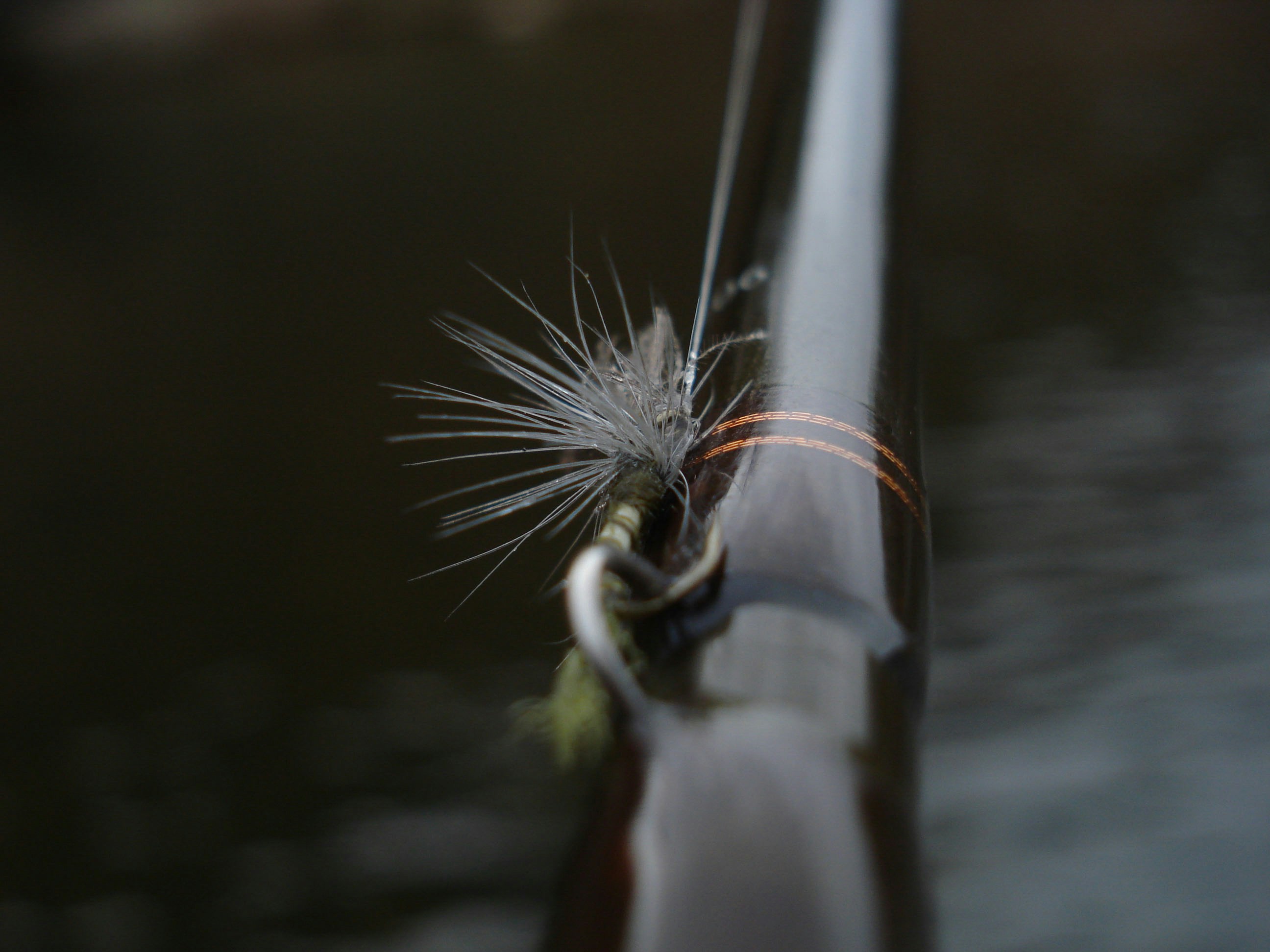
Good news: you only need three knots to get fishing.
1. Improved Clinch Knot — attaches your tippet to your fly. This is the knot you'll tie most often. It's quick, reliable, and holds well on small hooks.
2. Surgeon's Knot — joins two pieces of monofilament (e.g., adding tippet to the end of your leader). Much easier to tie than the blood knot, with comparable strength.
3. Nail Knot (or Loop-to-Loop) — connects your leader to your fly line. Most leaders come with a pre-formed loop, and most fly lines have a welded loop, so you can often skip this one by using the loop-to-loop connection.
Learn these three and you're fully rigged.
→ Deep dive: Essential Fly Fishing Knots for Beginners
Where to Fly Fish

Fly fishing works in almost any body of water — rivers, streams, lakes, dams, estuaries, and the ocean. Each environment presents different challenges and requires slightly different approaches.
Rivers & Streams
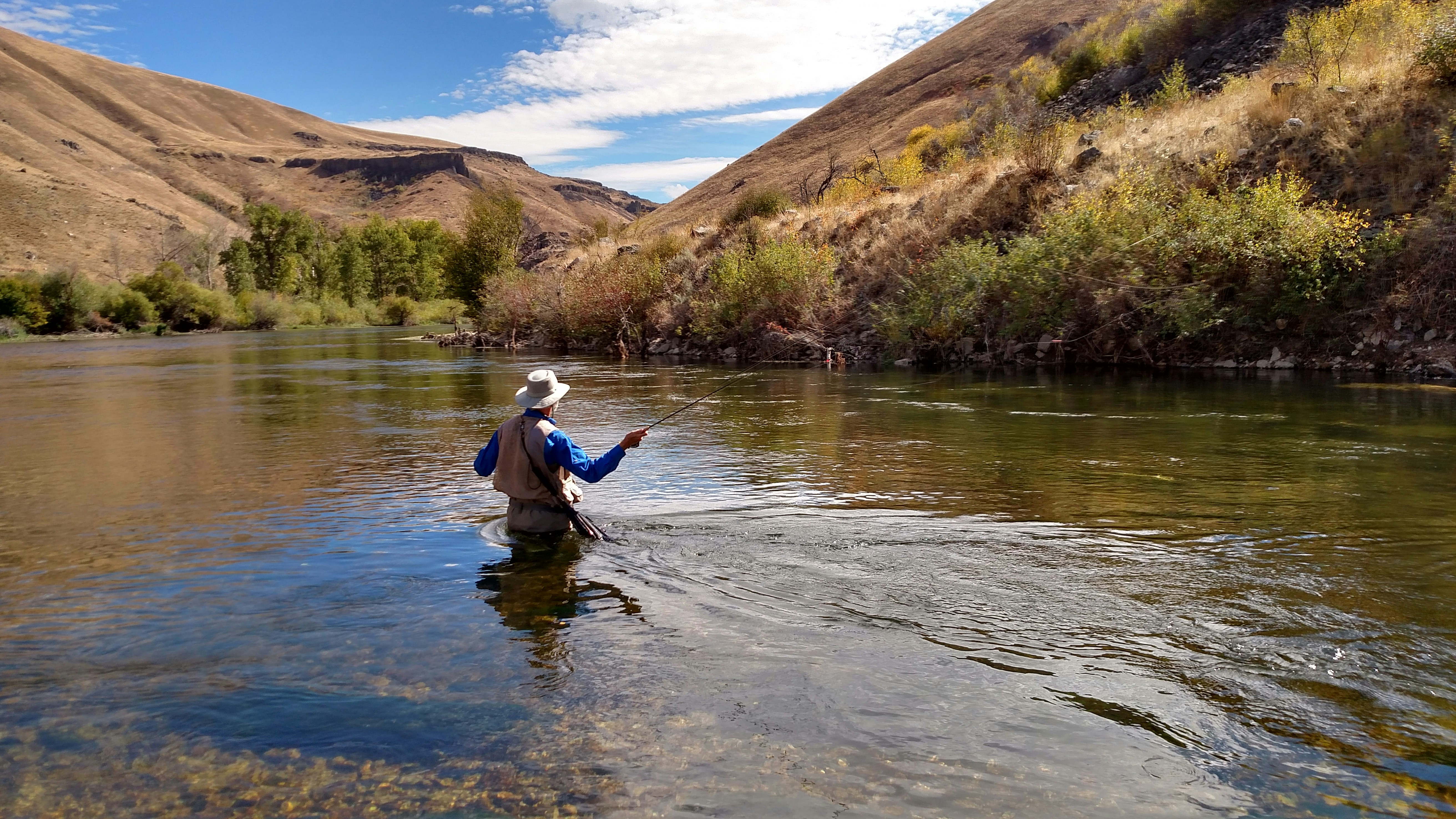
The classic fly fishing environment. Moving water concentrates fish in predictable feeding lies — behind rocks, in current seams, at the head and tail of pools, and in deeper runs. Learning to read a river is a genuinely useful skill that pays dividends for your entire fly fishing life.
Best for: trout, bass, yellowfish, grayling (depending on your region)
Still Water (Lakes & Dams)
Still water fly fishing requires a different approach — fish move more and there's less obvious structure to read. Indicator nymphing and retrieving streamers along drop-offs are effective methods. Still water can be very productive, especially in the early morning and evening.
Best for: trout, bass, bluegill, carp
Saltwater
Fly fishing in saltwater is demanding but enormously rewarding. Wind, distance, and powerful fish require heavier gear and more polished casting. It's not ideal for absolute beginners, but saltwater fly fishing is worth working toward.
Best for: bonefish, trevally, permit, bass, garrick/leervis
→ Deep dive: Mastering the Art of Reading a Trout River: A Fly Fishing Guide
What Species Can You Target?
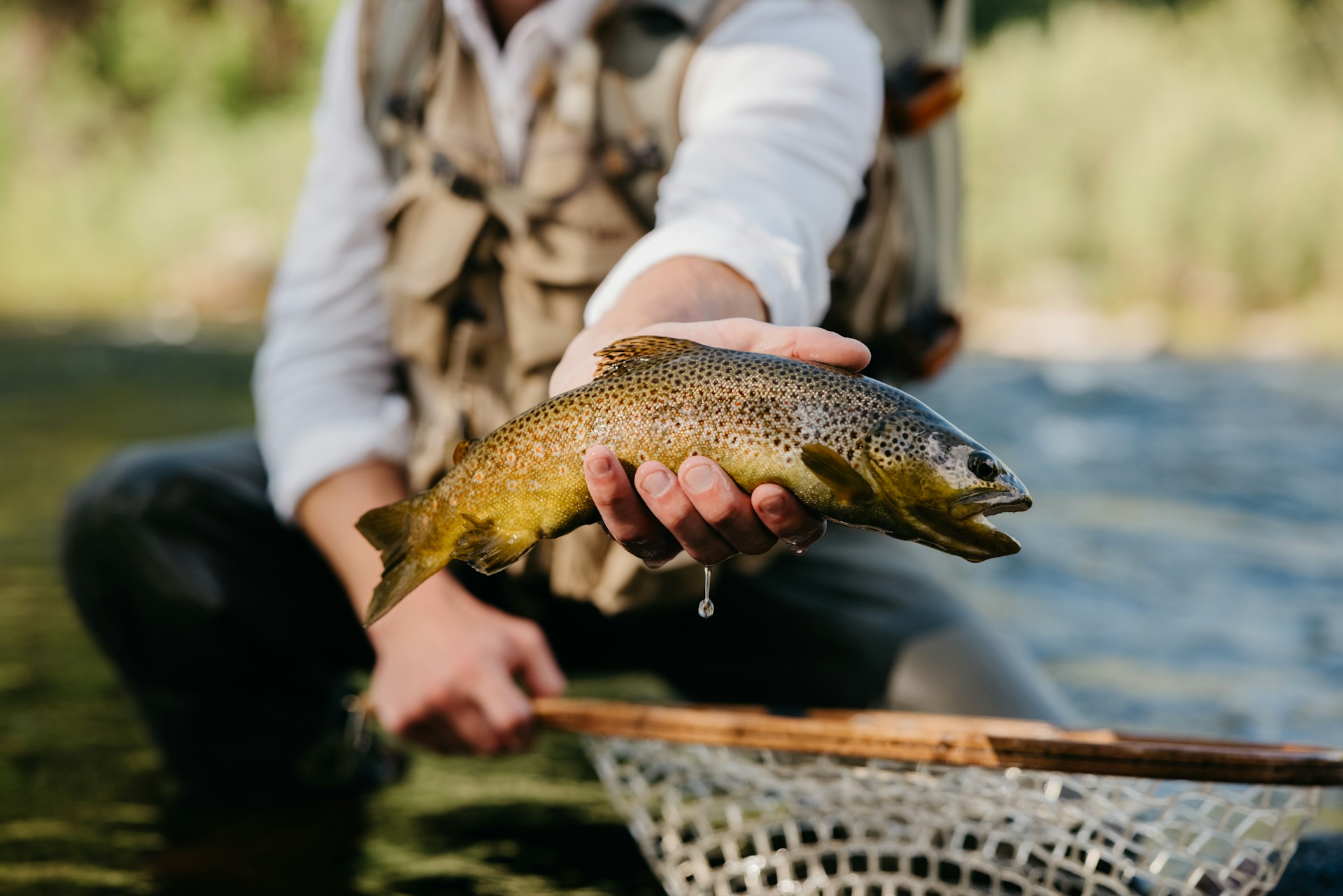
Fly fishing is most commonly associated with trout, but it works on a huge variety of species. Here's a quick overview:
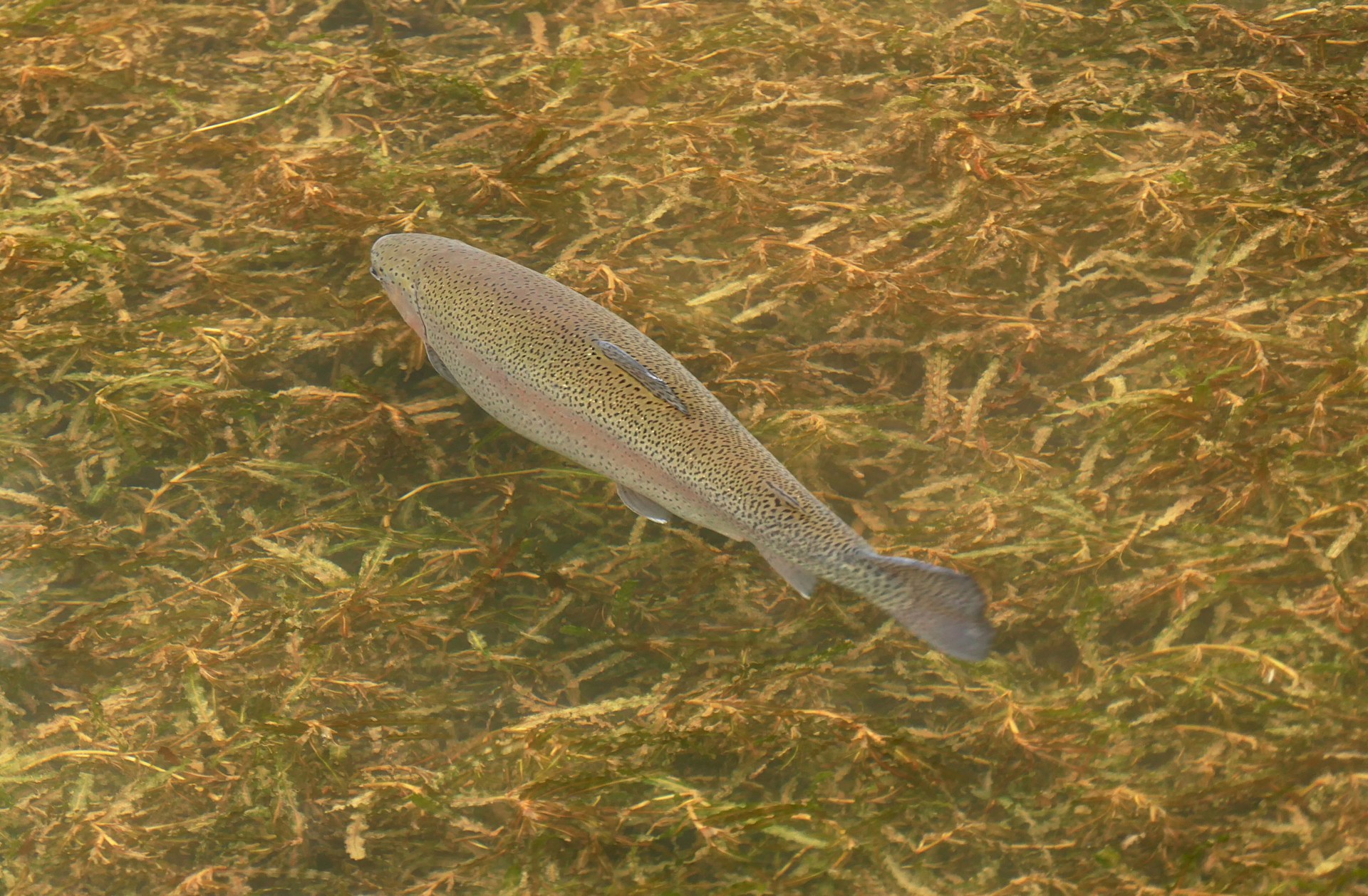
Trout (rainbow, brown, brook) — the traditional quarry. Found in cold, clear rivers and mountain streams on every continent except Antarctica. Trout are selective, challenging, and wonderful to catch on a dry fly.
Bass (largemouth, smallmouth) — aggressive, accessible, and great fun on a fly. Bass hit poppers and streamers hard and fight well. Ideal for beginners because they're less picky about presentation.
Carp — the "grey ghost." Carp on the fly is a growing discipline. They're incredibly challenging to stalk and present to, but their size and power make them a serious target.
Panfish (bluegill, crappie) — underrated and excellent for beginners. Panfish are everywhere, they're willing biters, and they pull hard for their size. Perfect for building casting and presentation skills.
Yellowfish (southern Africa) — hard-fighting, endemic to southern African river systems, and a prized target for SA fly anglers.
Saltwater species — bonefish, GT, trevally, permit, and many more. The frontier of fly fishing.
Reading the Water
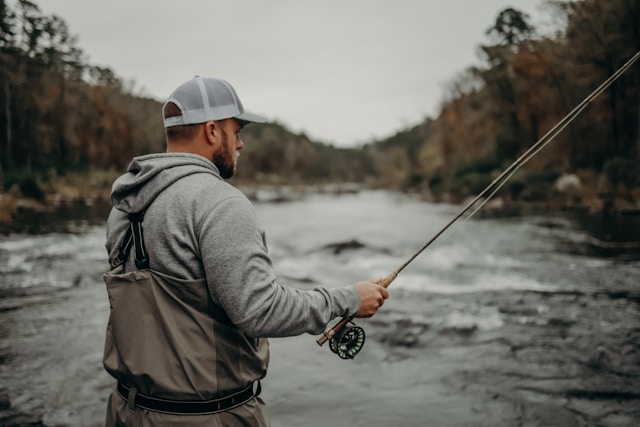
One of fly fishing's most rewarding skills is learning to read water — understanding where fish are likely to be holding based on the current, structure, and features of a river or lake.
Fish are efficient creatures. They position themselves where they can intercept food without expending too much energy fighting current. In a river, this typically means:
- Current seams — the line between fast and slow water, where food collects
- Behind structure — rocks, fallen trees, and bridge pylons create current breaks that fish use as ambush points
- Pool heads and tails — the entry and exit of a pool concentrate both oxygen and food
- Drop-offs — in still water, the transition from shallow to deep is a favourite holding area
With experience, you'll start walking up to a stretch of water and immediately identifying the most promising lies. It becomes instinctive — and it's one of the things that keeps fly fishing endlessly interesting.
→ Deep dive: Mastering the Art of Reading a Trout River: A Fly Fishing Guide
Common Beginner Mistakes to Avoid
A few mistakes come up again and again with new fly anglers. Being aware of them early saves a lot of frustration:
Rushing the backcast — the single most common casting mistake. The line needs time to straighten behind you before you start the forward cast. Slow down.
Lining the fish — casting directly over fish before presenting to them. Fish are alarmed by fly line overhead. Approach from downstream and cast to the side where possible.
Ignoring drag — a dry fly skating unnaturally across the surface because the current is pulling your line will rarely fool a fish. Learn to mend early.
Too much false casting — every extra false cast is a chance for something to go wrong and more time when your fly isn't on the water. Two or three false casts to extend line is usually all you need.
Buying too much gear too soon — it's tempting to load up, but start simple. One rod, one reel, one line, a small fly box. Add gear as your fishing develops and you understand what you actually need.
→ Deep dive: 10 Beginner Fly Fishing Mistakes to Avoid
🎣 See your progress clearly. A lot of beginners feel like they're not improving — but they are. Logging your sessions on Flyloops gives you a record of every outing: the flies you used, conditions on the day, fish caught. Looking back after 10 sessions, you'll be surprised how much you've learned. Start your free logbook →
Fly Fishing Ethics & Catch-and-Release
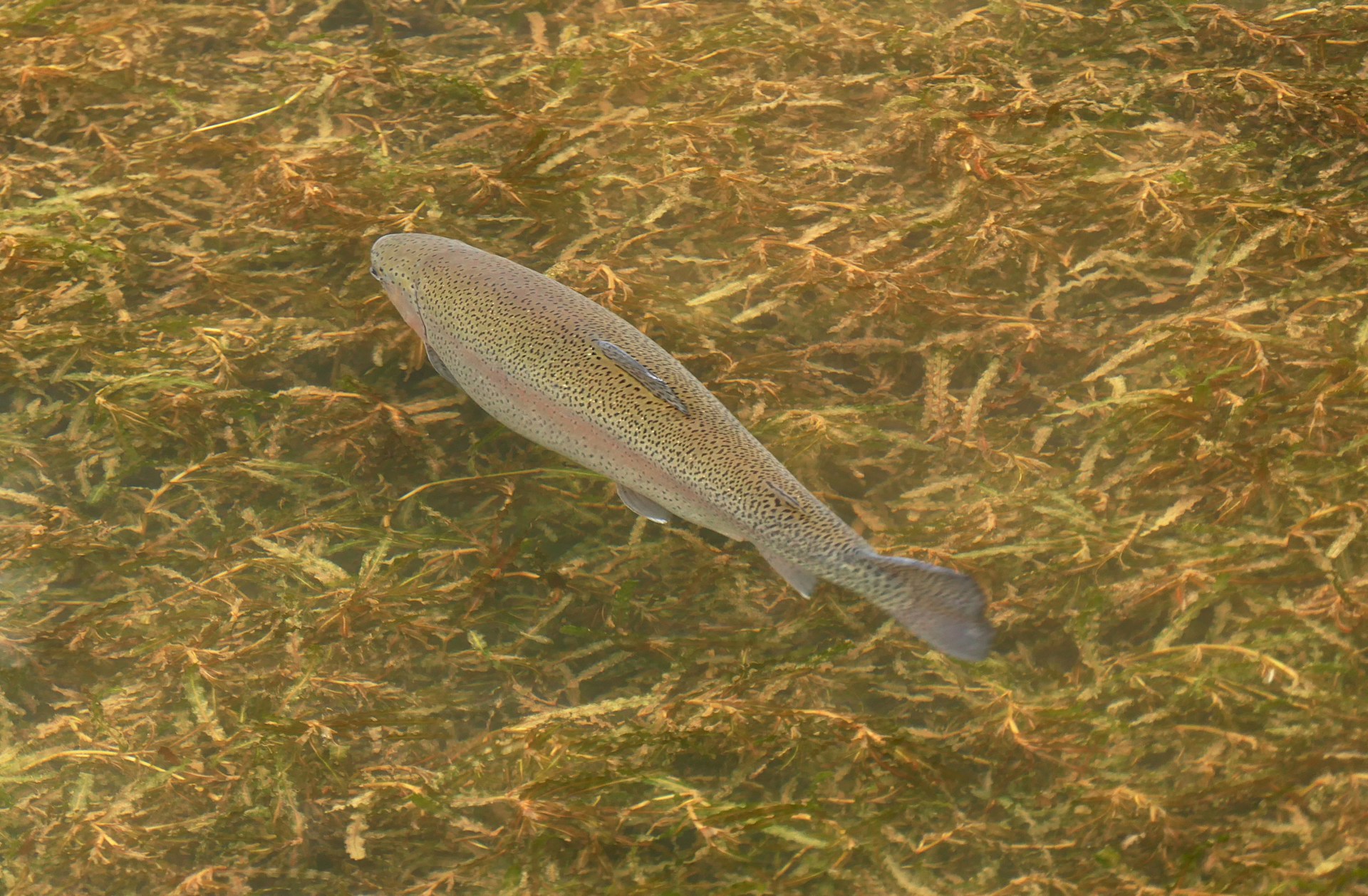
Fly fishing has a strong conservation ethic baked into its culture. Most fly anglers practice catch-and-release — returning fish unharmed so the fishery remains healthy for future generations.
Handling Fish Properly
- Wet your hands before touching a fish — dry hands remove the protective slime coat
- Minimise time out of the water — 30 seconds is plenty for a quick photo
- Support the fish horizontally — don't hold large fish vertically by the jaw
- Use a rubber-mesh net — it's far gentler on fish than nylon or cotton
Reviving a Fish Before Release
Hold the fish gently in the current, facing upstream, until it kicks and swims away under its own power. Don't just open your hand and let it sink — if it's exhausted, it needs time to recover.
Barbless Hooks
Many fly anglers crimp their barbs or buy barbless hooks. Barbless hooks make releasing fish faster and easier, and the hook-up rate is virtually identical to barbed hooks if you keep a tight line.
→ Deep dive: Fly Fishing Ethics: A Beginner's Guide to Responsible Angling
→ Also see: Mastering Catch and Release: Protect the Fishery, Revive the Fish
How Long Does It Take to Learn?
Here's the honest answer: you can catch fish on your first or second outing. The basics of casting, rigging, and presenting a fly are learnable in an afternoon. But fly fishing has essentially no ceiling — you can spend a lifetime improving.
Most beginners feel genuinely comfortable on the water after 5–10 sessions. After 20–30 sessions, the core skills become instinctive and you can start focusing on the more nuanced aspects — reading water, matching hatches, managing difficult currents.
A good fly fishing guide or casting instructor can compress this timeline significantly. Even a single session with a good teacher is worth months of self-teaching.
The most important thing: don't wait until you feel "ready." Get on the water. Make mistakes. Learn. That's the whole point.
Get Out and Practice
Start with a lawn or open park for casting practice — no water, no pressure, just you and the rod. Once your casting feels comfortable, find the nearest accessible piece of water and go. A local dam or slow-moving river is ideal for first outings.
Remember: even experienced fly anglers have days where nothing works. That's not failure — that's fly fishing. The days when it all comes together are sweeter for it.
Frequently Asked Questions
Is fly fishing hard to learn? The basics are accessible to anyone willing to put in a few hours of practice. Casting is the steepest part of the learning curve, but most people are catching fish within their first couple of outings. Mastery takes years — but enjoyment starts on day one.
How much does fly fishing cost to get started? A functional beginner setup — rod, reel, line, leader, tippet, a small fly selection, and waders — can be put together for $300–$600. You can spend more, but you don't need to. Mid-range gear from reputable brands is perfectly capable.
Can I teach myself to fly fish? Yes. Between online videos, articles like this one, and time on the water, self-teaching is very possible. That said, even one session with a qualified instructor will save you months of reinforcing bad habits.
Do I need a licence to fly fish? In most regions, yes. Licencing requirements vary by country, region, and type of water (private vs public, catch-and-release vs retain). Always check local regulations before you fish.
What's the best fish to target as a beginner? Bass and panfish (bluegill, perch) are fantastic for beginners — they're accessible, forgiving of imperfect presentations, and fight well. Trout are the traditional starting point and are widely stocked in rivers and lakes. Start with whatever is most accessible to you.
Is fly fishing only for rivers? Not at all. Fly fishing works in rivers, lakes, dams, estuaries, and the ocean. Still water and saltwater fly fishing each have their own techniques and rewards.
What's the difference between fly fishing and spin fishing? In spin fishing, the weight of the lure carries the line. In fly fishing, the weight of the fly line carries the nearly-weightless fly. Fly fishing is generally more technique-driven, more focused on imitating natural food sources, and widely considered more challenging — which is a big part of why people love it.
Ready to start tracking your sessions and building your fly fishing knowledge? Create your free Flyloops logbook — available on web, iOS, and Android.