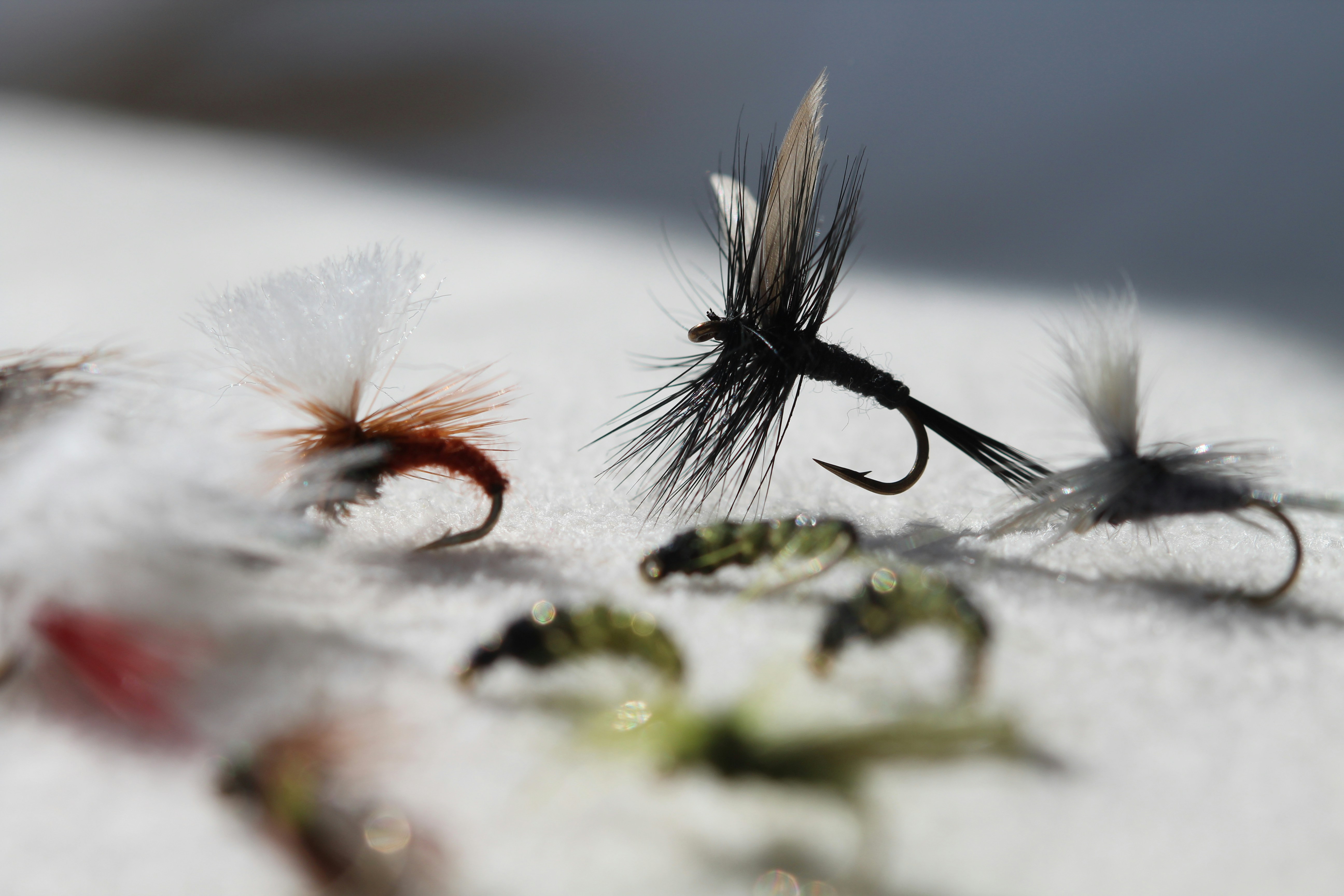
Understanding the Different Types of Flies
Fly fishing can seem intimidating for beginners, especially when faced with the vast array of flies available. However, mastering the fundamentals of fly selection and presentation is key to becoming a more successful angler. In this guide, we'll break down the essential fly patterns and share expert tips to help you choose the right flies and fish them effectively.
Dry Flies

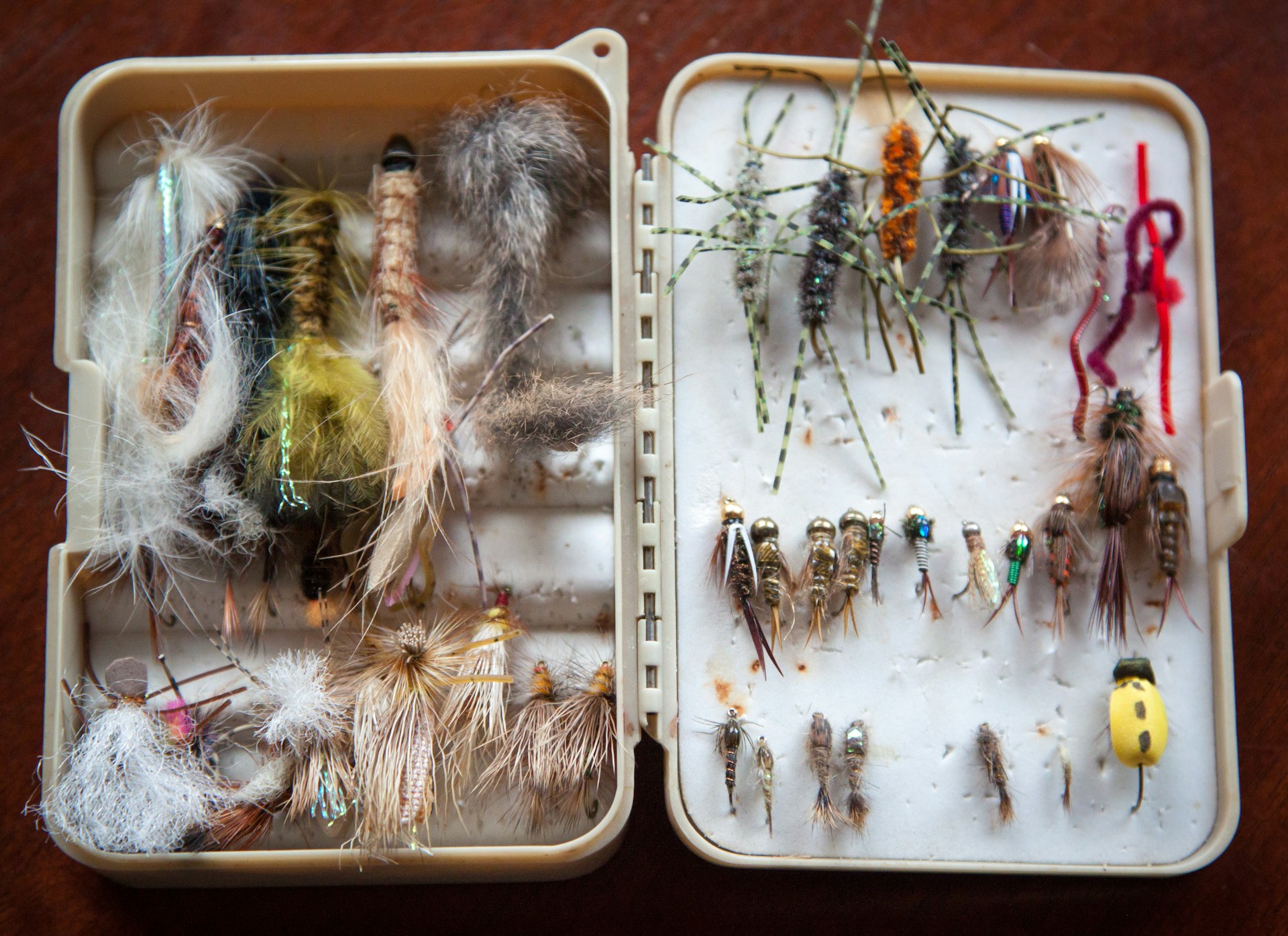
Dry flies are designed to float on the surface of the water, imitating insects that have hatched and are now flying or resting on the water. These are often the first flies new anglers will try, as they are visually engaging and relatively straightforward to fish. Some popular dry fly patterns include the Parachute Adams, Royal Wulff, and Elk Hair Caddis.
Nymphs
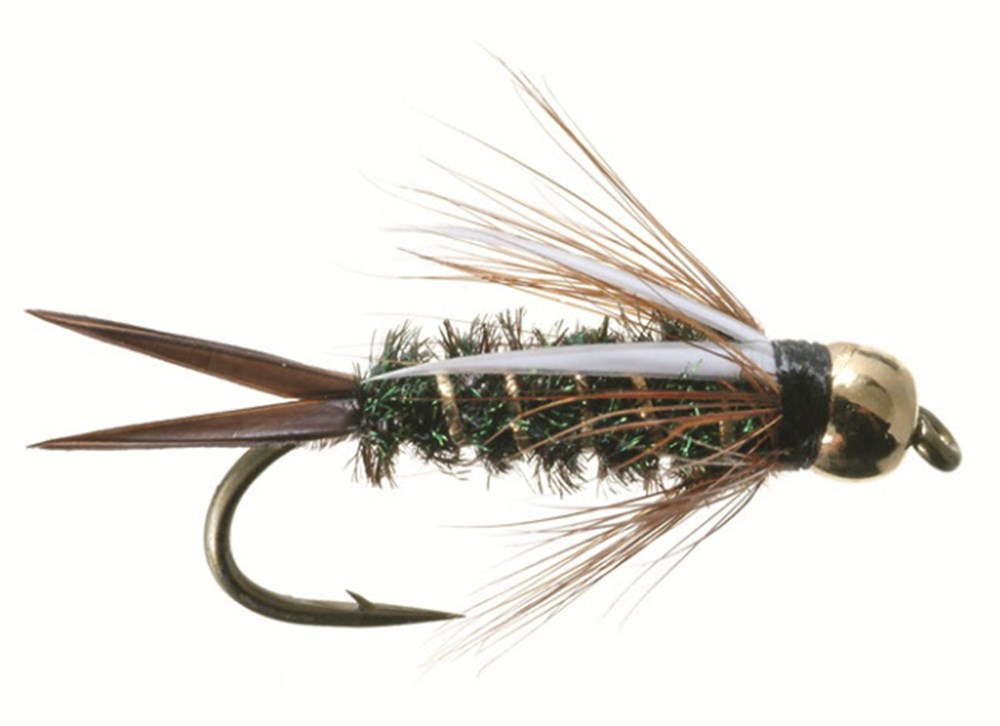
Nymphs imitate the underwater, immature stages of aquatic insects. These patterns are fished below the surface, either suspended under an indicator or as part of a "dropper" rig. Effective nymph patterns include the Pheasant Tail, Hare's Ear, and Copper John.
Streamers
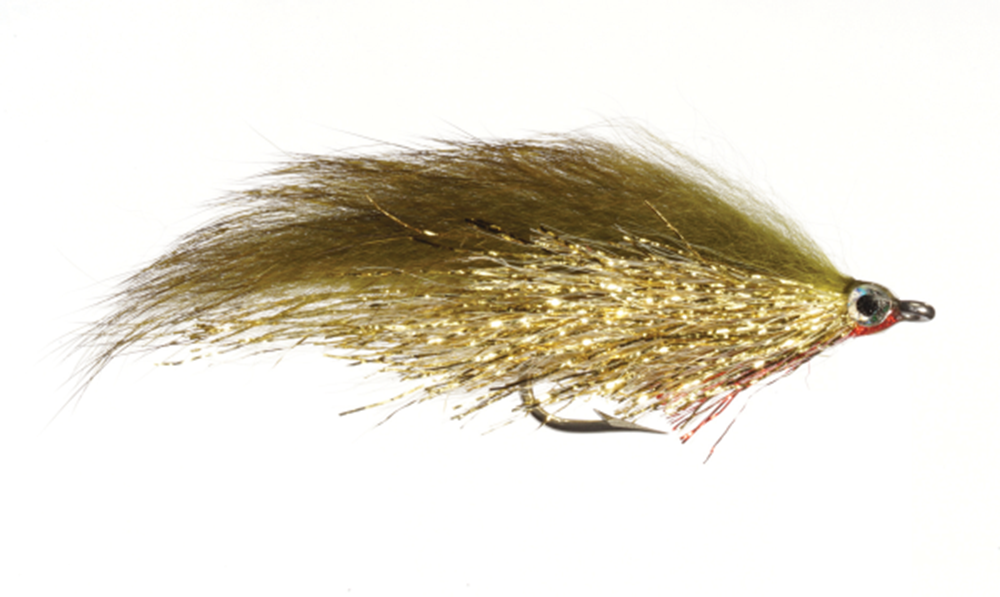
Streamers are larger, more aggressive fly patterns that imitate baitfish, leeches, or other prey. These flies are often fished with a stripped or jerking retrieve to trigger strikes from predatory fish. Classic streamer patterns include the Woolly Bugger, Muddler Minnow, and Clouser Minnow.
Emergers
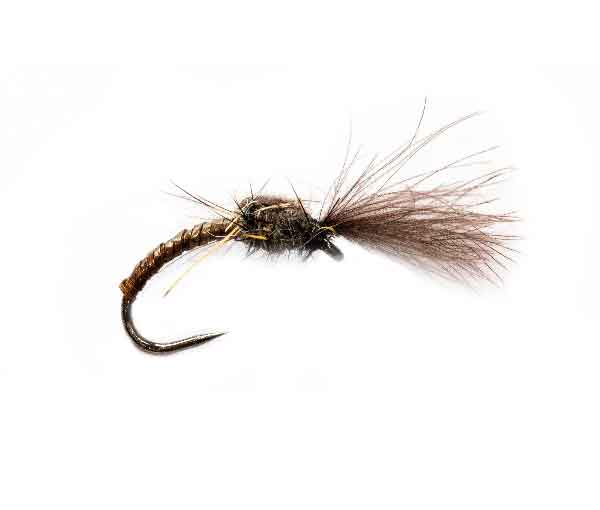
Emerger patterns represent insects that are in the process of hatching and breaking through the surface film. These flies are often fished just under the surface or in the film itself. Examples include the CDC & Elk, Klinkhamer, and Comparadun.
Fly Fishing Presentation Techniques
Choosing the right fly is only half the battle - effectively presenting the fly to the fish is equally important. Here are some key presentation techniques to master:
- Drag-free drift: Maintaining a natural, uninterrupted drift of the fly is crucial for dry flies and emergers. Use careful mending and line control to achieve this.
- Tight line nymphing: When fishing nymphs, keep a tight line to detect subtle takes and ensure proper fly movement.
- Stripping streamers: Use a mix of short, sharp strips and pauses to make streamers dart and pause, imitating the movement of baitfish.
Remember, the key to success in fly fishing is continuous learning and experimentation. Try different fly patterns and presentation techniques until you find what works best in your local waters. And don't forget to log your catches in the Flyloops app to track your progress and identify productive patterns.