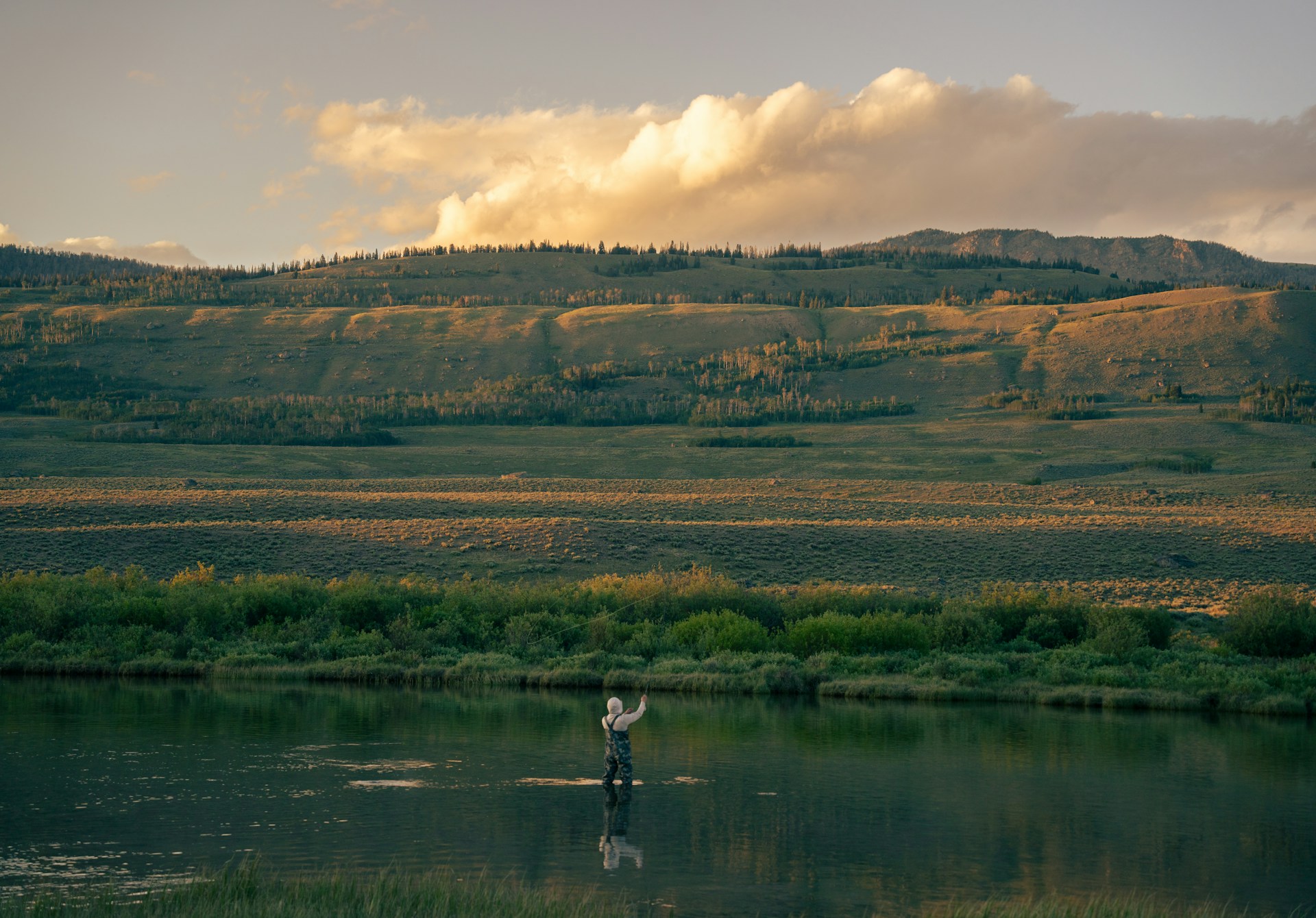
How to Read Water for Fly Fishing: The Complete Guide
Estimated read time: 15 minutes
Reading water is the skill that separates consistently successful fly anglers from those who fish hard and wonder why results are inconsistent. It's the ability to look at a stretch of river, a stillwater, or a saltwater flat and immediately identify where fish are likely to be — and why.
It's not magic. It's pattern recognition built on a few simple principles about how fish think, where they find food, and what they need to survive. Once you understand those principles, you start seeing productive water everywhere.
This guide covers reading water across all three environments: rivers and streams, stillwater lakes and dams, and saltwater flats and coastline. Each has its own logic, its own features to look for, and its own challenges. Master the principles in this guide and you'll approach any new piece of water with confidence rather than guesswork.
Table of Contents
- Why Reading Water Matters
- How Fish Think: The Fundamentals
- Reading Rivers and Streams
- Key River Features and Where Fish Hold
- Reading Still Water
- Key Stillwater Features and Where Fish Hold
- Reading Saltwater
- Key Saltwater Features and Where Fish Hold
- How Conditions Affect Where Fish Are
- Building Your Water-Reading Instinct
- Frequently Asked Questions
Why Reading Water Matters
Most fly anglers spend the majority of a session fishing unproductive water. Not because they're doing anything wrong technically — their casting is fine, their fly selection is reasonable — but because the fish simply aren't where they're fishing.
Reading water solves this problem. It's not about fishing harder; it's about fishing smarter. An angler who can identify the three most productive lies in a pool before making a cast will consistently outfish an angler who covers the whole pool indiscriminately, even if the second angler fishes twice as many hours.
The good news is that the principles behind reading water are logical and learnable. Fish aren't randomly distributed — they're where they are for specific reasons. Once you understand those reasons, productive lies become obvious.
How Fish Think: The Fundamentals
Before getting into specific features, it helps to understand the simple logic that governs where fish position themselves. Almost every water-reading principle flows from these three needs:
Food
Fish need to eat. In rivers, most food — insects, crustaceans, small fish — is delivered by the current. Fish position themselves where the current brings food to them without requiring them to expend excessive energy fighting it. In stillwater, fish actively patrol for food rather than waiting for it to arrive. In saltwater, tidal flow and structure concentrate prey.
Energy Conservation
Fish are efficient creatures. A trout holding in fast current burns more energy than it gains from the food available there. Fish instinctively seek positions where they can intercept food with minimal energy expenditure — current breaks, eddies, and slower water adjacent to feeding lanes.
Safety
Fish are prey as well as predators. They need shelter from larger predators — overhead cover, depth, structure — while still maintaining access to food. The best lies satisfy all three needs simultaneously: shelter, access to food, and minimal energy cost.
The key insight: the best fish lies are where these three needs overlap. A current break directly adjacent to a food-delivering current seam, with some depth or cover overhead — that's a prime lie. Learn to identify these intersections and you'll find fish.
Reading Rivers and Streams
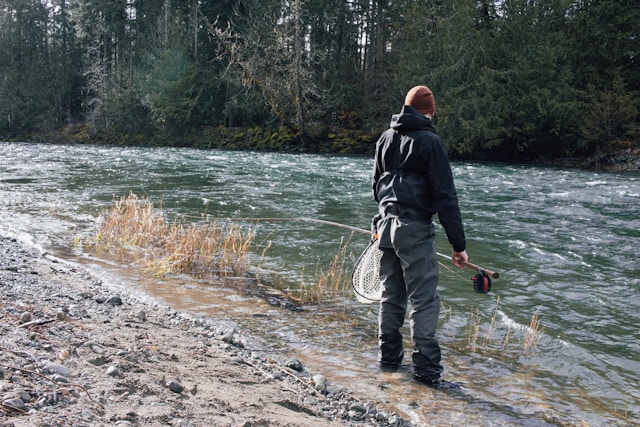
Rivers are the most complex water-reading environment — current, depth, structure, and substrate all interact to create an endlessly varied set of conditions. But they're also the most logical: current controls everything, and once you understand how current moves and where it concentrates food, rivers become readable.
Understanding Current
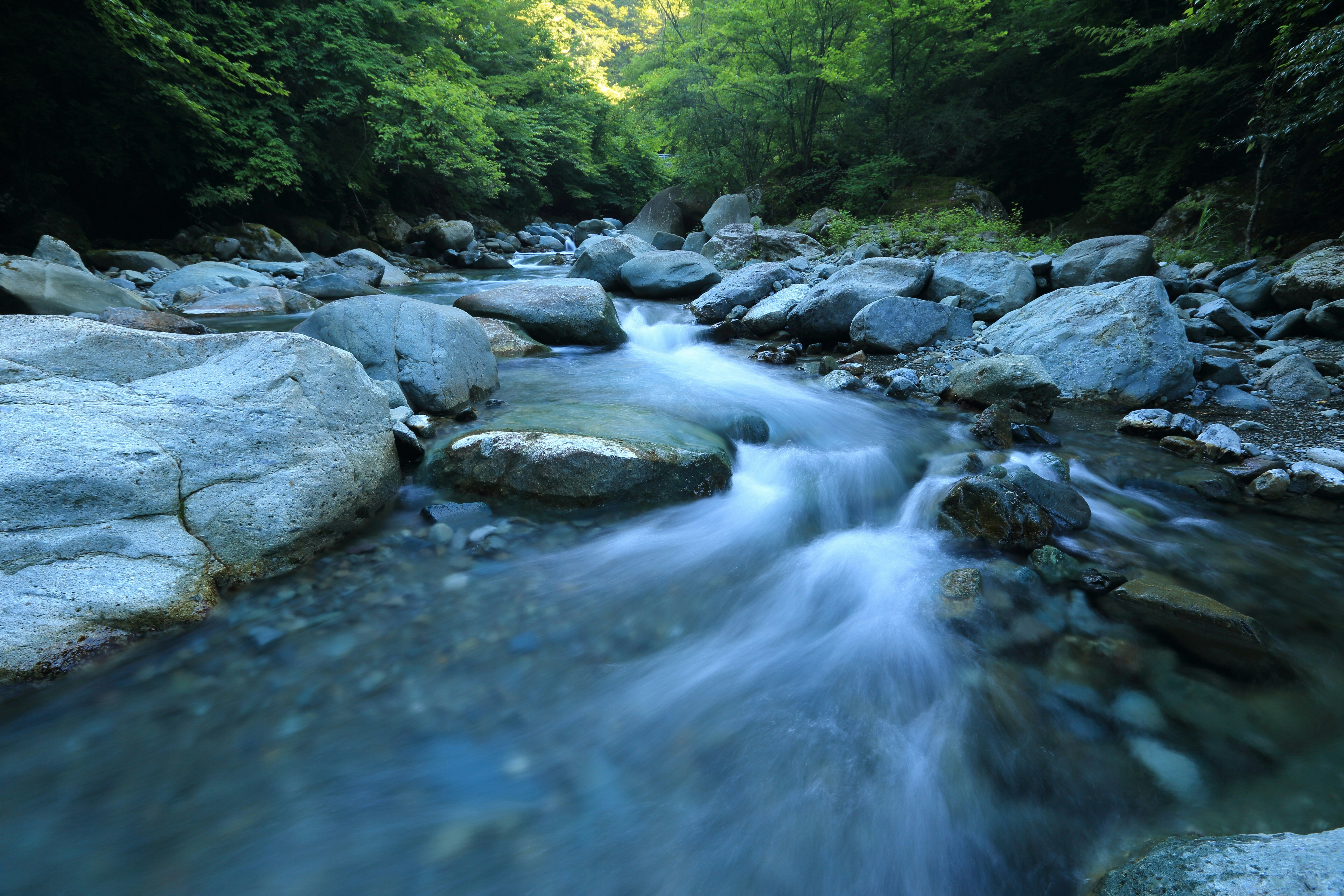
Current is not uniform. Even in a straight, apparently simple river channel, current speed varies enormously — fast in the centre, slow near the banks, complex around any obstruction. These variations create the features that concentrate fish.
The surface tells you a lot. A glassy, smooth surface indicates deep, slow water below — a pool. Broken, rippled surface indicates shallow, fast water — a riffle. A visible crease or seam on the surface marks where fast and slow water meet — one of the most reliable indicators of a feeding lie.
Read the bottom, not just the surface. The shape of the riverbed controls the current above it. A submerged boulder creates a current shadow behind it even if you can't see the rock. A gravel bar deflects current. A deep undercut bank indicates slow, sheltered water. Train yourself to infer what's below from what you can see above.
The Anatomy of a Pool
Most productive river fishing happens in and around pools — the deeper, slower sections between riffles. Understanding pool anatomy gives you an immediate framework for prioritising where to fish.
The pool head: where fast riffle water tumbles into the slower pool. Highly oxygenated, food-rich, and a classic feeding lie for active fish. Often the most productive part of a pool. Fish holding here are typically feeding aggressively.
The pool body: the deep, slow midsection. Fish rest here between feeding bouts, particularly large fish that need depth and shelter. Less productive for active feeding but worth targeting with deep nymphs or streamers — especially for larger fish.
The pool tail: where the pool shallows and speeds up before the next riffle. Glassy, clear, shallow water that concentrates feeding fish — particularly for dry fly fishing. The tail is often the most technically demanding part of the pool: fish are visible, selective, and easily spooked by poor presentation or approach.
Key River Features and Where Fish Hold
Current Seams
The seam — the visible line between fast and slow water — is the single most reliable indicator of a feeding lie in a river. Fish hold on the slow side of the seam, where they expend minimal energy, and tip into the fast side to intercept food drifting past.
Look for seams wherever fast and slow water meet: along river banks, behind boulders, at the edges of weed beds, where two currents merge. Cast so your fly drifts along the seam, not across it.
Behind Boulders and Obstructions
Any obstruction in the current creates a hydraulic shadow — a zone of reduced current immediately downstream. Fish use these shadows as resting and feeding stations: shelter from the main current with a front-row position to intercept food drifting around the obstruction.
The downstream shadow is obvious. Less obvious — and often more productive — is the upstream cushion: a small zone of slow, compressed water directly in front of a boulder where the current splits. Large fish often hold here, with the boulder as a visual reference and the current cushion providing shelter.
Undercut Banks
Undercut banks — where the current has eroded beneath the bank, creating an overhang — are among the most productive lies in any river. They offer overhead cover from predators, shade, shelter from current, and a prime position to intercept terrestrial insects falling from bankside vegetation.
Large, wary fish — particularly brown trout and bass — favour undercut banks. They're also among the most difficult lies to present to effectively, since the fish are tucked under the overhang and a direct presentation is impossible. Cast upstream and allow the fly to drift under the bank, or approach from downstream and present at an angle.
Riffles
Shallow, fast, broken water — riffles are often overlooked by anglers in favour of the more obvious pool. This is a mistake. Riffles are extremely productive, particularly for nymphing: the fast, turbulent water concentrates food, the broken surface disguises leader and tippet from fish, and trout feed actively in riffles throughout the day rather than just during hatch periods.
Fish in riffles hold in the deepest available water — behind submerged rocks, in any slight depression or channel in the riverbed. They're harder to spot from the bank but are present in most productive riffles.
Pocket Water
Found in steeper, faster rivers — pocket water is the collection of small pools, eddies, and current breaks created by a jumble of large boulders. Each pocket is a potential lie: the combination of shelter, oxygenation, and food delivery makes pocket water some of the most fish-rich habitat in any river.
Fishing pocket water requires short, accurate casts and quick drag-free drifts — the complexity of currents in pocket water means a fly drifts cleanly for only a second or two before drag sets in. Cover each pocket thoroughly and move quickly.
Confluences
Where a tributary joins the main river, or where two currents merge, food concentrates. The mixing of currents creates an extended seam, and the nutrient-rich tributary water often brings additional food. Fish stack up at confluences, particularly where the tributary enters at an angle that creates a sheltered eddy.
Deep Runs
Long, moderately fast sections of river with consistent depth — runs are less dramatic than pools but often hold large numbers of fish. The current is steady enough to deliver food continuously, the depth provides security, and the consistency of conditions makes fish easier to locate than in complex pocket water.
Nymphing is the most productive approach in runs: fish hold near the bottom in the slower water at the edges of the main current, intercepting nymphs drifting past.
→ Deep dive: Mastering the Art of Reading a Trout River: A Fly Fishing Guide
Reading Still Water
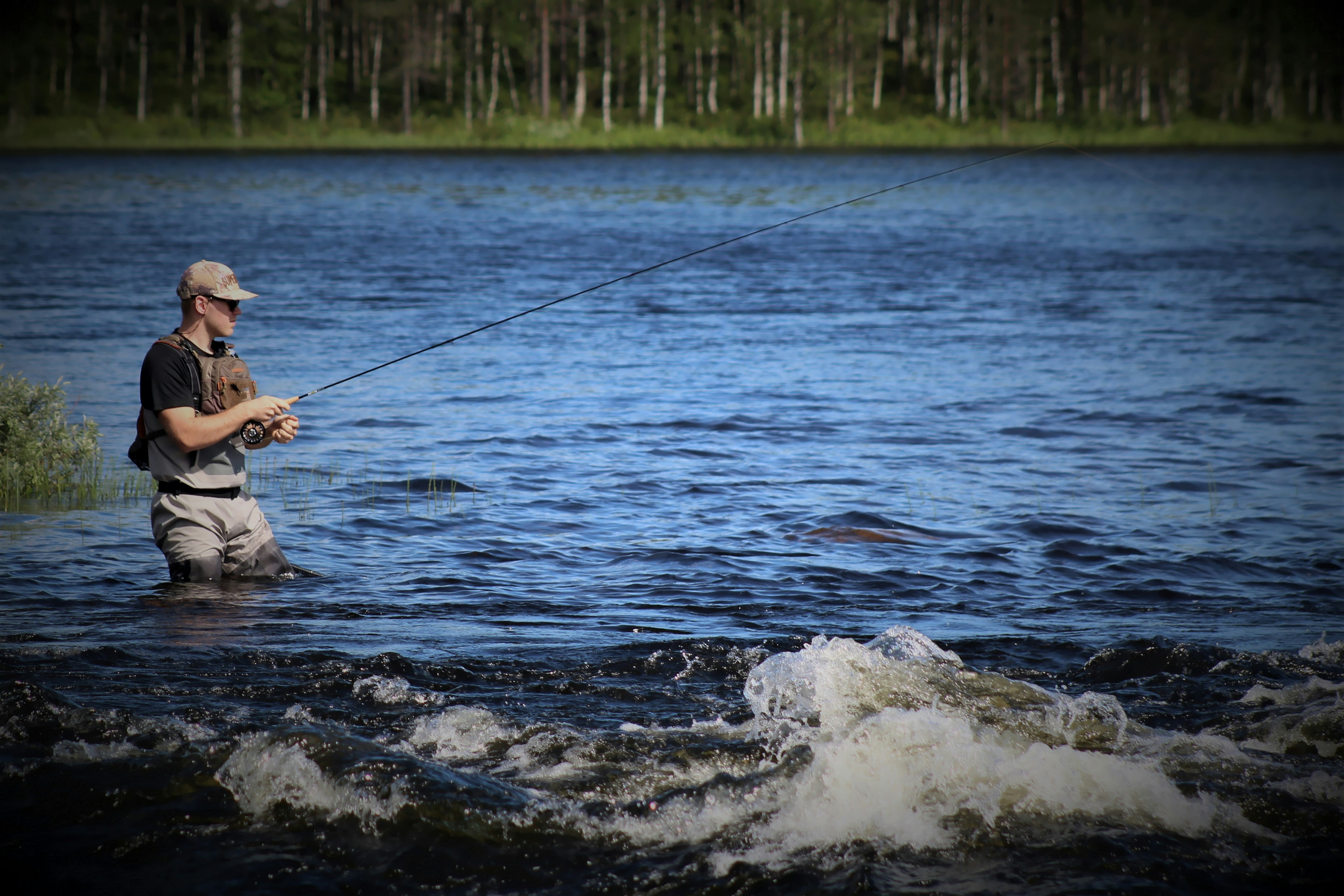
Stillwater presents a fundamentally different challenge to rivers. Without current to position fish predictably, fish in lakes and dams are mobile — they patrol, hunt, and move with conditions in ways that river fish don't. Reading stillwater is less about finding specific lies and more about identifying the zones where fish are most likely to be at a given time.
The Stillwater Mindset
In a river, the current brings food to the fish. In a stillwater, the fish must go to the food. This makes stillwater fish more active and more mobile than river fish — they cruise, following food sources around the lake rather than holding in fixed positions.
The key to reading stillwater is understanding where food concentrates — and being there when fish arrive to feed on it.
Depth and the Thermocline
In summer, lakes stratify into temperature layers. The surface layer (epilimnion) warms and becomes oxygen-depleted in hot weather. A colder, denser layer (hypolimnion) sits below. Between them, the thermocline — a zone of rapid temperature change — is where oxygen, food, and fish concentrate in warm conditions.
The thermocline depth varies by lake and season. In practical terms: in hot summer conditions, fish are rarely at the surface or near the bottom — they're at intermediate depth. An intermediate or slow-sinking line that keeps your fly at the right depth is worth more than any fly selection decision.
Key Stillwater Features and Where Fish Hold
Drop-offs and Depth Changes
The transition from shallow to deep water — a submerged ledge, the edge of a flat, a sudden depth change — is the most reliable fish-holding feature in stillwater. Fish patrol these edges: they move into the shallows to feed, retreat to depth when threatened or in bright conditions, and use the drop-off as a reference point for navigation.
Cast parallel to the drop-off and retrieve along it rather than across it. This keeps your fly in the productive zone for the full length of the retrieve.
Weed Beds
Aquatic vegetation is a food factory — it harbours invertebrates, shelters small baitfish, and provides cover for predators. Fish feed actively along weed bed edges and in gaps within the weed. The edge between open water and weed is as productive in a stillwater as a current seam is in a river.
Fish the edges and gaps, not the dense weed itself. A fly that lands in thick weed is inaccessible to fish and will foul immediately.
Inlet Streams
Where a stream or river enters a lake, it delivers oxygenated, food-rich water. Fish congregate near inlets — particularly in summer when oxygen levels in the main lake are reduced, and in spring when rising water temperatures draw fish toward the warmer, more active inlet flow.
Inlet areas are often the first place fish move to after a drought breaks or in early morning when oxygen is lowest in the main lake.
Windward Shores
Wind pushes surface water — and with it, surface food — toward the windward shore. Insects blown onto the water, surface scum lines concentrating emergers, and drifting zooplankton all accumulate on the windward bank. Fish follow the food.
On windy days, position yourself to fish the windward shore. The waves and surface disturbance also reduce fish wariness, making a less-than-perfect presentation acceptable.
Points and Headlands
Rocky or vegetated points extending into the lake concentrate fish for two reasons: they're often associated with drop-offs, and they break the current (such as it is in still water), creating a subtle eddy on the lee side where food accumulates. Fish patrol around points, and a fly cast off the end of a point and retrieved along the edge is in productive water throughout the retrieve.
Shallow Flats
In spring and early morning, fish move onto shallow flats to feed — on emerging insects, small invertebrates, and in warm-water species, frogs and surface prey. Sight fishing on shallow flats — polarised glasses, slow approach, casting to visible fish — is one of the most exciting forms of stillwater fly fishing.
In bright, warm conditions, fish vacate the flats by mid-morning and retreat to deeper water. Be on the flats early.
Reading Saltwater
Saltwater fly fishing introduces tidal movement as the primary driver of fish behaviour — the equivalent of current in a river. Understanding the tide is the foundation of reading saltwater.
Understanding Tidal Flow
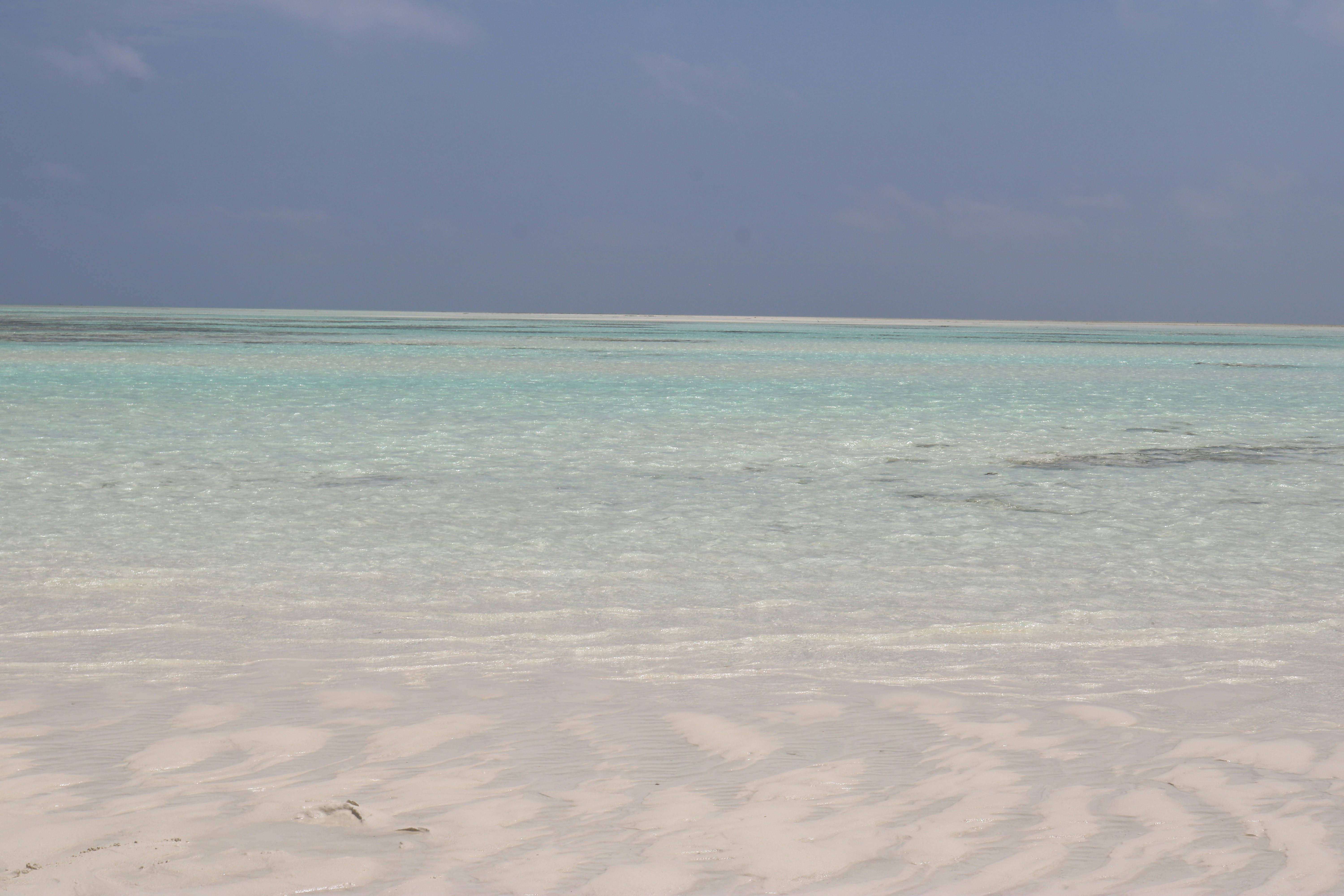
Tidal movement drives everything in saltwater. A rising tide floods shallow flats and estuaries, pushing baitfish and crustaceans onto the flat as fish follow them in. A falling tide drains the flat, concentrating fish at the edges, in channels, and at drain points as water retreats.
The most productive tidal periods vary by location but the general principle holds: fish are most active and most accessible when tidal movement is creating flow — either flooding or ebbing. Slack water (high and low tide) is typically less productive.
Read a tide chart before you fish. Knowing when the tide turns, how large the tidal movement is, and which direction flow is running tells you more about where fish will be than almost any other piece of information.
The Flat
Tidal flats — shallow, sandy or muddy areas flooded by the tide — are the quintessential saltwater fly fishing environment. Bonefish, permit, and various other species feed on flats, rooting through the substrate for crustaceans and small invertebrates.
Reading a flat: look for depth changes — slightly deeper channels, edges, holes — where fish congregate as the flat drains. Look for tailing fish — the distinctive waving tails of fish feeding head-down in the substrate. Look for nervous water — the subtle disturbance on the surface created by fish moving below.
Approach: always approach into the current or wind, moving slowly and watching ahead. Most of the time on a flat is spent watching, not casting. A rushed approach destroys the fishing; a careful, observant approach puts you in range of fish you'd never have found otherwise.
Channels and Gutters
As tidal flats drain, water concentrates in channels and gutters — natural depressions that drain the flat as the tide falls. Fish stack in these channels, both to intercept prey being washed off the flat and to use the depth for shelter.
Cast across the channel and retrieve with the flow, or position at the edge and present to fish moving through. Channels are often the most productive location on a falling tide.
Estuaries and River Mouths
Where rivers meet the sea, tidal and freshwater flow interact to create complex, rich environments. Nutrients from the river combine with tidal movement to concentrate baitfish and the predators that follow them. Kob, garrick, bass, and many other species feed actively in estuaries and river mouths — particularly on the tide change.
Key features in estuaries: the main channel edges, where deep and shallow water meet; drop-offs near the river mouth; points and bends where current accelerates; shallow banks flooded on the incoming tide.
Surf and Rocky Coastline
Reading surf and rocky coastline is about understanding how wave action and current concentrate baitfish. Gutters running parallel to the beach — visible as darker water between sand banks — are highways for fish moving along the coast and feeding on prey disturbed by wave action. Points, headlands, and rocky outcrops create current acceleration and eddies that concentrate food and attract predators.
Fish the structure: a rock point with current running across it, a gutter between two sand banks, a submerged reef creating surface turbulence — these are the features that concentrate fish in inshore saltwater.
Reading the colour: water colour tells you about depth and bottom type. Dark blue/green indicates depth; light green or brown indicates sand or weed bottom in shallow water. Fish the transition zones between colours — these are where depth changes occur.
How Conditions Affect Where Fish Are
Reading water is not static — the same stretch of river or piece of stillwater fishes differently depending on conditions. Understanding how key variables shift fish location makes you adaptable rather than relying on a fixed mental map.
Water Temperature
Temperature is the most important variable in freshwater. In cold water, fish retreat to the deepest, slowest water available — their metabolism is slow and they're conserving energy. As temperature rises into the prime feeding range, fish spread out and become active. In excessive heat, fish seek cool, oxygenated water — near springs, in riffles, at inlet streams.
Carry a stream thermometer. Ten seconds of measurement tells you more about where fish will be than ten minutes of observation.
→ Also see: Mastering Trout Behavior: How Water Temperature Affects Your Fly Fishing Success
Water Level and Clarity
High water: fish move out of the main current into slower water near the banks, into flooded margins and backwaters. Familiar lies disappear and new ones appear. Streamer fishing becomes more productive as visibility is reduced and fish respond to movement and vibration rather than precise imitation.
Low water: fish concentrate in the deepest available water — pool bodies, channels, deep runs. They're more visible but also more wary in the exposed, clear conditions. Finer tippet, smaller flies, and more careful approach are required.
Coloured water: reduces visibility for both angler and fish. Larger, darker flies that create a strong silhouette and vibration are more effective than precise imitations. Fish move shallower and closer to banks in coloured water.
Light and Time of Day
Fish are most active in low-light conditions — dawn, dusk, and overcast days. In bright midday light, fish retreat to shade, deeper water, and cover. Understanding this shapes where you look at different times of day:
- Dawn: fish on shallow flats, in riffles, at pool tails — wherever they've moved to feed in low light
- Midday: fish in deep pools, under undercut banks, in shade — wherever they can shelter from light and heat
- Dusk: fish return to shallower feeding lies — pool tails, weed edges, flats
Weather and Barometric Pressure
Falling barometric pressure — the approach of a weather system — often triggers feeding activity as fish sense the change. Rising pressure after a cold front can shut feeding down for 24–48 hours. Overcast, stable conditions often produce the most consistent feeding.
→ Also see: The Barometric Pressure Puzzle: How Weather Affects Fly Fishing Success
Building Your Water-Reading Instinct
Reading water well is ultimately a skill built through observation — on the water and off it. A few habits that accelerate the process:
Watch Before You Cast
The most common mistake: arriving at a piece of water and immediately starting to fish. Spend five minutes watching first. Look for rising fish, visible movement, hatch activity. Identify the features described in this guide. Form a hypothesis about where fish are before making your first cast.
This habit alone will improve your catch rate immediately — and it becomes instinctive with practice.
Fish New Water Deliberately
When fishing unfamiliar water, resist the urge to cover everything quickly. Work through a piece of water systematically, targeting each feature in turn and spending enough time on each to draw a conclusion. Build a mental map of what produced and what didn't. Over several visits the picture becomes detailed.
Observe Without a Rod
Some of the best water-reading learning happens when you're not fishing. Walk a river and watch the current. Sit on a dam wall and watch where fish rise. Watch how the tide moves across a flat. You'll notice things you miss when focused on casting and presentation.
Log Your Sessions
Recording where fish were caught — which lies, which features, in what conditions — is the most efficient way to build a detailed understanding of your home water over time. Patterns that are invisible from a single session become clear after ten or twenty.
→ See our guide to keeping a fly fishing logbook for how to make the most of your session data.
Learn From Every Blank
A day without fish is still full of information. Where did you fish? What were the conditions? What did you try? What features did you target? If fish weren't where you expected, why not — what conditions might have moved them elsewhere? Active reflection on unsuccessful sessions teaches water reading faster than passive repetition.
🎣 Build your knowledge of every piece of water you fish. Logging conditions, locations, and catch data on Flyloops across multiple sessions transforms isolated days into a cumulative map of your water — which lies produce in which conditions, how seasonal changes shift fish location, where the fish are when conditions change. Start your free logbook →
Frequently Asked Questions
What does "reading water" mean in fly fishing? Reading water means interpreting the physical features of a river, lake, or coastal environment to identify where fish are likely to be holding and feeding. It draws on an understanding of how fish balance their need for food, energy conservation, and safety — and how the physical environment (current, depth, structure, temperature) creates positions that satisfy all three. It's one of the most valuable skills in fly fishing and improves significantly with experience and deliberate observation.
How long does it take to learn to read water well? Basic water reading — identifying pool heads, current seams, and obvious structure — is learnable in a few sessions with deliberate attention. Reading water instinctively across varied environments takes years of experience. The process never really ends: every new piece of water presents new puzzles, and experienced anglers are still learning from unfamiliar water throughout their fishing lives.
What is the most productive part of a river to fish? Current seams — the line between fast and slow water — are the single most reliable indicator of a feeding lie in a river. Pool heads and pool tails are also consistently productive. That said, the most productive feature varies by conditions: in high water, bank edges and backwaters hold fish; in low, clear water, deep pool bodies and undercut banks become more important.
Where do fish go in a river when water levels are high? In high water, fish vacate the main current — which becomes too fast to hold in — and seek slower water near the banks, in flooded margins, behind large boulders, and in backwaters. Familiar lies disappear. Look for any area of significantly slower water adjacent to the main river: fish will stack there until levels drop.
What is the best time of day to fish a river? Early morning and evening are consistently most productive in rivers — particularly for dry fly fishing. The first two hours after dawn and the last two before dark offer low light, cooler temperatures, and peak insect activity. That said, hatch timing varies and can produce excellent fishing at any time of day regardless of light levels.
How do I read water in a lake or dam? Focus on structure and depth changes rather than current. Drop-offs from shallow to deep water, weed bed edges, inlet streams, windward shores, and rocky points are the most reliable fish-holding features in stillwater. Time of day matters significantly: fish are in the shallows in low light and early morning, retreat to deeper water in bright midday conditions.
Does water colour tell you anything useful? Yes. In rivers, clarity tells you how cautious your approach and presentation need to be — crystal clear water demands fine tippet, careful wading, and precise presentation; coloured water allows a more aggressive approach with larger flies. In saltwater, colour indicates depth and bottom type, helping you identify drop-offs and structure from a distance.
How important is polarised eyewear for reading water? Essential. Polarised lenses cut surface glare and allow you to see into the water — fish, bottom structure, depth changes, and current features that are invisible without them. Reading water without polarised glasses is like trying to read a page through frosted glass. It's also a safety item for wading: seeing the bottom clearly prevents missteps in fast water.
Understanding your water better session by session is what separates good anglers from great ones. Log your observations and catches on Flyloops — free on web, iOS, and Android.