How to Read a Stillwater: The Complete Guide to Lakes, Dams and Reservoirs
Estimated read time: 12 minutes
Stillwater fly fishing confounds a lot of anglers who've learned their craft on rivers. On a river, the current does half the work — it positions fish predictably, delivers food to them, and gives you a clear framework for where to cast. Walk up to a new river and within a few minutes you can identify the most likely lies.
Walk up to a new lake and it can feel like guesswork. The fish could be anywhere. The water looks the same everywhere. There's no obvious current, no visible seams, no pool heads or tails to target. Where do you even start?
The answer is that stillwaters have structure just as rivers do — it's just less visible. Depth changes, weed beds, inlet streams, temperature layers, wind-driven currents — these features concentrate fish just as current seams and pool heads concentrate fish in rivers. Once you know what to look for, a stillwater becomes as readable as any river.
This guide covers everything: how stillwater fish behave differently from river fish, the key features to identify and target, how conditions shift fish location, and the practical approach that consistently finds fish in still water.
Table of Contents
- How Stillwater Fish Behave Differently
- The Stillwater Mindset
- Key Stillwater Features
- Understanding Depth and the Thermocline
- How Wind Shapes Stillwater Fishing
- Reading the Surface
- How Conditions Shift Fish Location
- Time of Day in Stillwater
- Reading Different Stillwater Types
- Building Your Approach
- Frequently Asked Questions
How Stillwater Fish Behave Differently
The fundamental difference between river and stillwater fish is mobility. In a river, fish hold in fixed positions and let the current bring food to them. In a stillwater, there is no current — fish must go to the food.
This makes stillwater fish active, mobile, and unpredictable in a way that river fish aren't. A trout in a river might hold in the same lie for weeks. A trout in a lake might cover kilometres in a single day, following food sources, responding to temperature changes, and moving between shallow feeding areas and deep resting water.
The practical implication: you cannot rely on finding a fish in the same spot twice in stillwater. Instead of locating individual fish in fixed lies, you're identifying the zones where fish are most likely to be at a given time — and being in the right zone at the right time.
What Stillwater Fish Are Looking For
The same three needs that govern river fish position — food, energy conservation, and safety — apply in stillwater, but they play out differently:
Food: without current to deliver food, fish actively seek it. They follow aquatic invertebrate concentrations, patrol weed beds for emerging insects, cruise windward shores where surface food accumulates, and intercept baitfish near drop-offs and points.
Energy conservation: stillwater fish don't fight current, so energy conservation is less about finding current breaks and more about finding the right depth — water that's neither too cold nor too warm, well-oxygenated, and close to food sources.
Safety: depth is the primary safety resource in stillwater. Fish retreat to deep water when threatened, in bright conditions, and when water temperatures push them down.
The Stillwater Mindset
Before getting into specific features, the mindset shift required for successful stillwater fishing is worth articulating clearly.
Think in zones, not lies. In a river you fish specific lies — the cushion behind that boulder, the seam along that bank. In a stillwater you fish zones — the drop-off along the eastern shore, the weed bed edge in the shallow bay, the inlet area. Zones are larger and fish move through them rather than holding in them.
Think in time windows. Fish are in different zones at different times of day and in different seasons. The shallow flat that's alive with rising fish at dawn may be empty by 10am. Understanding these time windows is as important as knowing where the fish will be.
Cover water systematically. In a river you work through a pool methodically from head to tail. In a stillwater you cover water — moving along a shoreline, covering a drop-off, working through a weed bed edge — until you find where fish are. When you find activity, slow down and work that area thoroughly.
Watch before you fish. This is the most important habit in stillwater fly fishing. Spend ten minutes watching before you make a cast. Are fish rising? Where? In what pattern? Are there signs of subsurface activity? What's the wind doing? Information gathered before you cast is worth more than any amount of blind fishing.
Key Stillwater Features
Drop-offs and Depth Transitions
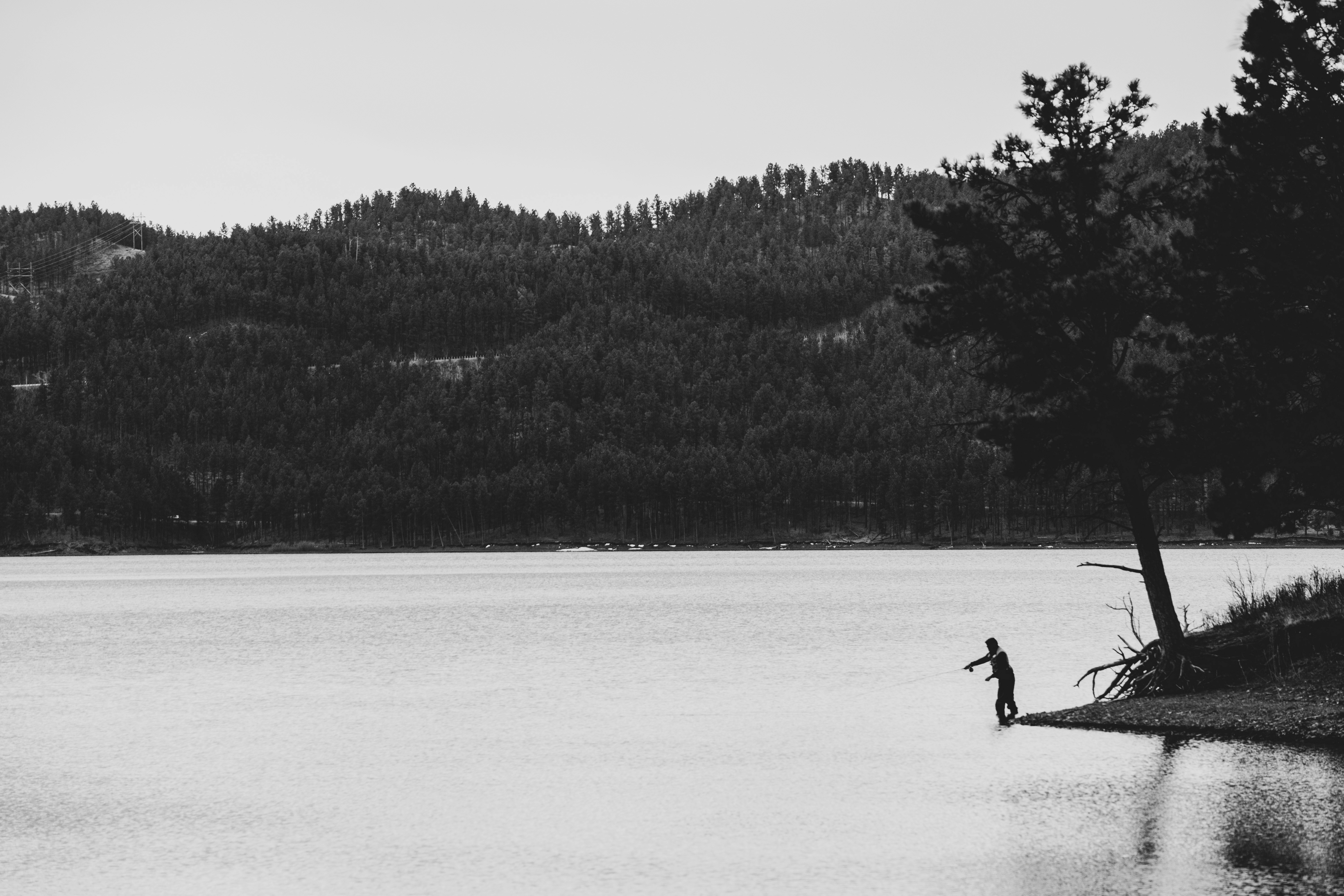
The transition from shallow to deep water — a submerged ledge, the edge of a flat, a sudden depth change — is the single most reliable fish-holding feature in any stillwater. It functions like a current seam in a river: a boundary feature that fish use as a reference point, patrol regularly, and hold near when feeding.
Why fish use drop-offs:
- The depth change creates a thermal and oxygen gradient — fish can move shallower or deeper quickly as conditions change
- Baitfish and invertebrates concentrate along the edge between shallow and deep
- The drop-off provides immediate access to deep-water safety when needed
How to fish a drop-off: cast parallel to the drop-off and retrieve along it — this keeps your fly in the productive zone for the full length of the retrieve. Casting across the drop-off and retrieving away from it is less effective because the fly is only in the best zone for a short part of the retrieve.
Finding drop-offs: look for colour changes in the water — a transition from lighter green or brown (shallow) to darker blue-green (deep). On dams, the original river channel often creates a well-defined drop-off that runs through the middle of the impoundment.
Weed Beds
Aquatic vegetation is a food factory. It shelters enormous numbers of invertebrates — chironomid larvae, water boatmen, freshwater shrimps, snails — and provides cover for small baitfish that attract larger predators. Weed beds are among the most productive features in any stillwater.
The weed edge: the transition between open water and weed is the prime zone — like a current seam in a river, the edge concentrates both food and the fish feeding on it. Fish the edges and gaps rather than the dense weed itself.
Gaps and channels within weed: breaks in the weed canopy create lanes through which fish move to access feeding areas. These channels are worth targeting specifically — cast into the gap and retrieve through it.
Seasonal weed growth: weed growth peaks in summer and dies back in winter. This seasonal cycle shifts where productive fishing zones are. In spring as weed first establishes, fish are drawn to the early growth. In late summer when weed is densest, the edges become more defined and productive.
Inlet Streams
Where a stream or river enters a stillwater, it delivers a concentrated package of everything fish need: oxygenated water, food washed down from upstream, cooler temperatures in summer, and slightly warmer temperatures in winter. Inlet areas are consistently among the most productive spots in any lake or dam.
Why inlets produce fish:
- Oxygenated water — particularly important in summer when oxygen levels in the main lake are reduced
- Food delivery — insects, worms, and other food items washed in by the current
- Temperature relief — cool inlets in summer attract fish seeking lower temperatures
- Current — even a small current in a stillwater concentrates fish that are accustomed to feeding in flow
How to fish an inlet: approach carefully — inlet areas can be shallow and fish are easily spooked. Cast across and slightly upstream of the flow and allow the fly to swing through the area. Retrieve back through the transition zone where inlet and main lake water mix.
Points and Headlands
Rocky or vegetated points extending into the lake create current acceleration and eddies, concentrate food, and are associated with depth changes on their flanks. Fish patrol around points in predictable patterns — cast off the tip of a point and retrieve along either face to intercept them.
The windward point: a point on the windward side of the lake is doubly productive — it collects wind-driven surface food while also offering the structural advantages of a point. Often the single most productive spot on a windward shoreline.
Shallow Flats and Bays
Shallow flats — areas of consistent shallow water, often sandy or gravelly — attract fish in specific conditions: early morning, evening, and overcast days when light levels are low. Fish move onto flats to feed on invertebrates and surface insects, then retreat to deeper water in bright conditions.
Spring spawning flats: many species — bass, carp, some trout — spawn on shallow flats in spring. Pre-spawn and spawning fish on clear flats are visible and accessible to sight fishing — one of the most exciting forms of stillwater fly fishing.
Reading a flat: look for signs of feeding activity — tailing fish, surface disturbance, nervous water. Wade slowly and carefully — your footsteps transmit vibrations that spook fish in shallow water.
Submerged Structure
Former riverbanks, old fences, submerged buildings, and rock formations create underwater structure that fish use as reference points and ambush positions. On dams impounded from former farmland or river valleys, this submerged structure can be extensive and highly productive.
If you have access to historical maps or aerial photographs of the area before impoundment, they can reveal the location of former river channels, buildings, and other structures — all of which become productive fishing zones once submerged.
Understanding Depth and the Thermocline
In summer, lakes stratify into distinct temperature layers — a process called thermal stratification. Understanding this process is essential for fishing stillwaters effectively through the warm months.
How Stratification Works
The epilimnion — the warm surface layer, heated by the sun. In summer, this layer can become oxygen-depleted, particularly in nutrient-rich lakes. Water temperatures here often exceed the comfort zone for trout and other cold-water species.
The hypolimnion — the cold, dense bottom layer. Oxygen levels can also be low here in productive lakes due to decomposition processes.
The thermocline — the zone of rapid temperature change between the warm upper layer and cold lower layer. Oxygen levels are often highest here, and food concentrates at this depth. In summer, this is where fish spend most of their time — too warm above, too cold and oxygen-depleted below.
Finding the Thermocline
The thermocline depth varies by lake, season, and weather. In most temperate stillwaters it sits between 3–8 metres below the surface in midsummer. A stream thermometer lowered on a marked line can locate it — you'll feel the abrupt temperature change.
Practical implications:
- In summer, fish are rarely at the surface or near the bottom in deep water — they're at the thermocline depth
- An intermediate line that gets your fly to the right depth is more important than almost any other variable in summer stillwater fishing
- After a storm mixes the water column, stratification breaks down temporarily — fish become more evenly distributed and surface fishing improves
Autumn Turnover
As surface temperatures cool in autumn, the temperature difference between layers decreases. Eventually the whole water column reaches a similar temperature and wind mixes it — the annual autumn turnover. This event temporarily disrupts fishing as the water column mixes and oxygen redistributes. Within a week or two, fish settle into new patterns and autumn fishing can be exceptional.
How Wind Shapes Stillwater Fishing
Wind is the most powerful force in stillwater fly fishing. It drives surface currents, concentrates food, creates temperature mixing, and dramatically affects where fish are at any given moment.
The Windward Shore Rule
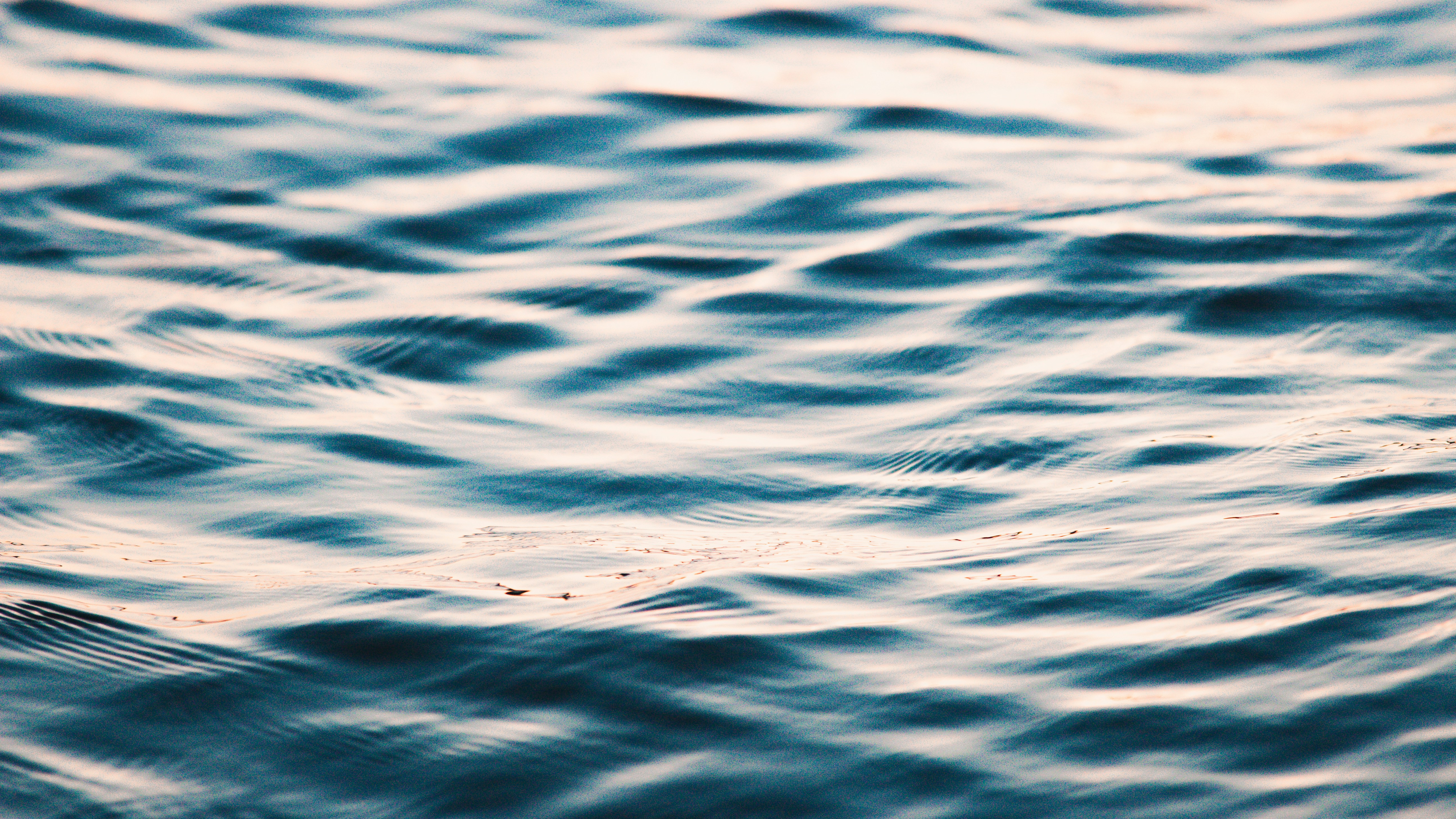
Wind pushes surface water — and with it, everything floating on the surface — toward the windward shore. Insects, terrestrials blown onto the water, emerging flies, surface scum carrying micro-invertebrates — all accumulate where the wind is blowing toward.
Fish follow the food. On a persistent wind, the windward shore consistently outproduces sheltered banks. This is one of the most reliable rules in stillwater fly fishing and one of the first things to assess when arriving at new water.
Wind Lanes
As wind pushes surface water toward the windward bank, it creates return currents beneath the surface — upwelling on the leeward side that creates visible surface lanes. These wind lanes — visible as streaks of calm or slightly riffled water — concentrate food at their edges and are worth targeting specifically.
Cast along the edge of a wind lane rather than straight across it. Fish cruise these edges, intercepting food concentrated by the wind-driven current.
Ripple vs Flat Calm
A light ripple on the water surface is generally better for stillwater fishing than flat calm. Ripple breaks up the surface, making fish less wary of the angler's presence and less able to inspect the fly critically. It also creates better conditions for dry fly and surface fishing — flies in a slight chop look more natural than on a glass-calm surface.
Dead flat calm produces two outcomes: either very visible fish feeding selectively on the surface (exciting, demanding fishing) or fish that are pushed deep and refuse to come up. Either way, delicate presentation and fine tippet are more important in flat calm than in any other condition.
Reading the Surface
The water surface provides a remarkable amount of information about what's happening below — and about where fish are at any moment.
Rise Forms
When fish are feeding on or near the surface, the rise form tells you what they're eating:
Sipping rings — tiny, barely visible: fish taking small surface insects (midges, small emergers) flush in the film. Requires small flies and fine tippet.
Head and tail rise: the fish's nose and tail break the surface in sequence — a classic nymph-just-below-the-film or emerger rise. The fish isn't fully committed to the surface — try an emerger or suspender pattern rather than a fully floating dry.
Bulge without breaking the surface: fish taking ascending nymphs or pupae just below the film. A floating line with a long leader and a suspender nymph is the right approach.
Splashy, aggressive rise: chasing active insects — caddis, water boatmen, or active surface prey. Fish are less selective in this mode; a moving or twitched fly can be more effective than a dead drift.
Tailing: the tail breaks the surface while the head is down — fish feeding on the bottom in shallow water. Common for carp and bass on shallow flats; use a nymph or weighted pattern fished near the bottom.
Nervous Water
A subtle, irregular disturbance on the surface — different from wind ripple, suggesting movement below — indicates fish moving just under the surface. Nervous water is one of the most useful signs in stillwater fishing, particularly for sight fishing on flats. Move toward it carefully and present your fly ahead of the disturbance.
Colour and Clarity
Water colour tells you about depth and bottom composition:
- Dark blue-green: deep water
- Light green or turquoise: shallow water over sand or pale gravel
- Brown or murky: shallow water over mud, or coloured from runoff
- Colour transition: the line between light and dark water indicates a depth change — a drop-off worth targeting
How Conditions Shift Fish Location
Fish in stillwaters are not static — they move with conditions in predictable patterns. Understanding these patterns lets you anticipate where fish will be rather than constantly searching.
Temperature Effects
Cold water (below prime range): fish concentrate at the deepest available depth with the most stable temperature. Activity is minimal. Slow, deep presentations near structure.
Prime temperature range: fish distributed throughout the water column. Active feeding at all depths. All techniques productive.
Warm water (above prime range): fish seek cooler, oxygenated water — inlet streams, riffles if present, thermocline depth in deep water. Surface fishing poor during the day; fish early morning and evening.
Light Effects
Dawn and dusk: fish move into the shallows and onto flats. Surface activity peaks. Best window for dry fly and surface fishing.
Bright midday sun: fish retreat to deep water, shade, and cover. Weed beds provide shade — fish hold at their edges. Deeper presentations required.
Overcast: fish remain active throughout the day. Surface feeding continues past dawn. More forgiving conditions for all stillwater techniques.
After Rain
Rain cools surface water, washes terrestrial insects and food into the lake, and reduces light levels. Short periods of rain often trigger feeding activity. Watch for fish moving into shallower water after rain — the cooler, food-rich surface water draws them up.
Time of Day in Stillwater
The daily pattern in stillwater is consistent enough to plan around:
Pre-dawn to two hours after sunrise: the prime surface fishing window. Fish are in the shallows and on flats. Dry fly and surface presentations. Often the single most productive period of the day.
Mid-morning: surface activity decreases as light increases. Fish begin moving deeper. Switch from dry fly to intermediate or sinking line with nymphs and buzzers.
Midday: fish are at depth — thermocline level in summer, near bottom in cooler conditions. Deep presentations with slow retrieves.
Afternoon: activity begins to recover as temperatures start to drop. Watch for hatch activity — chironomid (midge) hatches often peak in the afternoon in spring and autumn.
Evening: fish move back into the shallows for the second major feeding window of the day. Surface activity peaks again. Evening rises on productive stillwaters can be extraordinary.
Reading Different Stillwater Types
Natural Lakes
Natural lakes tend to have more complex bottom structure, clearer water, and more established weed growth than impounded dams. The drop-off profile is often more gradual, weed beds more extensive, and fish more widely distributed. Inlet streams are important. Wind-driven patterns are reliable.
Dams and Reservoirs
Impounded waters often have a defined original river channel running through them — a reliable, fish-holding drop-off. Fluctuating water levels expose or submerge structure regularly, shifting productive zones. When water levels are dropping, fish near the receding shoreline; when rising, fish move with the water onto newly flooded margins.
Farm Dams
Smaller, shallower, and often more productive per hectare than large reservoirs. Farm dams warm up faster in spring, have less depth complexity, and fish are often more visible and accessible. Weed growth can be dense. Bass and bluegill are common; some hold trout. The drop-off from the wall is often the most productive feature.
Stillwater Trout Fisheries
Managed stillwater trout fisheries — stocked lakes and reservoirs — have a different character from wild stillwaters. Fish density is higher, competition for food is greater, and fish often patrol in more predictable patterns. Buzzer (chironomid) fishing under an indicator or dry fly, and lure fishing along the drop-off, are the primary approaches on most managed stillwaters.
🎣 Map your stillwater over time. Stillwater fishing rewards accumulated knowledge more than almost any other form of fly fishing. Logging which zones produced fish in which conditions — water temperature, time of day, season, wind direction — builds a detailed map of your home stillwater that improves your fishing every season. Start your free Flyloops logbook →
Frequently Asked Questions
How do you find fish in a stillwater? Start with structure: identify drop-offs, weed bed edges, inlet streams, and points before you fish. Observe the surface for rise forms and nervous water. Check wind direction and position yourself on the windward shore. Watch for time-of-day patterns — fish are in shallow water at dawn and dusk, deeper water during the day. Cover water systematically until you find activity, then slow down and work that zone thoroughly.
What is the most productive feature in a stillwater? Drop-offs — the transition from shallow to deep water — are the single most consistently productive features. Fish patrol these edges throughout the day, and they're present in virtually every stillwater. After drop-offs, inlet streams and weed bed edges are the next most reliable producers.
Why do fish move to the windward shore? Wind pushes surface water — and surface food — toward the windward shore. Insects blown onto the water, hatching flies, and other surface food accumulate where the wind is blowing toward. Fish follow the food. Fishing the windward shore on a persistent wind is one of the most reliable rules in stillwater fly fishing.
What is the thermocline and why does it matter for fishing? The thermocline is a layer of rapid temperature change that forms in lakes during summer stratification, between the warm surface layer and cold bottom layer. Oxygen levels are often highest at the thermocline depth, and food concentrates there. In summer, fish spend most of their time at thermocline depth — finding this layer and fishing at it is more important than fly selection in many summer stillwater situations.
What is the best time to fly fish a stillwater? Dawn and the first two hours after sunrise are consistently the most productive period — fish are in the shallows, surface activity peaks, and the low light makes fish less wary. Evening is the second best window. Midday is generally the slowest. On overcast days, productive fishing can continue throughout the day.
How does a dam differ from a natural lake for fly fishing? Dams often have a defined former river channel creating a reliable drop-off, fluctuating water levels that shift productive zones, and less established weed structure than natural lakes. Natural lakes tend to have more complex structure, clearer water, and more extensive weed growth. Both are productive; dams reward knowledge of the original topography while natural lakes reward knowledge of weed and structural features.
How do I know where the drop-off is? Look for water colour changes — the transition from light (shallow) to dark (deep) water. On dams, the original river channel creates a predictable drop-off that runs through the impoundment. A depth sounder on a boat is the most accurate tool. Alternatively, a weighted line lowered from a boat or kayak can map depth at specific points. On foot, wade carefully along the shoreline until you feel the bottom drop away — that's the drop-off edge.
Do I need a boat to fish a stillwater effectively? No — bank fishing is highly effective if you understand the water. Drop-offs accessible from the bank, inlet areas, windward shores, and points can all be reached on foot. A boat gives you access to open-water features and the ability to cover more ground, but bank anglers who understand the water consistently outfish boat anglers who don't.
Understanding your stillwater better session by session is what separates consistent anglers from lucky ones. Log your observations on Flyloops — track zones, conditions, and catch data to build a detailed picture of your home water over time.