The Complete Fly Fishing Gear Guide: From Beginner to Intermediate
Estimated read time: 16 minutes
Walk into any fly shop and the sheer volume of gear can feel overwhelming. Rods in every weight and length, reels with cryptic drag systems, lines with more variants than you can count, and wall after wall of flies, tools, and accessories. It's easy to spend too much, buy the wrong things, or get paralysed by indecision before you've even made your first cast.
This guide cuts through the noise. We'll cover everything you need — from a first-time starter kit to the gear upgrades that genuinely make a difference as your fishing develops. If you're brand new to fly fishing, start here. If you've been fishing a while and want to know what's worth upgrading, this guide covers that too.
Table of Contents
- How Much Does Fly Fishing Gear Cost?
- Fly Rods
- Fly Reels
- Fly Lines
- Leaders and Tippet
- Waders and Wading Boots
- Essential Accessories
- Flies and Fly Boxes
- Clothing and Sun Protection
- Saltwater Gear Considerations
- Starter Kit Recommendations
- Gear Upgrade Path
- Frequently Asked Questions
How Much Does Fly Fishing Gear Cost?
Fly fishing has a reputation for being expensive, and high-end gear can certainly cost a lot. But a perfectly functional beginner setup doesn't need to break the bank. Here's a realistic overview:
| Setup Level | Rod + Reel + Line | Full Kit (inc. waders, accessories) |
|---|---|---|
| Budget beginner | $150–$250 | $300–$450 |
| Mid-range beginner | $250–$450 | $500–$800 |
| Intermediate | $450–$800 | $800–$1,500 |
| Advanced/premium | $800–$1,500+ | $1,500–$3,000+ |
The good news: mid-range gear from reputable brands performs at 90% of the level of top-end equipment. The marginal gains from expensive gear are real but small — and far less impactful than time on the water. Buy the best mid-range kit you can afford and invest the rest in fishing trips.
Fly Rods
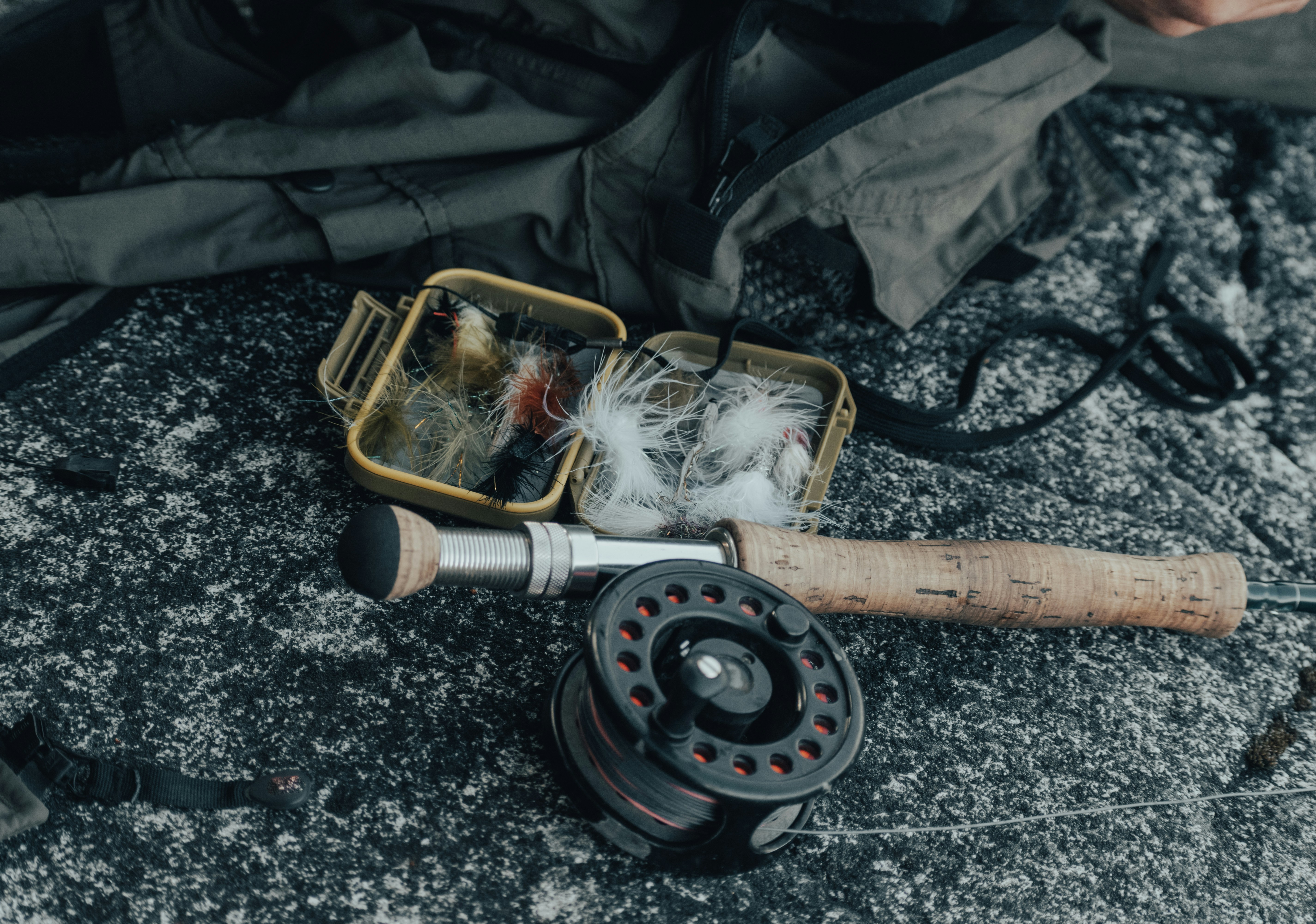
The fly rod is the most important piece of equipment in your setup — it influences casting, presentation, and your overall enjoyment of the sport more than anything else.
Understanding Rod Weights
Fly rods are rated by weight — a number from 1 to 14 that describes the rod's power and the line weight it's designed to cast. Lighter weights (1–4) are for small flies and small fish; heavier weights (8–14) are for large flies, big fish, and saltwater.
| Rod Weight | Best For |
|---|---|
| 1–3 weight | Small streams, panfish, tiny dry flies |
| 4–5 weight | General freshwater trout, most river fishing |
| 6–7 weight | Bass, larger trout, light saltwater, stillwater |
| 8–9 weight | Saltwater inshore, salmon, pike |
| 10–12 weight | GT, tarpon, heavy saltwater species |
For most beginners, a 5-weight is the right starting point. It's versatile enough to handle the majority of freshwater situations — trout in rivers, bass in dams, yellowfish on nymphs — without being overpowered or underpowered for everyday fishing.
Understanding Rod Length
Most fly rods are 9 feet long — this is the standard for a reason. A 9-foot rod gives a good balance of casting distance, line control, and mending ability across a wide range of situations.
Shorter rods (7–8.5ft) are better for tight, overgrown streams where a long rod gets caught in bankside vegetation. Longer rods (9.5–10ft) give better line control for nymphing and mending on larger rivers. Start with 9 feet.
Rod Action
Rod action describes where the rod bends during the cast:
- Fast action — bends primarily in the top third of the rod. Crisp, powerful, good for distance and wind. Less forgiving for beginners.
- Medium action — bends through the top half. The sweet spot for most beginners — forgiving enough to develop good timing, powerful enough for most situations.
- Slow action — bends deep into the rod. Very forgiving, excellent for short-range fishing and small flies. Less common in modern rods.
Most rods sold today are fast or medium-fast action. For beginners, a medium or medium-fast action is more forgiving and easier to learn on.
Beginner Rod Recommendations
Budget ($80–$150): Redington Crosswater, Echo Base — both are solid, functional rods that will serve a beginner well. Don't expect them to last a lifetime, but they cast well and are great for learning.
Mid-range ($150–$300): Redington Vice, Echo Carbon, Sage Foundation — a significant step up in feel and performance. These rods will last years and are genuinely enjoyable to cast.
Intermediate ($300–$500): Sage Igniter, Orvis Clearwater, Scott Centric — premium performance at a price point that serious anglers consider good value. Any of these would serve you from beginner through to advanced fishing.
Combo Outfits
Rod, reel, and line combos are excellent value for beginners and take the guesswork out of matching components. Look for outfits from Orvis (Clearwater outfit), Redington (Path outfit), or Echo (Base outfit) — all include a functional rod, reel, and line at a sensible price.
Fly Reels
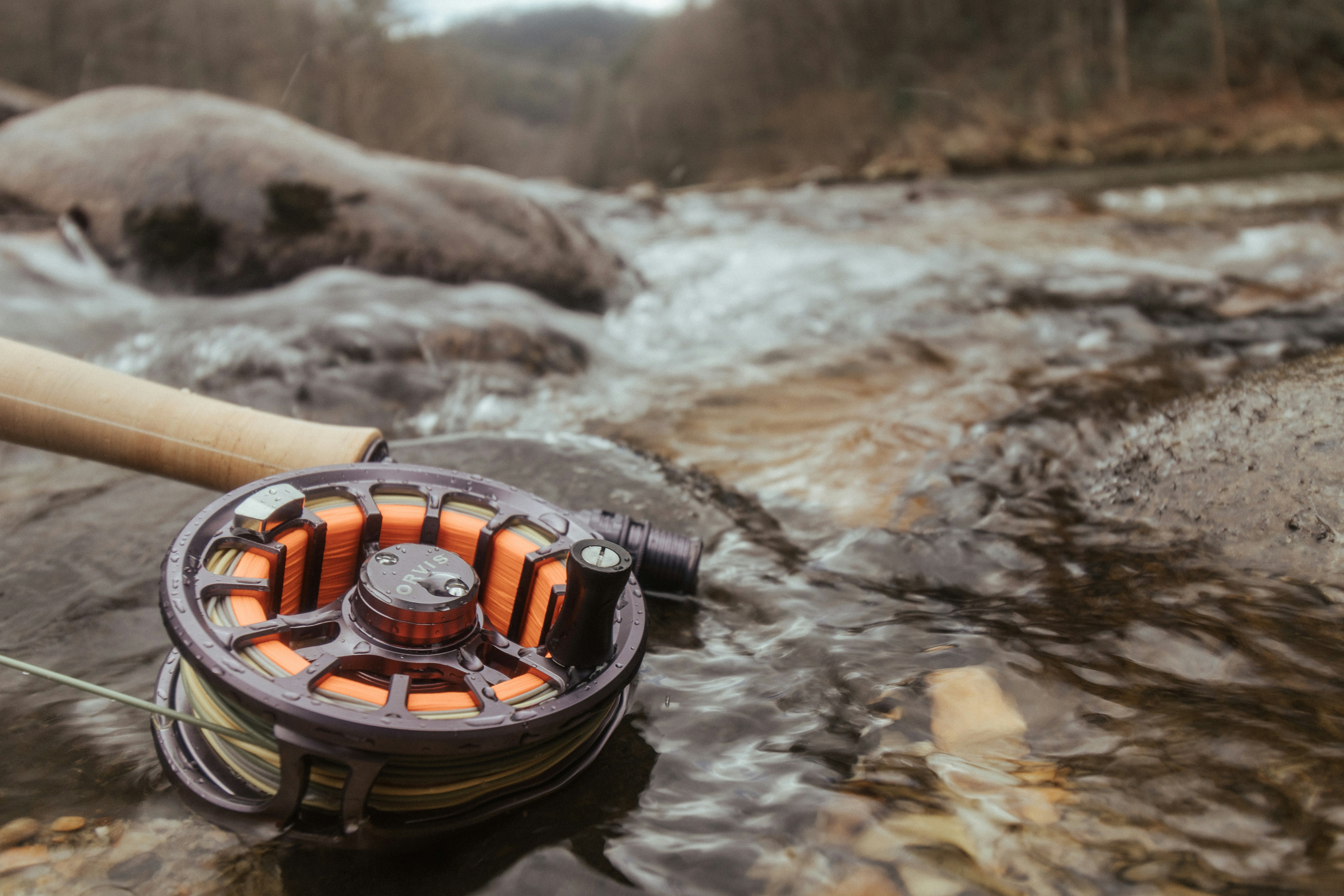
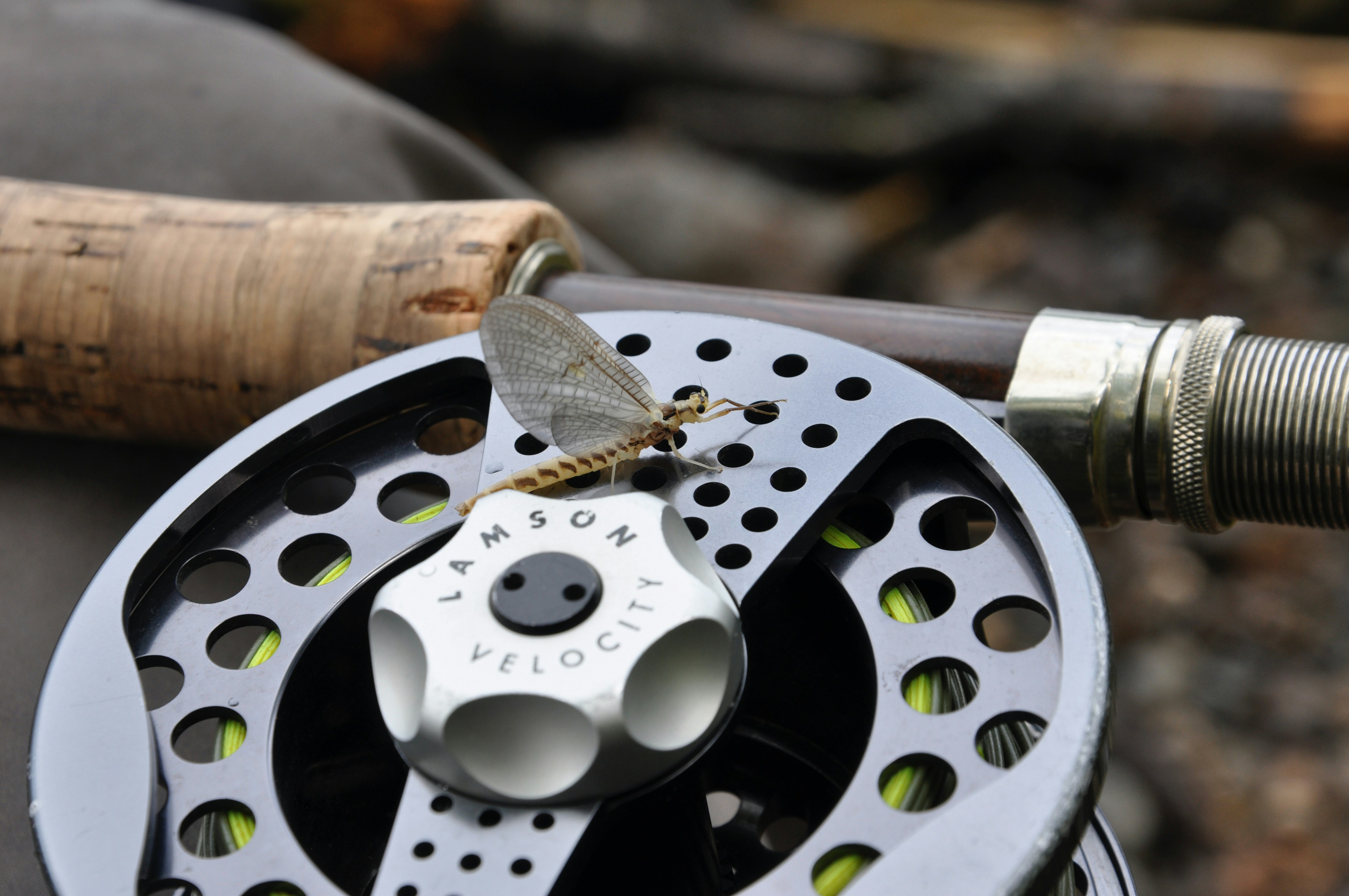
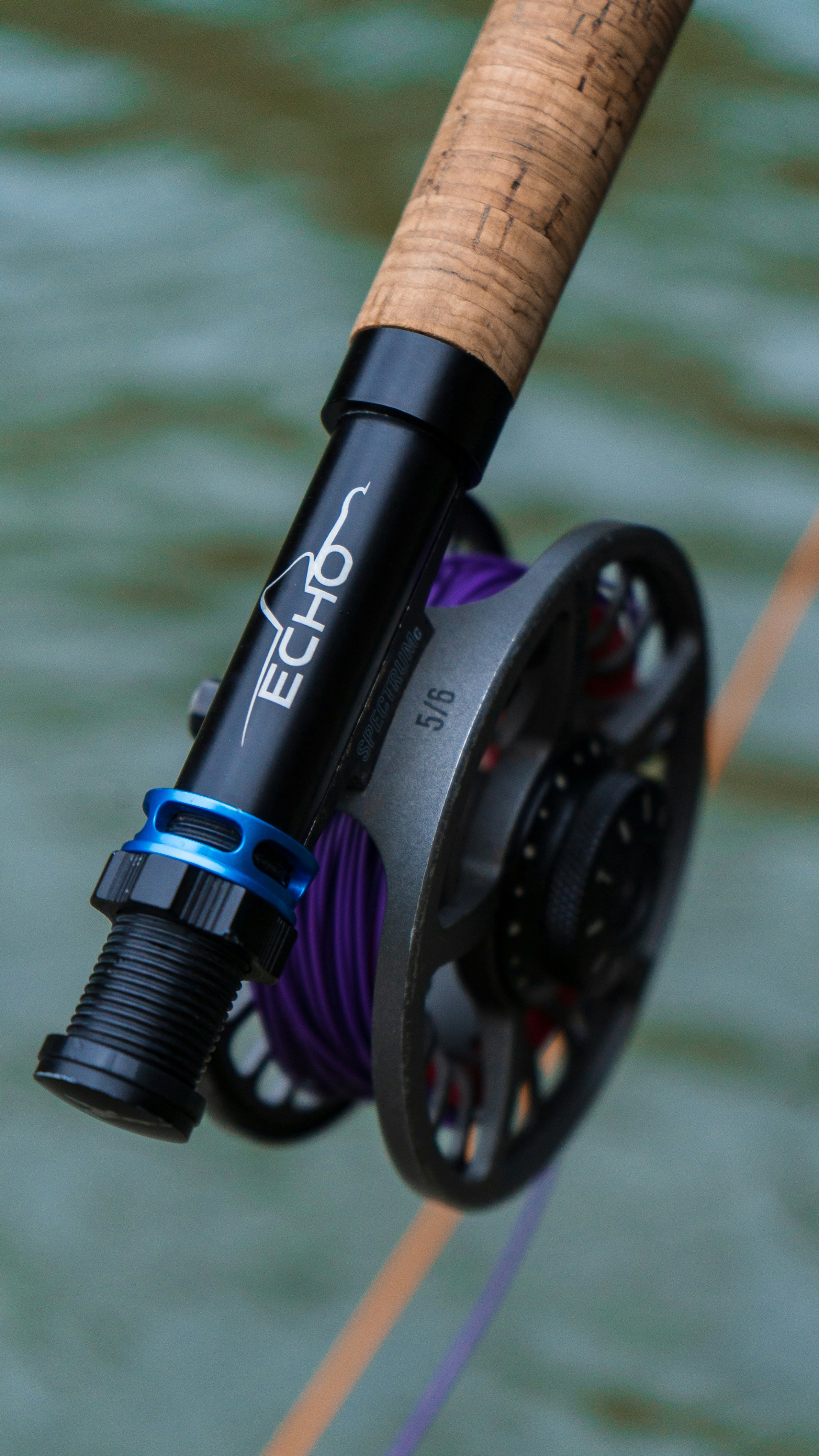
The fly reel is less critical than most beginners assume. In freshwater trout fishing, you'll rarely need to use the reel's drag system — most fish are played by hand, stripping line in and out manually. That said, a good reel matters more as you target larger fish and move into saltwater.
What to Look for in a Reel
Drag system: For freshwater trout fishing, a simple click-and-pawl or basic disc drag is fine. For larger fish — bass, yellowfish, saltwater species — a smooth, reliable disc drag that can be adjusted under pressure is important.
Weight balance: The reel should balance the rod when assembled and held at the grip. A reel that's too heavy makes the setup tip heavy and tiring to cast all day.
Arbor size: Large arbor reels (wide diameter spool) retrieve line faster and maintain more consistent drag pressure as the spool empties. Worth the slight extra cost.
Construction: Machined aluminium reels are more durable than cast reels and worth the upgrade for anything beyond a starter setup.
Reel Recommendations
Budget ($50–$100): Redington Behemoth, Orvis Clearwater — both are reliable, affordable reels with adequate drag for most freshwater fishing.
Mid-range ($100–$200): Sage Spectrum C, Ross Eddy — noticeably better drag and build quality. Worth the upgrade if your budget allows.
Intermediate ($200–$400): Abel, Hatch, Galvan — premium reels that will last a lifetime. Sealed drag systems make these suitable for saltwater use.
Fly Lines
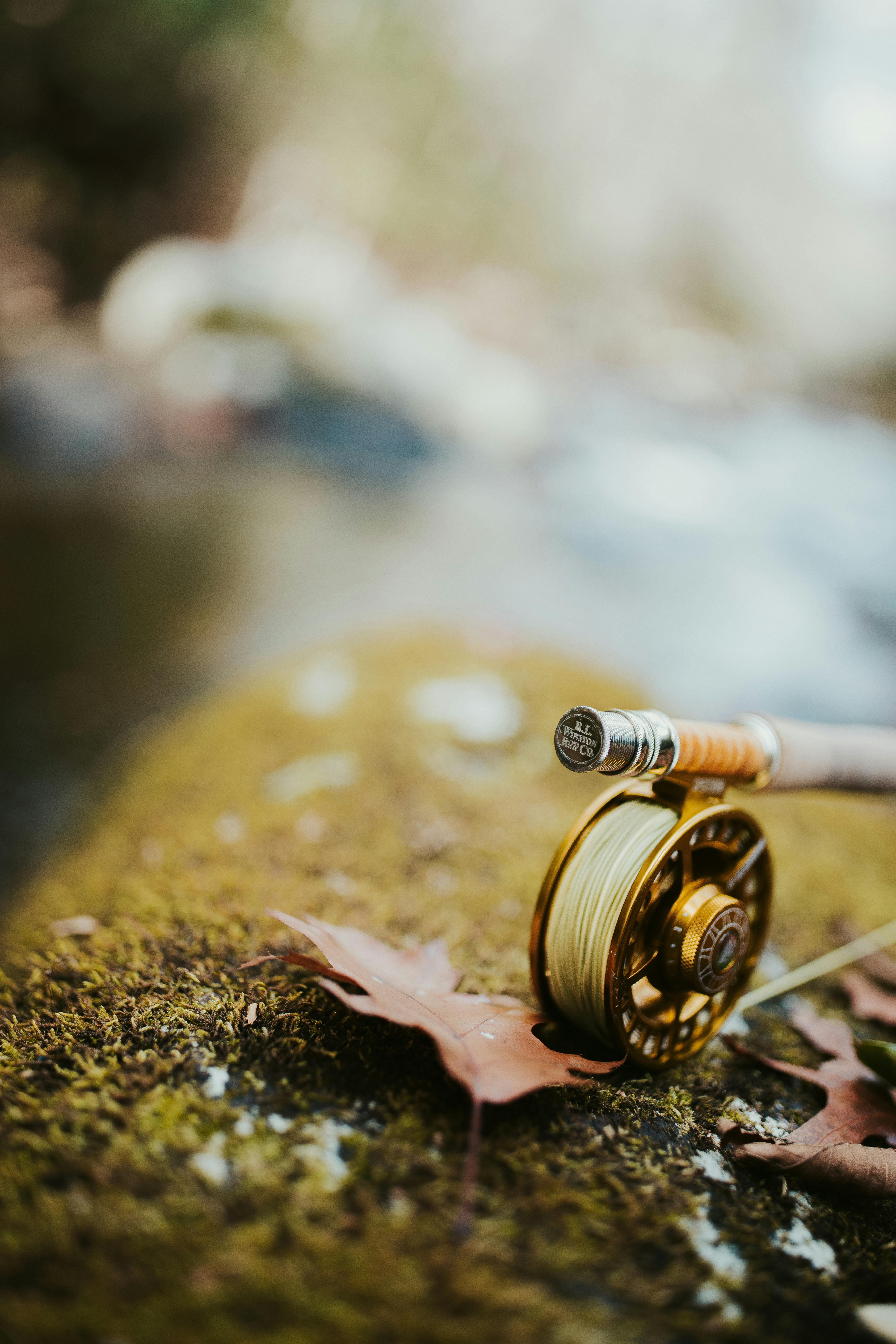
Fly line choice has more impact on your fishing than most beginners realise. A high-quality fly line casts better, lasts longer, and performs more consistently across temperatures than a cheap one. This is one area where it's worth spending a little more.
Line Types
Weight-forward floating (WF-F): The standard all-purpose line. The weight is concentrated in the front 30 feet, making it easier to cast. Floats on the surface. Covers 90% of freshwater situations. Buy this first.
Double taper (DT): An older design with a more gradual taper — excellent for delicate presentations and mending. Can be reversed when one end wears out. Less common now but preferred by some dry fly purists.
Intermediate: Sinks slowly (1–2 inches per second). Ideal for stillwater fishing just below the surface and for streamer fishing in rivers where you want the fly to run slightly deeper without full sinking.
Sink tip: A floating line with a sinking front section (typically 10–15 feet). Gets flies down fast in fast water without the management problems of a full sinking line.
Full sinking: The entire line sinks at a consistent rate. Used for deep stillwater fishing and specialised applications.
For most beginners: start with a weight-forward floating line. Add an intermediate when you start fishing stillwater or streamers regularly.
Line Recommendations
Budget ($40–$60): RIO Mainstream, Scientific Anglers Frequency — functional, affordable, good for learning.
Mid-range ($60–$90): RIO Gold, Scientific Anglers Mastery Trout — noticeably better in cold weather, cast more smoothly, last longer. The RIO Gold in particular is one of the most recommended trout lines in the world and well worth the extra spend.
Intermediate ($90–$130): RIO InTouch Gold, Orvis Trout LT — premium all-round trout lines. Excellent shooting, subtle presentation, temperature-stable coatings.
Leaders and Tippet
Leaders and tippet are the invisible connection between your fly line and your fly — and getting them right has a real impact on how naturally your fly behaves in the water.
Leaders
A tapered leader connects to the end of your fly line and transitions from thick (at the fly line end) to fine (at the fly end). The taper helps turn the fly over smoothly at the end of the cast. Most leaders come with a pre-formed loop that connects to the welded loop on your fly line — no knot required.
For most freshwater fishing, a 9-foot tapered leader is the standard starting point. Go longer (12ft) for more delicate presentations on clear, slow water. Go shorter (7.5ft) for streamer fishing where turnover of a heavy fly matters more than finesse.
Tippet
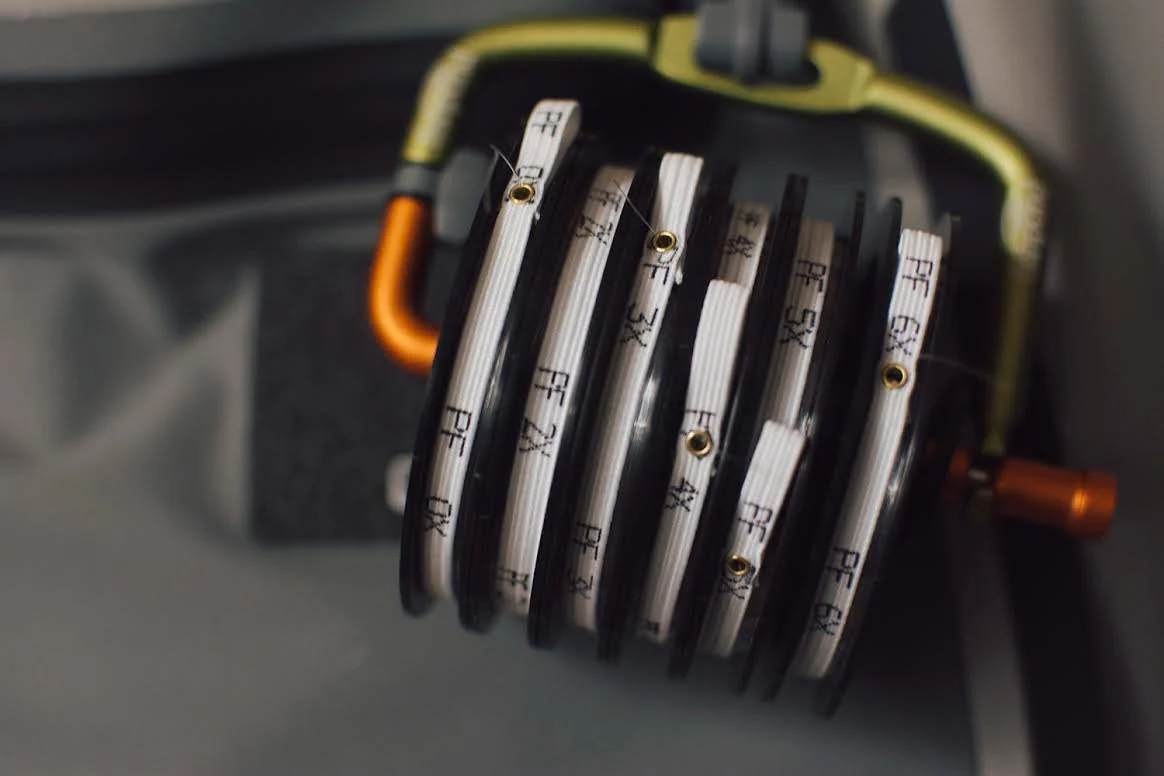
Tippet is sold by "X" rating — a standardised system that describes diameter and approximate breaking strength:
| Tippet | Diameter | Approx. Breaking Strength | Best For |
|---|---|---|---|
| 0X | 0.28mm | 15lb | Large streamers, pike |
| 1X | 0.25mm | 12lb | Large streamers, bass |
| 2X | 0.23mm | 10lb | Streamers, large nymphs |
| 3X | 0.20mm | 8lb | Heavy nymphs, streamer fishing |
| 4X | 0.17mm | 6lb | General nymphing, larger dry flies |
| 5X | 0.15mm | 4.5lb | Most dry fly and nymph situations |
| 6X | 0.13mm | 3lb | Small dry flies, selective fish |
| 7X | 0.10mm | 2lb | Ultra-fine midge fishing |
Start with 5X fluorocarbon tippet — it covers most trout and yellowfish situations, is less visible underwater than nylon, and sinks slightly which helps nymph presentations. Add 4X for streamers and 6X for selective fish situations as your fishing develops.
Nylon vs fluorocarbon: Fluorocarbon is less visible underwater and sinks. Nylon is more supple, floats better, and costs less. Use fluorocarbon for nymphs and wet flies; nylon for dry flies where you want the tippet to float.
→ Deep dive: Mastering Fly Fishing Tippets and Leaders: The Essential Guide
Waders and Wading Boots
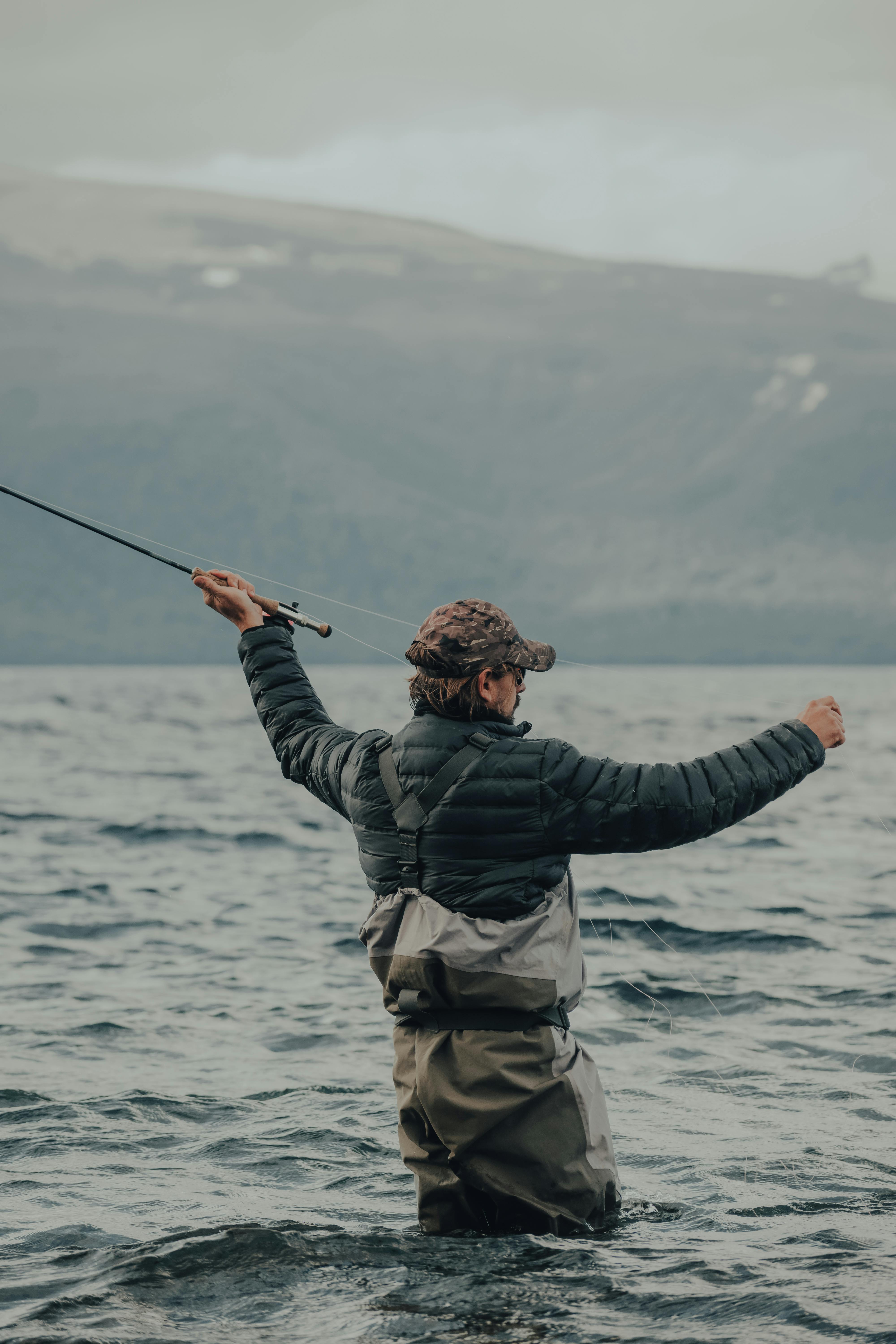
Waders let you enter the water to reach fish that aren't accessible from the bank. They're not always necessary — you can fish many rivers and stillwaters effectively from the bank or in shorts during warmer months — but for serious river fishing they're essential.
Wader Types
Hip waders: Cover to the hip. Lightweight and easy to move in, but limit you to shallow water. Good for small streams in summer. Less versatile than chest waders.
Waist waders: Cover to the waist. More versatile than hip waders but still limit depth. Less common.
Chest waders: The standard choice. Cover to the chest and allow wading in deeper water safely. Heavier than hip waders but far more versatile.
Wader Materials
Neoprene: Thick, warm, insulating. Ideal for cold-water fishing in winter. Heavy and less breathable — uncomfortable in warm weather. 3mm or 5mm thickness.
Breathable: The modern standard. Lightweight, packable, and comfortable across a wide temperature range. Gore-Tex and similar membranes allow moisture to escape while keeping water out. The right choice for most anglers in most conditions.
Budget PVC/nylon: Functional but hot in summer, cold in winter, and less durable. Fine for occasional use in mild conditions.
Wading Boots
Wading boots attach separately to breathable waders (neoprene waders often have integrated boots). Key considerations:
Sole type:
- Felt soles: Excellent grip on slippery rock, the traditional choice for river wading. Banned in some regions due to concerns about spreading aquatic invasive species between rivers.
- Rubber lug soles: The modern alternative. Less grip on smooth wet rock than felt, but improving in quality. Check local regulations — some fisheries require rubber soles.
- Studded rubber: Aluminium or carbide studs added to rubber soles dramatically improve grip. The best of both worlds where felt is banned.
Fit: Wading boots should be worn with thick neoprene wading socks (included with most breathable waders). Buy boots sized to accommodate the extra thickness.
Wader Recommendations
Budget ($80–$150): Frogg Toggs Hellbender, Compass 360 — functional breathable waders at an accessible price. Good for occasional use.
Mid-range ($150–$300): Orvis Encounter, Redington Sonic Pro — solid construction, genuine breathability, comfortable for full-day use.
Intermediate ($300–$500): Simms Tributary, Patagonia Swiftcurrent — premium materials, reinforced knees and seat, reliable seam sealing. Worth the investment if you fish regularly.
Essential Accessories
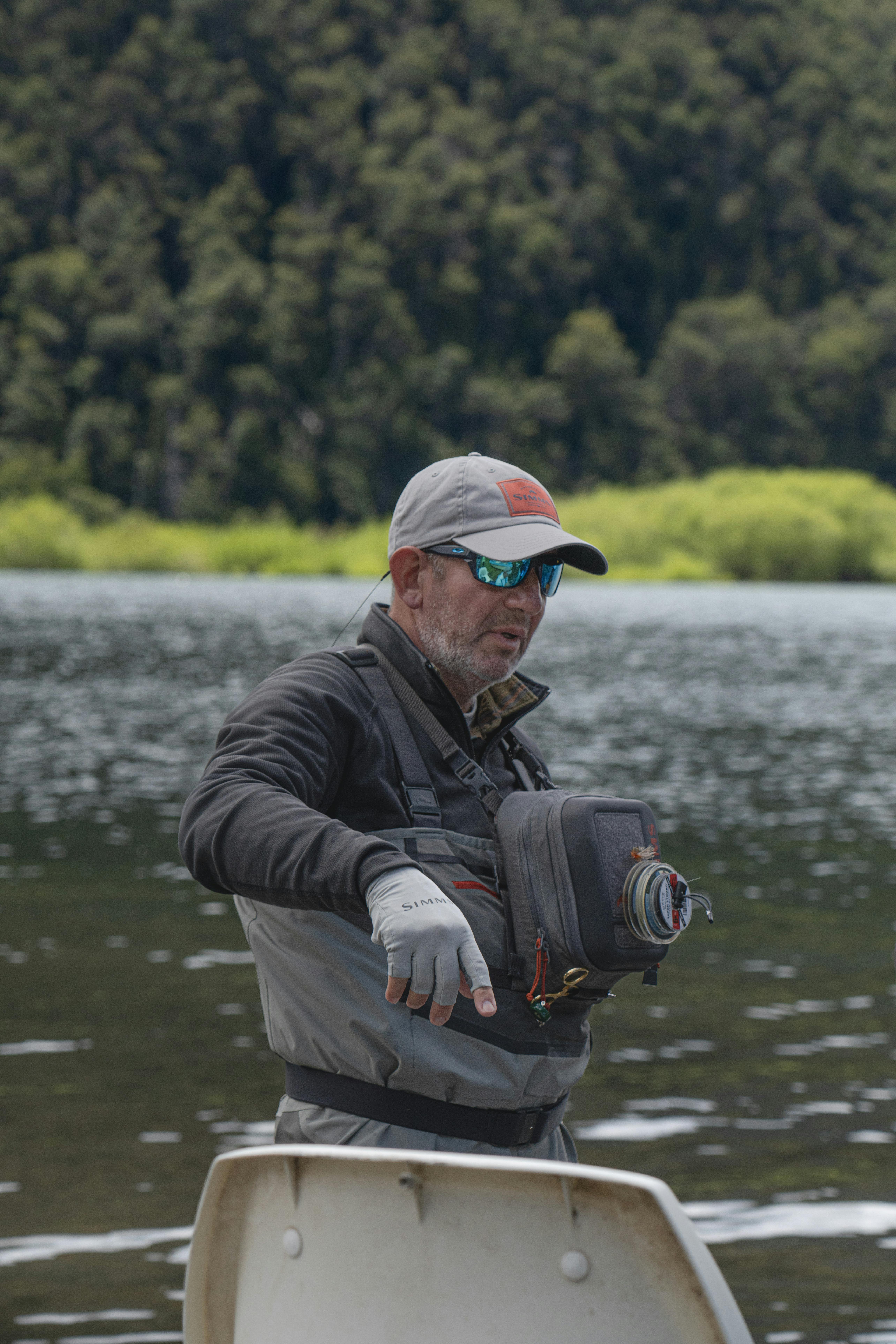
Non-Negotiables
Nippers/line cutters: A small retractable cutter for trimming tippet knots. Attach to your vest or pack on a zinger. Buy two — you'll lose one eventually. Cost: $5–$15.
Forceps/hemostats: For removing hooks from fish without handling them excessively, and for crimping barbs. A fly fishing essential. Cost: $8–$20.
Polarised sunglasses: Cut glare off the water, let you see fish, structure, and bottom features. Also protect your eyes from errant flies — a genuine safety item. Any polarised lens works; you don't need expensive fishing-specific brands. Cost: $20–$200+.
Landing net: A rubber-mesh net protects the fish's slime coat and makes releasing fish much easier. Essential for catch-and-release fishing. Attach to your pack or vest with a magnetic release. Cost: $25–$80.
Floatant: A paste or gel applied to dry flies to keep them floating. Dry Magic, Loon Aquel, and Gink are all excellent. Cost: $8–$12.
Strike indicators: For nymph fishing. Available in foam, yarn, and plastic bubble styles. Carry a selection of sizes. Cost: $5–$10.
Useful Additions
Wading staff: A collapsible staff for stability in fast, deep, or uneven water. Underrated safety item for wading in challenging conditions. Cost: $30–$80.
Fly patch: A sheep's wool patch on your vest or pack for drying flies between uses. Often built into vests. Cost: $5–$10.
Stream thermometer: Tells you the water temperature — the single most useful piece of information for understanding fish behaviour. Cost: $10–$25.
Split shot: Small removable weights added to the leader for getting nymphs down faster. Essential for deep, fast water nymphing. Cost: $5.
Headlamp: For early morning and evening fishing, and for navigating back to the car in the dark. A basic headlamp is all you need. Cost: $15–$40.
Vests, Packs, and Bags
How you carry your gear is a personal choice. Three main options:
Traditional vest: Pockets everywhere, classic look, stays cool. Can feel heavy when fully loaded. Good for anglers who carry a lot of gear.
Chest pack: A compact pack worn on the chest. Keeps essentials accessible without the bulk of a full vest. Popular with wading anglers. Cost: $40–$120.
Sling pack: Worn over one shoulder, swings to the front for access. Good capacity, comfortable for all-day use. Cost: $50–$150.
Hip pack + wading staff: Minimalist setup favoured by experienced wading anglers. Everything essential in a small hip pack. Cost: $30–$80.
Flies and Fly Boxes
Building a Starter Fly Box
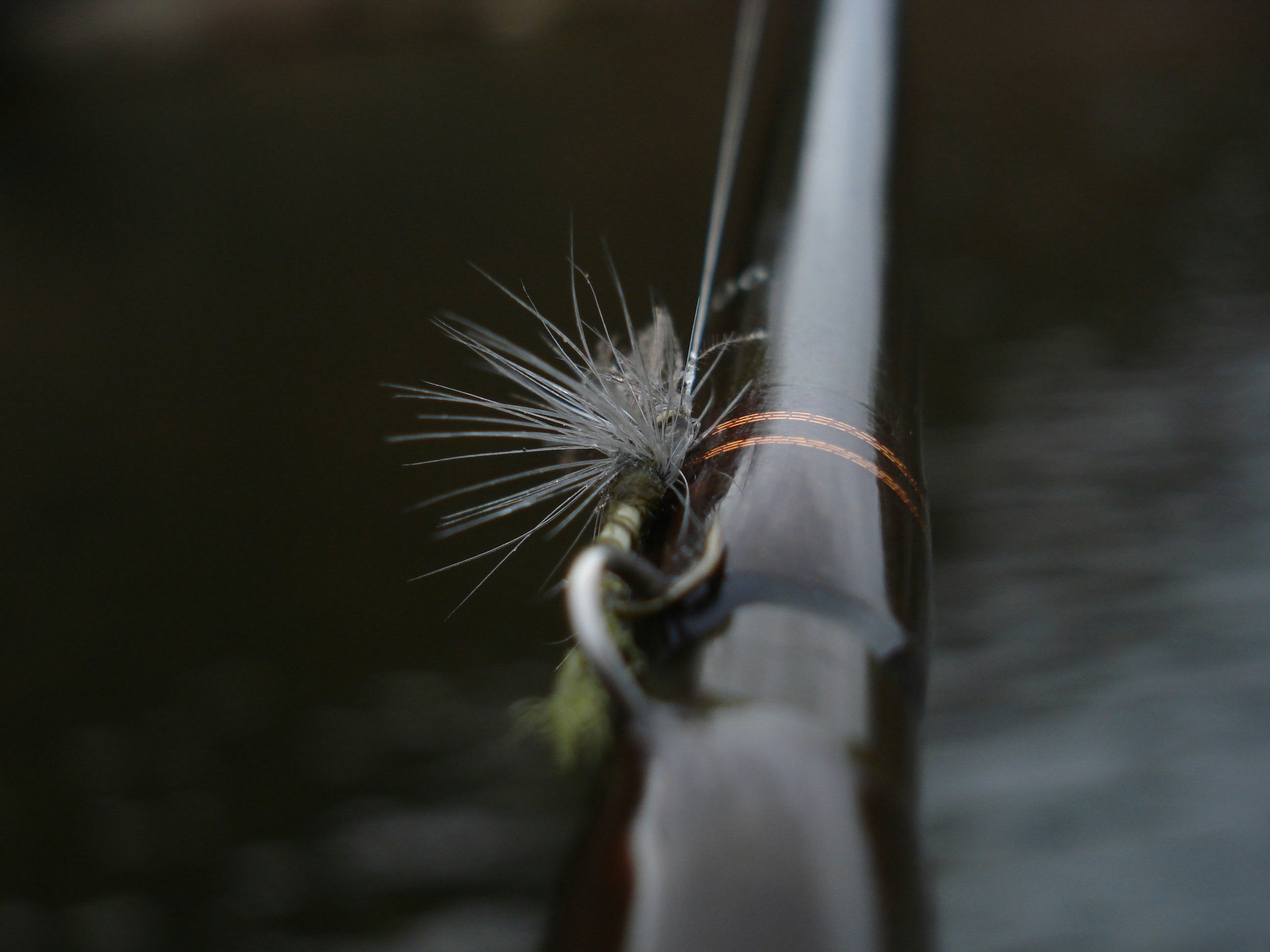
You don't need hundreds of flies to get started. A well-chosen selection of 20–30 flies covering the three main types — dry flies, nymphs, and streamers — will catch fish in most freshwater situations.
Essential dry flies:
- Parachute Adams, size 14–18 (×3)
- Elk Hair Caddis, size 14–16 (×3)
- Royal Wulff, size 12–14 (×2)
- Foam hopper, size 10–12 (×2)
Essential nymphs:
- Beadhead Hare's Ear, size 12–16 (×4)
- Beadhead Pheasant Tail, size 14–18 (×4)
- San Juan Worm, red/pink, size 12–14 (×3)
- Copper John, size 14–16 (×2)
Essential streamers:
- Woolly Bugger, black and olive, size 6–10 (×4)
- Clouser Minnow, white/chartreuse, size 6 (×2)
Total cost: $30–$60 for a basic selection from a fly shop or online retailer.
Fly Boxes
A compartmentalised waterproof fly box keeps your flies organised and dry. Magnetic boxes work well for dry flies; foam-lined boxes are better for nymphs and streamers. Start with one or two boxes — you can always add more. Cost: $10–$30 each.
→ Deep dive: 10 Essential Flies Every Beginner Fly Fisher Should Have
Clothing and Sun Protection
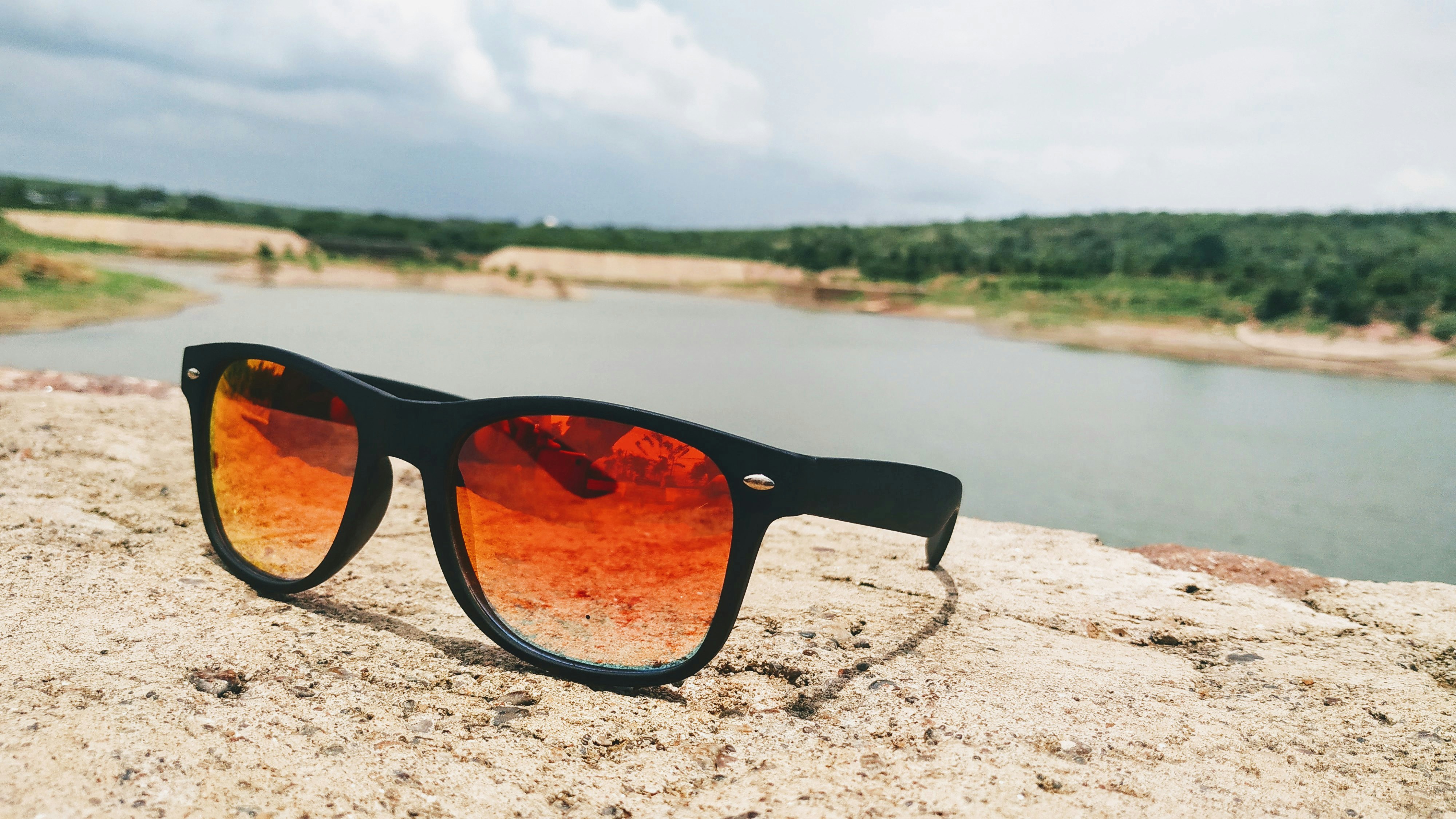
Fly fishing involves long hours outdoors, often around water that reflects UV. Sun protection isn't optional — it's a practical fishing requirement as much as a health one.
Sun hat: A wide-brimmed hat reduces glare, keeps sun off your face and neck, and helps you spot fish in the water. A dark underside to the brim reduces reflected glare. Cost: $20–$60.
Sun shirt: Lightweight, long-sleeved UPF-rated shirts are the standard for fly fishing. They dry quickly, protect against sun, and are comfortable for all-day wading. Brands like Patagonia, Columbia, and Simms make good options. Cost: $40–$100.
Base layers: For cold-water fishing, merino wool base layers regulate temperature well and don't retain odour. Cost: $50–$120.
Rain jacket: Packable, waterproof, breathable. Weather changes quickly on rivers. A compact rain jacket stuffed in your pack has saved many days. Cost: $80–$200.
Saltwater Gear Considerations
Saltwater fly fishing demands more specialised — and more robust — gear than freshwater. Saltwater is corrosive, the fish are larger and more powerful, and the casting distances are greater.
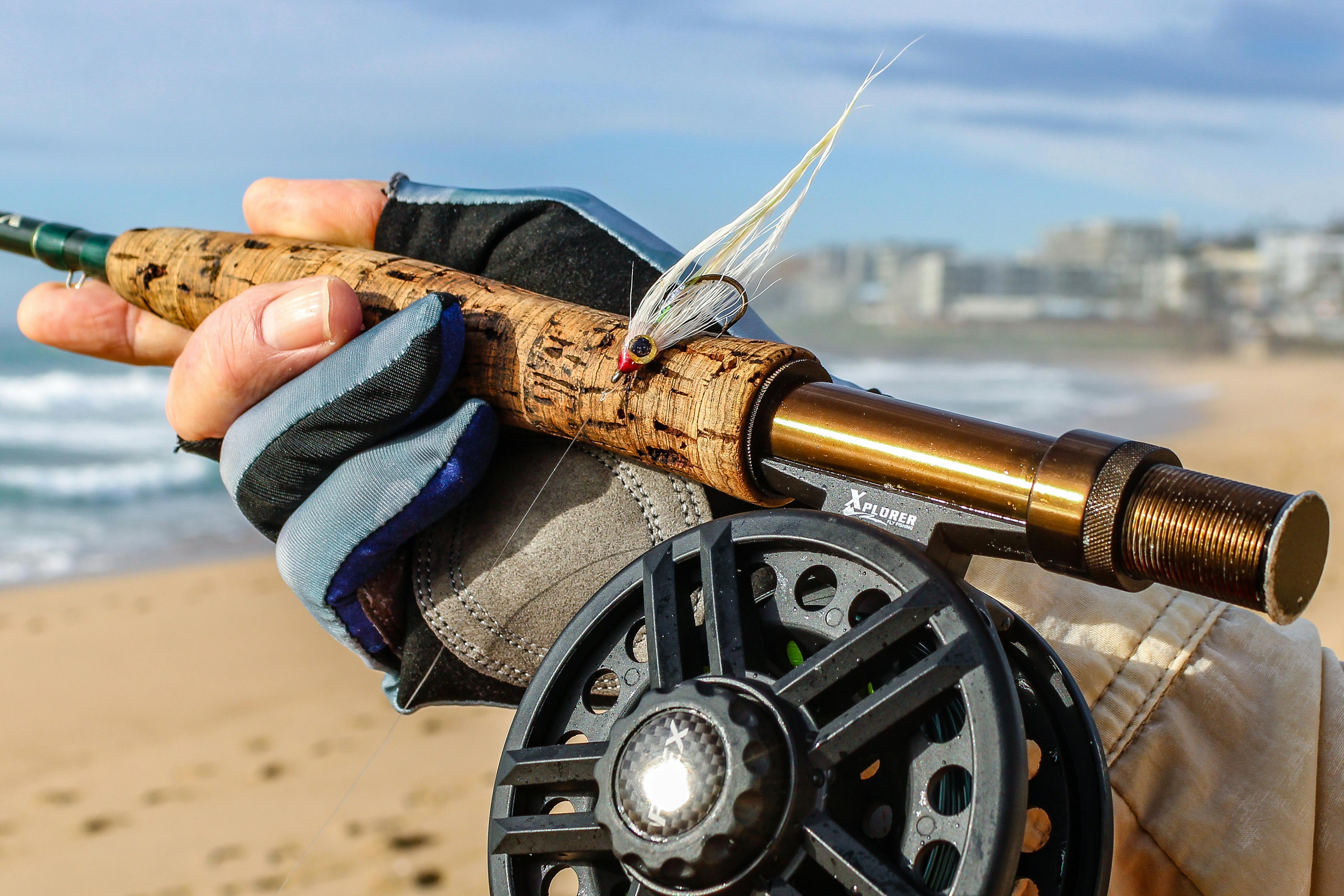
Key Differences
Rod: An 8–10 weight rod for most inshore saltwater species. Needs to handle larger, wind-resistant flies and generate the power for longer casts into wind. Fast action rods perform better in saltwater conditions.
Reel: This is where saltwater demands a genuine upgrade. You need a sealed drag system — saltwater will destroy an unsealed freshwater reel quickly. A large arbour reel with 200m+ of backing capacity is essential for powerful fish that run. Brands like Abel, Hatch, Galvan, and Nautilus make excellent saltwater reels.
Line: A tropical fly line with a stiffer, heat-stable coating that doesn't go limp in warm temperatures. Standard freshwater lines become unmanageably soft in tropical heat. RIO and Scientific Anglers both make dedicated saltwater/tropical lines.
Leader: Short and strong for saltwater — typically 7.5–9ft with a heavy butt section. Add bite tippet (heavy fluorocarbon 40–60lb, or wire for toothy species) as a final section.
Corrosion care: Rinse all saltwater gear — rod, reel, line — thoroughly with fresh water after every session. Saltwater left on equipment accelerates corrosion dramatically.
Starter Kit Recommendations
The True Beginner Kit ($300–$500 total)
Everything you need to get on the water:
- Rod: Redington Crosswater or Echo Base, 9ft 5-weight (~$100)
- Reel: Redington Behemoth or included in combo (~$60–$80)
- Line: RIO Mainstream or Scientific Anglers Frequency, WF5F (~$50)
- Leader: 9ft 5X tapered leader (~$5)
- Tippet: 5X fluorocarbon spool (~$10)
- Waders: Frogg Toggs Hellbender breathable chest waders (~$80)
- Wading boots: Korkers or Compass 360 with rubber soles (~$70)
- Accessories: Nippers, forceps, floatant, strike indicators (~$30)
- Flies: Basic starter selection (~$40)
Alternatively: Orvis Clearwater or Redington Path combo outfit ($200–$250) covers rod, reel, and line in one purchase at good value.
The Upgraded Beginner Kit ($600–$900 total)
A step up in performance and durability:
- Rod: Sage Foundation or Orvis Clearwater, 9ft 5-weight (~$200)
- Reel: Sage Spectrum C or Ross Eddy (~$150)
- Line: RIO Gold WF5F (~$80)
- Leaders and tippet: Selection of 4X, 5X, 6X fluorocarbon (~$30)
- Waders: Orvis Encounter or Redington Sonic Pro (~$200)
- Wading boots: Simms Tributary or Korkers Buckskin (~$120)
- Accessories: Full set inc. net, thermometer, sling pack (~$100)
- Flies: Expanded selection (~$60)
Gear Upgrade Path
As your fishing develops, here's the order in which upgrades make the most difference:
1. Fly line first. A premium line on a budget rod outperforms a cheap line on an expensive rod. If you started with a budget line, upgrading to a RIO Gold or SA Mastery is the highest-impact upgrade you can make.
2. Waders. If you're fishing regularly in cold water or harsh conditions, good waders make every day more comfortable and safe. Budget waders have a habit of failing at inconvenient moments.
3. Rod. Once you've developed enough casting ability to feel the difference between rods, a higher-quality rod becomes genuinely worthwhile. Until then, the rod matters less than you think.
4. Reel. Only becomes critical when targeting larger, faster fish. For most trout fishing, a mid-range reel is perfectly adequate for years.
5. Specialised lines. Once your fishing expands — streamer fishing, stillwater, nymphing specific rigs — a second reel spool with an intermediate or sink-tip line opens up new techniques.
🎣 Track what's working. As you try new gear, flies, and techniques, logging your sessions on Flyloops helps you see what's actually making a difference — and what isn't. Less guesswork, more fish. Start your free logbook →
Frequently Asked Questions
How much should a beginner spend on fly fishing gear? A functional beginner setup — rod, reel, line, waders, boots, and basic accessories — can be put together for $300–$500. A mid-range kit that will last several years and perform well runs $600–$900. You don't need to spend more than this to enjoy the sport and catch fish.
Is it better to buy a combo outfit or individual components? For beginners, a combo outfit (rod + reel + line) from a reputable brand like Orvis, Redington, or Echo is excellent value and takes the guesswork out of matching components. As you develop and want to upgrade specific pieces, buying individually makes more sense.
What rod weight should a beginner buy? A 9-foot 5-weight is the right starting point for the vast majority of beginners. It's versatile enough to handle most freshwater species and situations without being specialised. Add different weights later as your fishing expands into specific applications.
Do I need expensive polarised sunglasses? No. Any lens with genuine polarisation will cut surface glare and let you see fish. You don't need $200 fishing-specific sunglasses to start — a $30 pair from a hardware or outdoor store works perfectly well. Upgrade later if you want better optics or lens quality.
What's the difference between nylon and fluorocarbon tippet? Fluorocarbon is less visible underwater, sinks faster, and is more abrasion-resistant than nylon. Nylon is more supple, floats better, and costs less. Use fluorocarbon for nymphing and wet fly fishing; nylon for dry fly fishing where you want the tippet to float.
Do I need waders to fly fish? No. Many rivers and stillwaters can be fished effectively from the bank. In warmer months, wading wet (in shorts and old trainers or wading sandals) is a perfectly viable option. Waders become important for cold-water wading and for accessing water that can't be reached from the bank.
What sole type should I get for wading boots? Rubber lug soles with aluminium studs are the best all-round choice — good grip on most surfaces, allowed on all fisheries (felt is banned in some regions due to invasive species concerns), and durable. Check local regulations before buying felt soles.
When should I upgrade my fly line? When your current line starts cracking, losing its slickness, or not shooting well through the guides. A well-maintained line should last 2–3 seasons of regular fishing. If your line is fine but you want better performance, upgrading to a premium line is the single highest-impact gear upgrade available.
Is saltwater fly fishing gear interchangeable with freshwater? Rods and lines overlap for lighter inshore saltwater applications (an 8-weight trout rod works for lighter saltwater). Reels do not — saltwater demands a sealed drag system that freshwater reels don't have. Always rinse all gear with fresh water after saltwater use.
Building your kit and want to track what works? Log your sessions on Flyloops — free on web, iOS, and Android.