How to Choose Your First Fly Rod: A Beginner's Guide
Estimated read time: 10 minutes
Choosing your first fly rod feels like a bigger decision than it probably is. There's a lot of advice out there — much of it conflicting, some of it overly technical, and a surprising amount of it written by people who'd like you to spend more than you need to.
The truth is that for most beginners, the right rod is straightforward to identify. This guide will get you there without the confusion.
If you haven't already, it's worth reading our Complete Fly Fishing Gear Guide first — this article goes deeper on rods specifically, assuming you've got the basics covered.
Table of Contents
- Does Your First Rod Really Matter?
- Rod Weight: The Most Important Decision
- Rod Length
- Rod Action
- Rod Materials
- How Much Should You Spend?
- Combo Outfits vs Building Your Own Setup
- Specific Rod Recommendations by Budget
- What to Avoid
- How to Test a Rod Before You Buy
- Frequently Asked Questions
Does Your First Rod Really Matter?
Yes and no. A genuinely poor rod — flimsy, poorly made, with inconsistent action — will make learning to cast harder and enjoyment lower. But beyond that baseline, the differences between a $150 rod and a $500 rod matter far less than most people think, especially when you're starting out.
Here's the honest truth: the rod is the last thing that limits a beginner. Casting technique, time on the water, fly selection, reading conditions — all of these will improve your fishing far more than an expensive rod. A mid-range rod from a reputable brand is all you need to learn properly and catch fish consistently.
What you want to avoid is buying something so cheap it hinders your casting development, or so expensive you're afraid to take it into the water. The sweet spot for most beginners is $150–$300.
Rod Weight: The Most Important Decision
If there's one decision that matters most when choosing a fly rod, it's weight. Get this right and almost everything else is secondary.
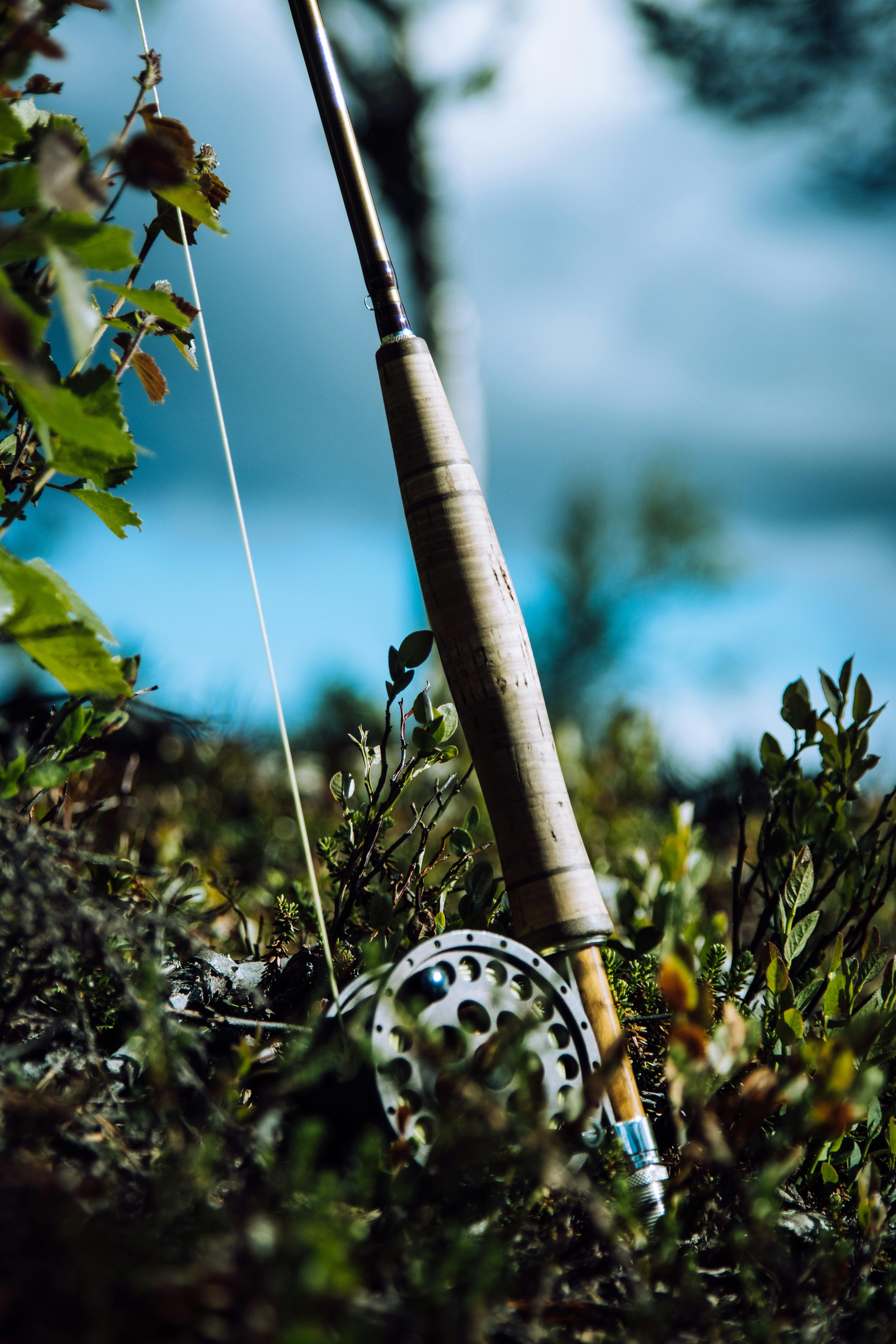
Rod weight describes the rod's power and determines the weight of line it's designed to cast. It's expressed as a number — 1 through 14 — where lower numbers are lighter and more delicate, higher numbers are heavier and more powerful.
The Case for a 5-Weight
For the vast majority of beginners, a 5-weight is the right answer. It's not a compromise — it's genuinely the most versatile freshwater rod weight ever designed. Here's why it works so well:
- Powerful enough to cast in wind and at distance
- Delicate enough for dry fly fishing with small flies
- Handles most freshwater species: trout, bass, yellowfish, panfish
- Widely available in every price range and style
- Easy to find lines, leaders, and accessories matched to it
If someone tells you a 5-weight is "boring" or "too generic," they're probably more interested in gear than fishing. The 5-weight catches fish everywhere.
When to Consider a Different Weight
A 5-weight is the right starting point for most people — but there are situations where a different weight makes more sense as your first rod:
4-weight: If you know you'll primarily fish small, tight mountain streams with short casts and small flies. The lighter weight gives a more delicate presentation and makes small fish feel more substantial. Less versatile than a 5-weight for anything beyond small stream fishing.
6-weight: If you plan to fish primarily stillwater, target larger species like bass, or live somewhere with consistently windy conditions. The extra power helps with distance casting and turning over bigger flies. Slightly less delicate for dry fly work than a 5-weight.
3-weight: Only if you're specifically drawn to ultra-light stream fishing. Beautiful to fish with in the right conditions, but limited in versatility. Not recommended as a first rod unless small-stream fishing is your exclusive focus.
8-weight: If saltwater fishing is your primary goal. An 8-weight handles most inshore saltwater species and doubles reasonably well for larger freshwater applications. Too powerful for most trout fishing.
Matching Rod Weight to Species
| Target Species | Recommended Weight |
|---|---|
| Small stream trout | 3–4 weight |
| General trout (rivers) | 5 weight |
| Yellowfish | 5–6 weight |
| Bass | 6–7 weight |
| Stillwater trout | 5–6 weight |
| Light saltwater (garrick, shad) | 8–9 weight |
| Heavy saltwater (GT, tarpon) | 10–12 weight |
Rod Length
Length is simpler than weight. Start with 9 feet. This is the standard for a very good reason — it handles the widest range of situations well.
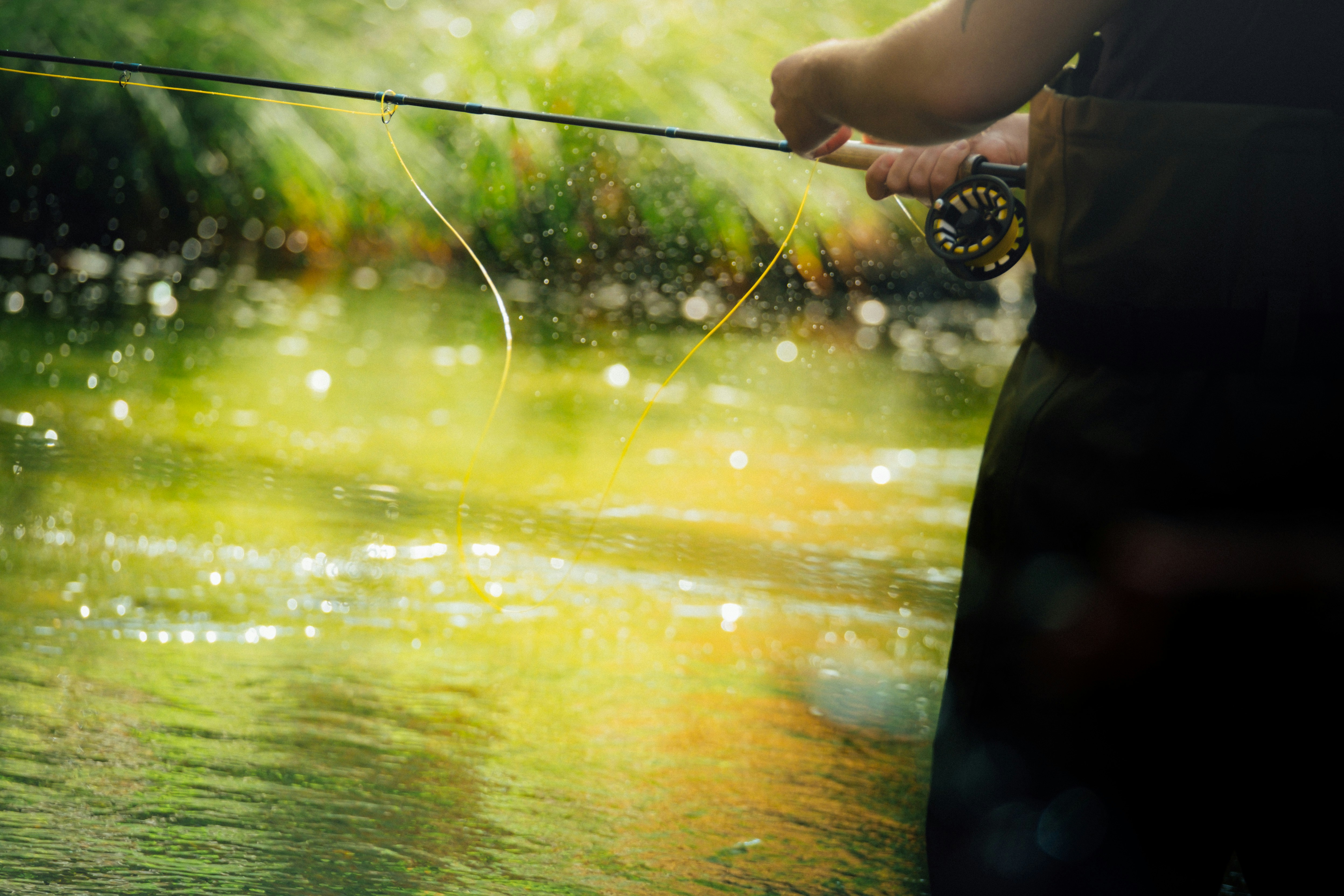
A 9-foot rod gives you:
- Enough reach to mend line effectively on larger rivers
- Good line control for nymphing
- Comfortable casting distance without excessive effort
- Versatility across river, stillwater, and most other environments
When Length Actually Matters
Length becomes relevant once you know what type of fishing you'll primarily be doing:
Shorter rods (7–8.5ft): Better for small, heavily wooded streams where a 9-foot rod constantly catches in bankside vegetation. Also preferred by some anglers for a more intimate, tactile fishing experience on small water. The trade-off is reduced reach and mending ability on larger water.
Longer rods (9.5–10ft): Better for Euro nymphing and indicator nymphing on larger rivers — the extra length keeps more line off the water and improves strike detection. Also useful for reaching over near-bank vegetation on wide rivers.
10–11ft specialist rods: Dedicated Euro nymphing rods. Not a first rod consideration, but worth knowing about when your technique develops.
For your first rod: 9 feet, full stop.
Rod Action
Action describes where the rod bends during the cast — and it has a real impact on how the rod feels and how forgiving it is for beginners.
Fast Action
The rod bends primarily in the top third. Crisp, powerful, accurate at distance. Loads quickly and recovers fast. The dominant style in modern fly rod design — most rods on the market today are fast or medium-fast action.
For beginners: fast action rods are less forgiving of timing errors. If you pause too long on the backcast or rush the forward cast, the rod penalises you more than a slower rod would. That said, most beginners learn on fast action rods without major problems — they're everywhere and they cast well once you develop decent timing.
Medium Action
Bends through the top half of the rod. More forgiving than fast action — the slower loading gives beginners more time to feel what the rod is doing and develop good timing. Excellent for dry fly fishing where delicate presentation matters more than distance.
For beginners: a medium or medium-fast action rod is generally more forgiving and easier to learn on than a true fast action. If you have the choice, lean toward medium-fast for your first rod.
Slow Action
Bends deep into the butt section. Very forgiving, excellent for short-range fishing and small flies, beautiful to cast at close range. Less common in modern rods — most contemporary "slow" rods are actually medium action by historical standards.
For beginners: slow action rods are rarely a good first choice. They don't perform well at distance and can feel sluggish for general use.
The Practical Advice
Don't overthink action. Most beginner and mid-range rods are medium-fast action — a good all-round choice. If you can cast a few rods before buying (more on this below), pay attention to which one feels most natural and forgiving. That's your rod.
Rod Materials
Graphite (Carbon Fibre)
The standard material for virtually all modern fly rods. Lightweight, strong, sensitive, and available at every price point. Unless you have a specific reason to choose otherwise, your first rod will be graphite. The vast majority of rods in this guide are graphite.
Fibreglass
Heavier than graphite, with a slower, more flexible action. Has experienced a significant revival in recent years among anglers who love its forgiving, tactile feel for small stream and dry fly fishing. Not as versatile as graphite for general use, but a genuinely enjoyable fishing experience in the right context. Fiberglass rods tend to be affordable and are worth exploring once you've got some experience.
Bamboo
Traditional split-cane rods, handcrafted from Tonkin bamboo. Beautiful objects with a devoted following. Slow action, heavy, require careful maintenance, and expensive for quality examples. A wonderful part of fly fishing heritage — but absolutely not a first rod. Come back to bamboo in a few years if the romance of it appeals to you.
How Much Should You Spend?
Here's a straightforward breakdown of what different price points actually get you:
Under $100
Functional but compromised. Rods at this price point are often poorly finished, with inconsistent action and cheap components (guides, reel seats, cork). They'll cast, but they make learning harder and are unlikely to last. Avoid if possible.
Exception: second-hand rods from reputable brands in this price range are excellent value. A used Sage or Orvis rod for $80 beats a new no-name rod at the same price every time.
$100–$200
The entry point for genuine quality. Rods from Redington, Echo, and similar brands at this price cast well, are properly finished, and will last years of regular use. Perfectly adequate for learning and beyond.
Best options: Redington Crosswater ($100), Echo Base ($110), Redington Path ($130)
$200–$350
A meaningful step up in feel, finish, and performance. These rods cast noticeably better than budget options — smoother loading, crisper stops, better sensitivity. If your budget allows, this range gives you a rod you'll still be fishing happily in five years.
Best options: Redington Vice ($200), Echo Carbon XL ($220), Sage Foundation ($250), Orvis Clearwater ($200)
$350–$600
Premium performance. The difference between this range and $200–$350 is real but smaller than the jump from budget to mid-range. Worth it if you're serious about the sport and want a rod that will last decades. Not necessary for a first rod.
Best options: Sage Igniter ($450), Scott Centric ($495), Orvis Recon ($498)
Over $600
High-end rods from Sage, Scott, Winston, and similar makers. Exceptional in every respect — but the marginal performance gain over a $400 rod is small. Buy here when you know exactly what you want and why. Not a first rod.
Combo Outfits vs Building Your Own Setup
Combo Outfits
A combo outfit bundles rod, reel, and fly line together — often at meaningfully better value than buying each component separately. For beginners, combos are an excellent choice because:
- Components are matched and balanced from the factory
- No risk of buying incompatible gear
- Often better value than equivalent individual components
- Simpler decision — one purchase covers the essentials
Recommended combos:
- Orvis Clearwater Outfit (~$250) — rod, reel, line, and backing. One of the most recommended beginner outfits available. Genuine quality at an accessible price.
- Redington Path Outfit (~$180) — slightly more affordable, very functional. A solid entry-level package.
- Echo Base Kit (~$150) — the most affordable quality combo available. Good for absolute beginners on a tight budget.
Building Your Own Setup
Buying rod, reel, and line separately gives you more control over each component and often results in a better overall setup at the same price — if you know what you're doing. For beginners, this approach adds complexity without much benefit. Once you've been fishing a year and understand what you want, building a custom setup makes more sense.
Specific Rod Recommendations by Budget
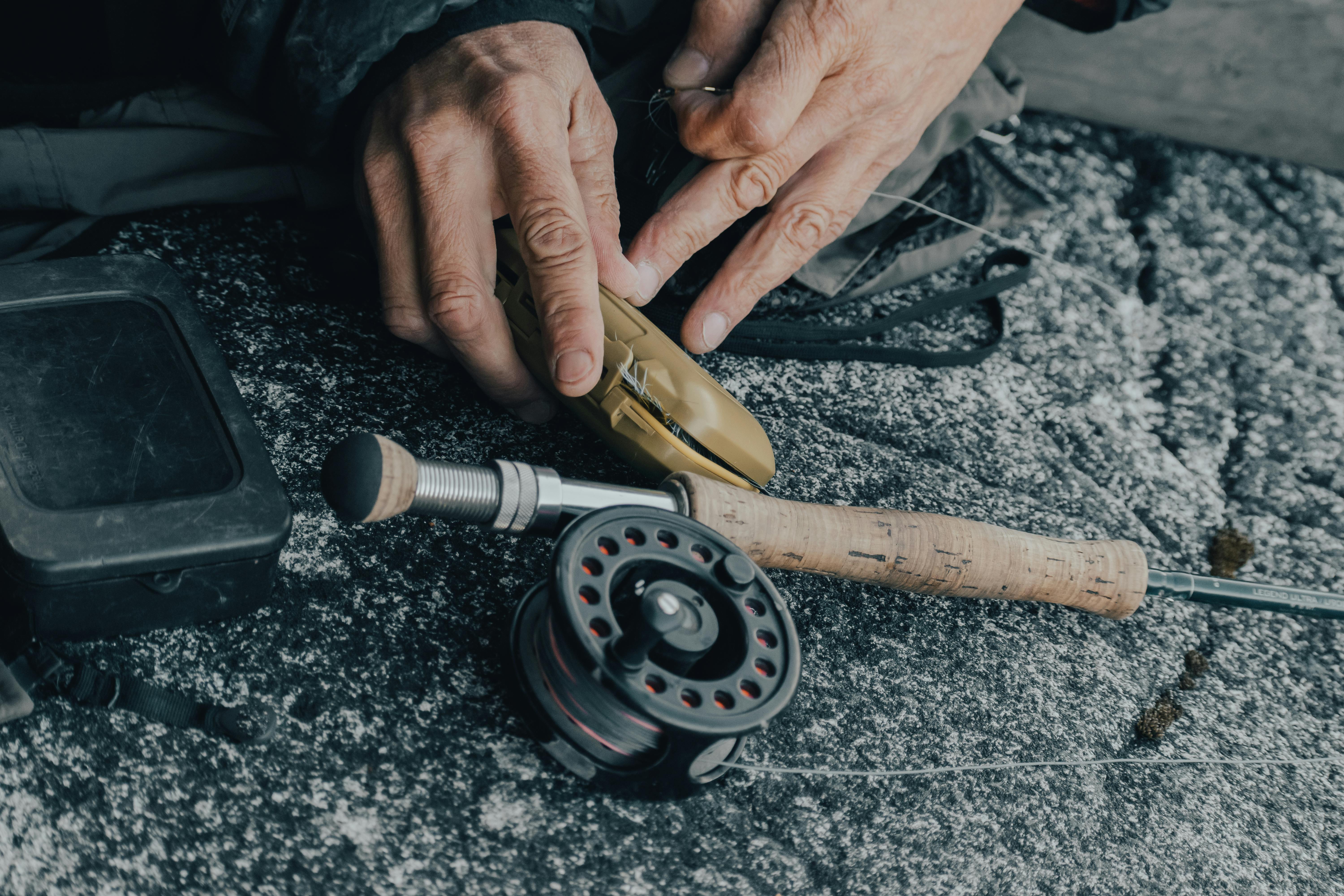
Best Budget Rod: Redington Crosswater (~$100)
A genuine workhorse at an entry-level price. Medium-fast action, good build quality for the price, and backed by Redington's warranty. The Crosswater has introduced more people to fly fishing than almost any other rod. It won't feel like a premium rod, but it casts accurately and won't hinder your development.
Best Mid-Range Rod: Orvis Clearwater (~$200)
The Clearwater is the most widely recommended beginner-to-intermediate rod on the market for good reason. It casts beautifully for its price, has a forgiving medium-fast action that suits beginners, excellent build quality, and Orvis's 25-year guarantee. If you can stretch to $200, this is where to spend it.
Best Step-Up Rod: Sage Foundation (~$250)
Sage is one of the most respected names in fly fishing, and the Foundation is their entry point — but it punches well above its price. Fast action, precise, and noticeably more refined than budget options. A rod you can grow into rather than out of.
Best Intermediate Rod: Redington Vice (~$200) or Echo Carbon XL (~$220)
Both offer premium performance at mid-range prices. The Vice has a particularly versatile medium-fast action that works well across a range of techniques. The Carbon XL is excellent for nymphing applications specifically.
What to Avoid
No-name cheap rods from online marketplaces. A $30 fly rod from an unknown brand will almost certainly have inconsistent action, poor guides, and a reel seat that loosens after a season. The savings aren't worth it.
Buying a rod that's too specialised as a first rod. A 2-weight small stream rod or a dedicated Euro nymphing rod before you've developed general skills is putting the cart before the horse. Start versatile.
Spending over $400 on your first rod. The performance gains at the top end are real, but they're wasted on a beginner. Invest in fishing trips, good fly line, and time on the water instead.
Buying based on brand prestige alone. Sage, Scott, and Winston make extraordinary rods — but a $700 rod doesn't make you a better fisherman than a $200 rod. Buy for performance at your level, not for the logo.
How to Test a Rod Before You Buy
Testing a rod before committing is always worthwhile. Here's how to do it well:
Visit a fly shop. Good fly shops will let you cast rods in the car park or on a nearby patch of grass. Take them up on it. Cast several rods at the same weight and length back-to-back — the differences in feel become obvious quickly.
Cast on grass, not just in the shop. The carpeted floor of a fly shop tells you very little about how a rod casts. Ask to take it outside and cast with actual fly line.
What to feel for:
- Does the rod load smoothly, or does it feel stiff and unresponsive?
- Can you feel where the rod is in the cast, or does it feel dead?
- Does the tip feel stable and crisp on the stop, or does it wobble?
- Does it feel comfortable in your hand for the duration of a cast?
Demo days. Many fly shops and fishing clubs run demo days where manufacturers bring rods for casting. These are excellent opportunities to cast a wide range of rods in a short time.
Buy from retailers with good return policies. If you can't test before buying, purchase from a retailer with a straightforward return policy. Orvis, in particular, has an excellent warranty and return process.
🎣 Track your progress from day one. Logging your early sessions — what you cast, what you caught, what conditions you fished — gives you a baseline to measure your improvement against. Start your free Flyloops logbook →
Frequently Asked Questions
What is the best fly rod for an absolute beginner? The Orvis Clearwater 9ft 5-weight is the most widely recommended first rod. At around $200 it offers genuine quality, a forgiving medium-fast action, excellent build, and Orvis's 25-year guarantee. If budget is a concern, the Redington Crosswater at $100 is a solid alternative.
Is a 5-weight fly rod good for beginners? Yes — it's the best starting point for most beginners. A 5-weight handles the majority of freshwater situations well, is forgiving to learn on, and is available at every price point. Most experienced fly anglers still fish a 5-weight regularly regardless of what else they own.
What length fly rod should a beginner get? 9 feet. It's the standard length for good reason — versatile across almost all fishing situations, good for mending and line control, and available in the widest range of weights and price points.
Can I use a cheap fly rod to learn on? A very cheap rod (under $50 from an unknown brand) will hinder your casting development and is likely to fail quickly. A budget rod from a reputable brand ($80–$130) is a much better choice — it will cast properly and last long enough to decide whether fly fishing is for you.
How long will a mid-range fly rod last? A well-made rod from a reputable brand, properly cared for, should last many years — often decades. Most damage happens from being shut in car doors, stood on, or broken during transport rather than from actual fishing use. Store your rod in its tube when not in use and it will last a very long time.
Should I buy a fly rod online or from a fly shop? From a fly shop if possible — you can cast it first and get advice tailored to your local fishing. Online is fine if you've already cast the rod or are buying a well-reviewed model from a brand you trust. The ability to return easily if it's not right is important when buying online.
What's the difference between a fast and medium action rod for beginners? A medium or medium-fast action rod is more forgiving — it loads more slowly, giving beginners more time to feel the cast and develop good timing. A fast action rod is less forgiving of timing errors but casts more crisply and is better at distance. Most beginners do fine on either, but if you have the choice, lean toward medium-fast for your first rod.
Do I need a different rod for different species? Not immediately. A 9ft 5-weight handles trout, yellowfish, panfish, and light bass fishing well. As your fishing expands — saltwater, large stillwater, small mountain streams — additional rod weights become worthwhile. But one versatile rod will cover a lot of ground for a long time.
Got your rod sorted and ready to start fishing? Log your sessions on Flyloops and track your progress from your very first cast — free on web, iOS, and Android.