Mastering Fly Fishing: How to Read the Weather for Success
As an experienced fly fishing writer and instructor, I can't overstate the importance of understanding weather patterns and their impact on your time on the water. Paying close attention to the weather is a critical skill that can mean the difference between a banner day of fly fishing and coming up empty-handed. In this comprehensive guide, we'll explore the best weather conditions for fly fishing success and how to read the signs to time your outings for maximum productivity.
The Optimal Temperature Range
The ideal temperature range for fly fishing will vary depending on your target species and location, but as a general rule, aim for water temperatures between 50-70°F (10-21°C). This temperature sweet spot triggers increased feeding activity in most game fish, from trout and bass to bonefish and permit.
- For trout, the best temperatures typically fall between 55-65°F (13-18°C). Temperatures outside this range can cause trout to become lethargic and less likely to strike your fly.
- When targeting warmwater species like bass and panfish, look for water temps in the 65-75°F (18-24°C) range. These fish become more active and aggressive as the water warms up.
- In tropical saltwater fisheries, the ideal range is usually 75-85°F (24-29°C). Bonefish, permit, and other flats species thrive in these warmer waters.
The Importance of Cloud Cover
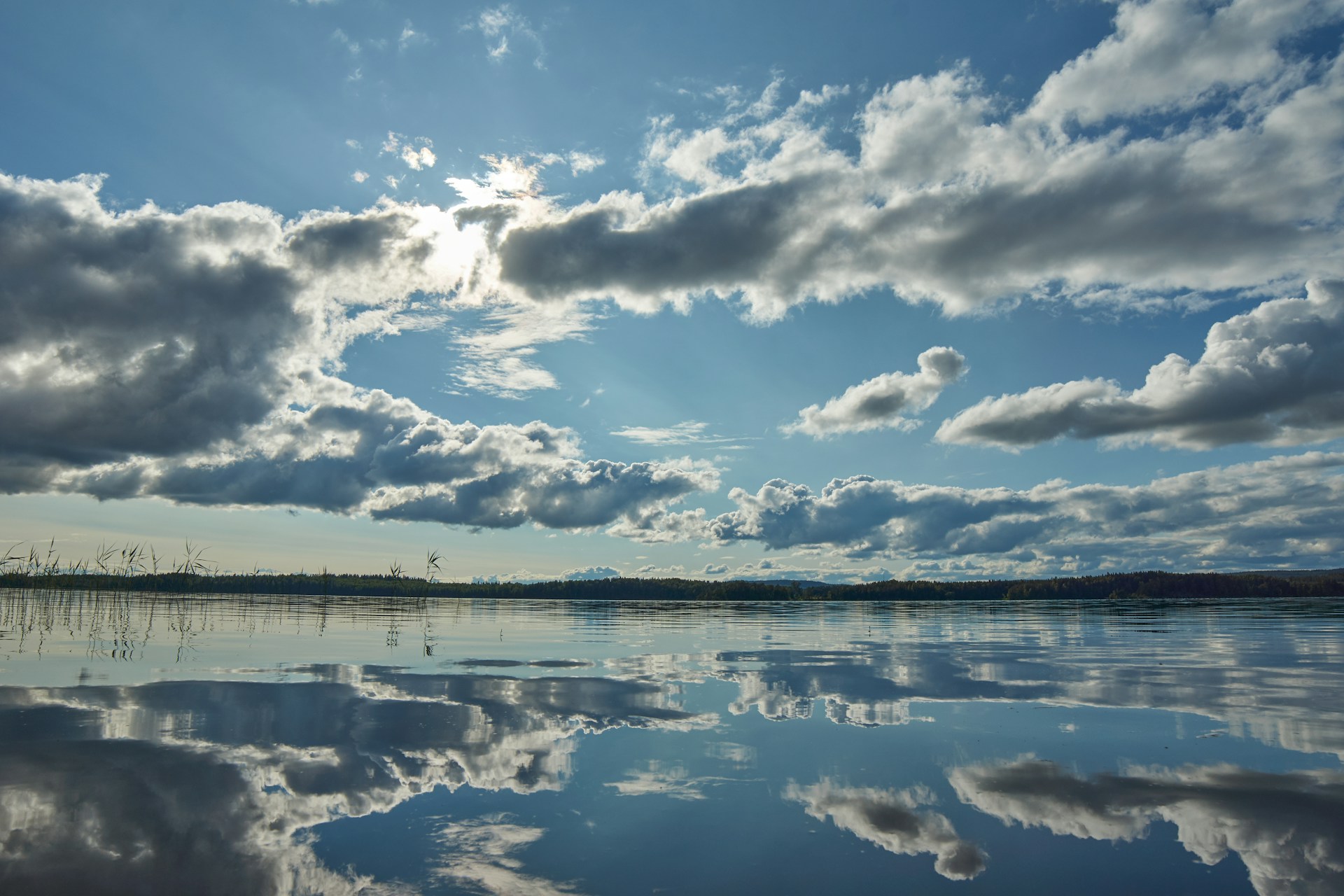
Along with water temperature, cloud cover is another critical weather factor to consider. Overcast skies tend to produce the best fly fishing conditions, as they create softer, more diffused lighting that is less likely to spook wary fish.
- Sunny, bluebird days can make fish more skittish and less likely to aggressively strike your fly. The bright, direct sunlight penetrates deep into the water column, making fish more cautious.
- Fully overcast or lightly drizzling conditions are often prime time, as the subdued light encourages fish to feed more actively near the surface.
- Heavily overcast or stormy weather can also be productive, as the reduced light and associated drop in barometric pressure triggers instinctive feeding behaviors in many species.
Reading the Wind
Wind is another weather factor that can significantly impact your fly fishing success. Moderate, consistent winds are ideal, as they create natural currents and ripples on the water's surface that can camouflage your fly and leader.
- Light, variable winds below 5 mph (8 km/h) often result in glass-like, challenging conditions that make it difficult to present your fly effectively.
- Gusty, erratic winds above 15 mph (24 km/h) can make it challenging to control your line and present delicate dry flies or nymphs.
- The sweet spot is usually winds in the 5-15 mph (8-24 km/h) range, which provide just enough surface disturbance to help conceal your presentation.
Putting it All Together
By understanding the optimal temperature ranges, cloud cover conditions, and wind speeds for your target species and fishery, you can dramatically improve your chances of fly fishing success. Pay close attention to the weather forecast leading up to your outings, and don't be afraid to adjust your plans based on the evolving conditions. With practice, you'll develop a keen eye for reading the weather and timing your fly fishing adventures for maximum productivity. Remember to log your catches with the Flyloops app to track your progress and identify the weather patterns that work best for you.